







Understanding the Elders Insurance Claim Form
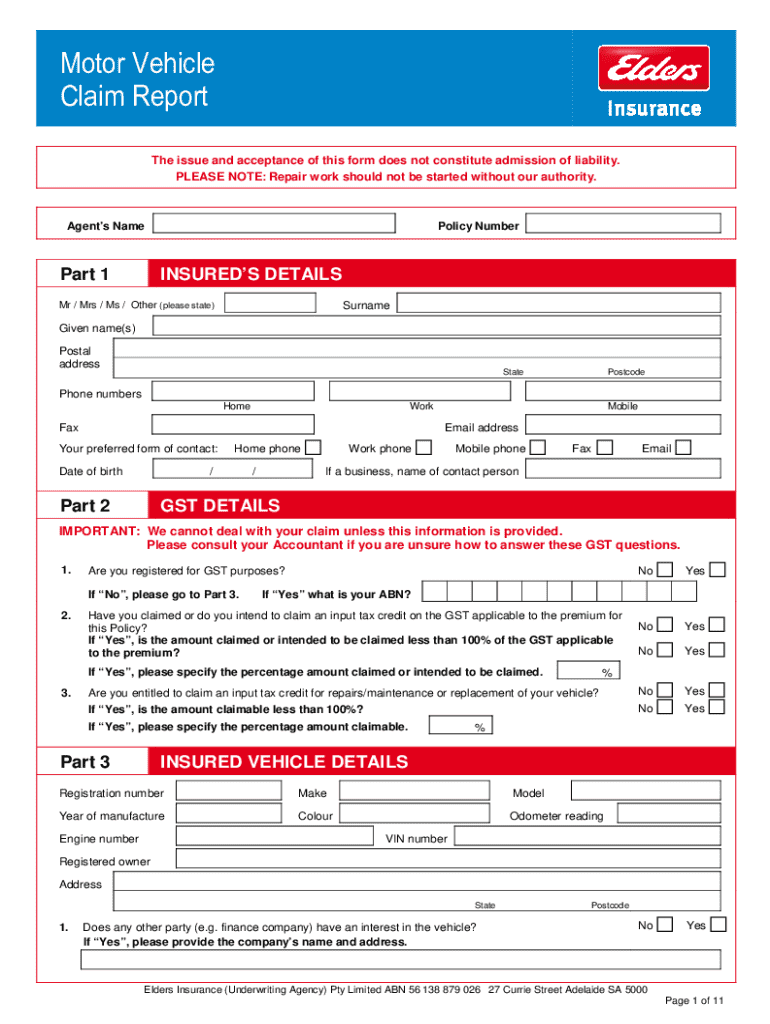
The elders insurance claim form is a specific document used to initiate a claim for benefits related to insurance policies aimed at older adults. This form serves as a crucial tool in helping policyholders articulate the details of their claim, ensuring that all necessary information is submitted for processing.
Key Information Required in the Form
When filling out the elders insurance claim form, it is essential to provide accurate and comprehensive information. This typically includes:
- Policyholder Information: Name, address, and contact details of the policyholder.
- Claim Details: Specific information regarding the incident or loss, including dates, descriptions, and circumstances.
- Beneficiary Information: Details about the individuals designated to receive insurance benefits.
Completing this section thoughtfully helps prevent delays in the claims process and ensures that the claim is processed based on the correct facts and context.
Steps to Complete the Elders Insurance Claim Form
Completing the elders insurance claim form involves several key steps:
- Gather Required Documentation: Collect all necessary papers, such as police reports, medical records, or repair estimates related to the claim.
- Fill Out the Form Accurately: Input all requested information clearly and completely. Ensure that all data matches the documents you are submitting.
- Review the Information: Double-check for any errors or omissions that could hinder the processing of the claim.
- Submit the Form: Choose an appropriate method for submission—this may include online, mail, or fax, depending on the insurance provider's policies.
Taking careful steps throughout this process can significantly enhance the efficiency of your insurance claim.
Important Terms Related to the Elders Insurance Claim Form
Familiarity with key terms associated with the elders insurance claim form can aid in navigating the claims process:
- Claim Number: A unique identifier assigned to your claim for tracking purposes.
- Deductible: The amount the policyholder is responsible for paying out of pocket before insurance coverage begins.
- Exclusion: Specific items or circumstances that are not covered under the insurance policy.
Understanding these terms can help clarify your rights and responsibilities as a policyholder.
Common Pitfalls When Completing the Form
There are several common mistakes that claimants should avoid while filling out the elders insurance claim form:
- Incomplete Information: Leaving sections blank can lead to delays or rejection of your claim.
- Inaccurate Dates: Always ensure dates are correctly recorded to avoid discrepancies.
- Failure to Attach Supporting Documents: Not including necessary attachments can impede the claims process.
Awareness of these pitfalls can help ensure that your submission is as complete and accurate as possible.
Legal Considerations
When submitting the elders insurance claim form, it is important to be aware of the legal ramifications:
- Fraudulent Claims: Submitting false information can lead to severe penalties, including the cancellation of your policy and potential criminal charges.
- Statute of Limitations: There are time limits within which a claim must be submitted. Failing to meet these deadlines may prevent you from receiving benefits.
Legal knowledge related to your claim can safeguard you against unintended consequences and help ensure that your rights are maintained.
Frequently Asked Questions (FAQs)
What should I do if my claim is denied?
If your claim is denied, review the denial letter for specific reasons. You can typically appeal the decision by providing additional information or addressing the concerns outlined in the letter.
How long does the claims process take?
The time required to process an elders insurance claim can vary widely based on the complexity of the claim and the insurer's policies. Typically, it ranges from a few days to several weeks.
Can I modify the form after submission?
Once submitted, modifications may not be permissible. If changes are necessary, it is best to contact your insurance provider for guidance on how to proceed.
Having a comprehensive understanding of these critical areas can greatly aid in smoothly navigating the elders insurance claim process, enhancing the likelihood of a successful outcome.




