




01. Edit your form online
Type text, add images, blackout confidential details, add comments, highlights and more.

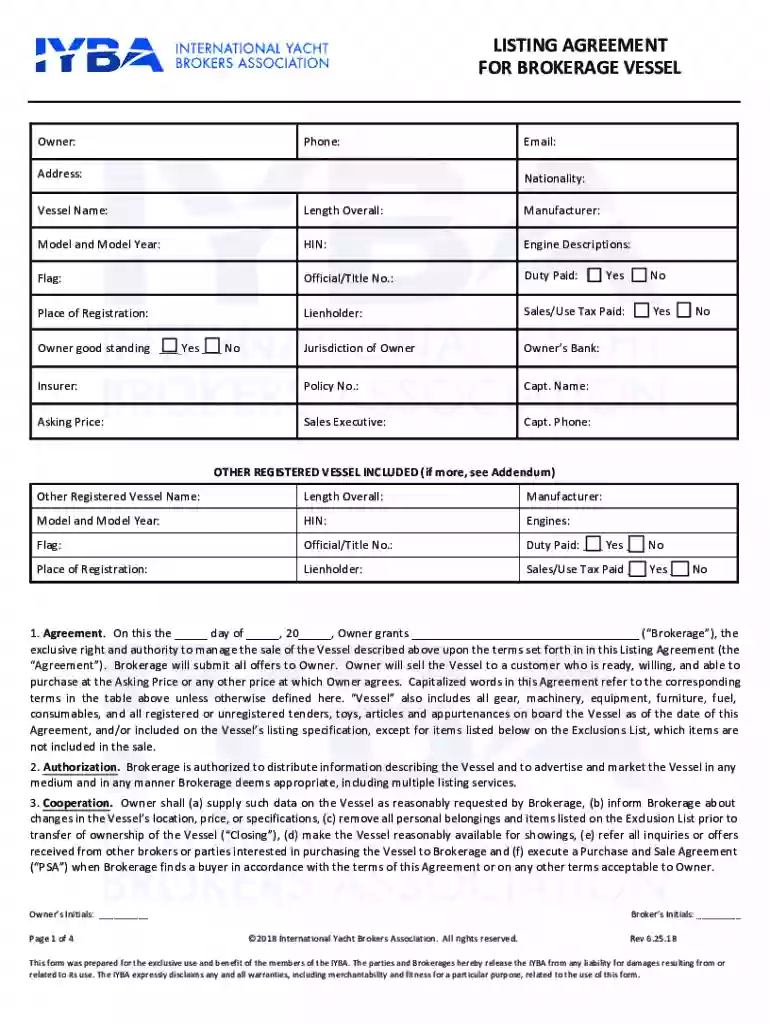
Type text, add images, blackout confidential details, add comments, highlights and more.

Draw your signature, type it, upload its image, or use your mobile device as a signature pad.

Send it via email, link, or fax. You can also download it, export it or print it out.
A Listing Agreement for Brokerage Vessel is a formal contract between an owner and a brokerage firm, granting the brokerage the exclusive rights to manage the sale of a vessel. This agreement outlines the terms under which the brokerage operates, including marketing and selling the vessel. It includes important details like the vessel's specifications, commission rates, and the responsibilities each party must fulfill to ensure a successful transaction. Understanding this document is crucial for both the vessel owner and the brokerage to prevent misunderstandings and disputes related to the sale process.
Utilizing the Listing Agreement for Brokerage Vessel involves a series of well-defined steps to be completed jointly by the vessel owner and the brokerage. Initially, both parties must review and agree on the terms detailed in the contract. The owner should provide accurate information about the vessel and agree on the commission structure and sales strategy. Next, the brokerage will execute its responsibilities, such as advertising and conducting viewings. Throughout the process, regular communication must be maintained to address any concerns or updates regarding the potential sale.
The agreement serves a critical legal function by clearly defining the contractual obligations and rights of both the vessel owner and the brokerage. This transparency helps in mitigating risks of non-compliance or disputes. Adhering to the terms of the agreement ensures all operations related to the sale adhere to legal standards and helps protect both parties in the event of a disagreement. Any breach of the contract can result in legal actions based on the dispute resolution clauses.
Typically, this agreement is used by vessel owners looking to sell their yachts, sailboats, or other types of watercraft. It is especially common in the marine industry, where professional brokerages are engaged to utilize their market knowledge and networks. Brokerages, in turn, need this agreement to ensure they operate within legally defined parameters and to secure their commission for services rendered. Owners benefit from the brokerage's expertise and the formal assurance that their vessel will be actively marketed to potential buyers.


At DocHub, your data security is our priority. We follow HIPAA, SOC2, GDPR, and other standards, so you can work on your documents with confidence.
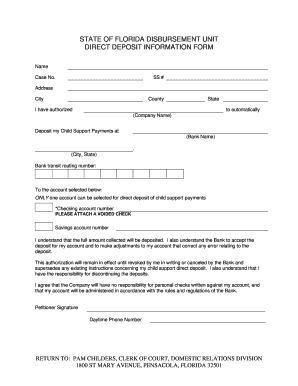

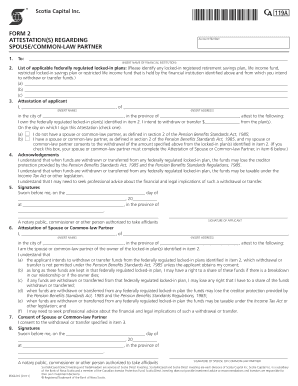
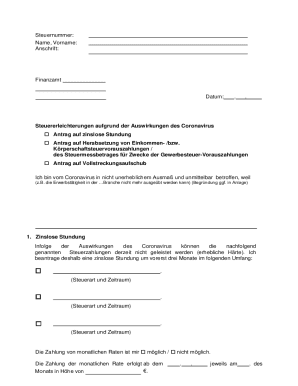
by F FORWARDERS Freight Forwarders, Brokerage, and Shipping Conference Agreements: BROKERAGE, AND SHIPPING CONFERENCE AGREEMENTS: An agreement establishing uniform conference
The listing agreement/contract and any amendments authorize Broker A to enter into co-brokerage agreement with other Brokers to facilitate the sale of the


