







Definition & Meaning
Outgroup favoritism refers to the psychological phenomenon where individuals show preference or support for members of a different group over those in their own group. This can occur in various social contexts, where members of marginalized or disadvantaged communities may uphold or defend the status quo even if it conflicts with their personal or group's interests.
How to Use Outgroup Favoritism in Experimental Settings
To examine outgroup favoritism in experimental research, it is crucial to design studies that accurately capture the conditions under which this phenomenon occurs. Researchers often employ surveys and vignettes to assess attitudes and preferences, ensuring that real-life scenarios are mirrored as closely as possible. Behavioral observation and controlled experiments can also provide insights into how and why individuals exhibit outgroup favoritism, aiding in the discovery of underlying psychological mechanisms.
Steps to Complete an Analysis on Outgroup Favoritism
-
Literature Review: Begin by reviewing existing literature on social identity and group dynamics. Identify key theories and past research findings on outgroup favoritism.
-
Hypothesis Development: Formulate a clear hypothesis based on gaps or unexplored areas in the existing literature.
-
Research Design: Choose a methodological approach, whether qualitative or quantitative, that best suits your research objectives.
-
Subject Recruitment: Identify and recruit participants that meet the criteria necessary for your study. Ensure that the diversity of groups is accounted for to observe genuine outgroup interactions.
-
Data Collection: Use surveys, interviews, or observations to collect data. Ensure that questions are unbiased and inclusive to obtain genuine responses.
-
Data Analysis: Employ statistical or thematic analysis techniques to interpret your data, looking for patterns and correlations that support or refute your hypothesis.
-
Conclusions & Implications: Write a detailed report summarizing your findings, discussing the implications and how they contribute to the understanding of outgroup favoritism.
Why Outgroup Favoritism Occurs
The occurrence of outgroup favoritism can be attributed to several factors, such as:
-
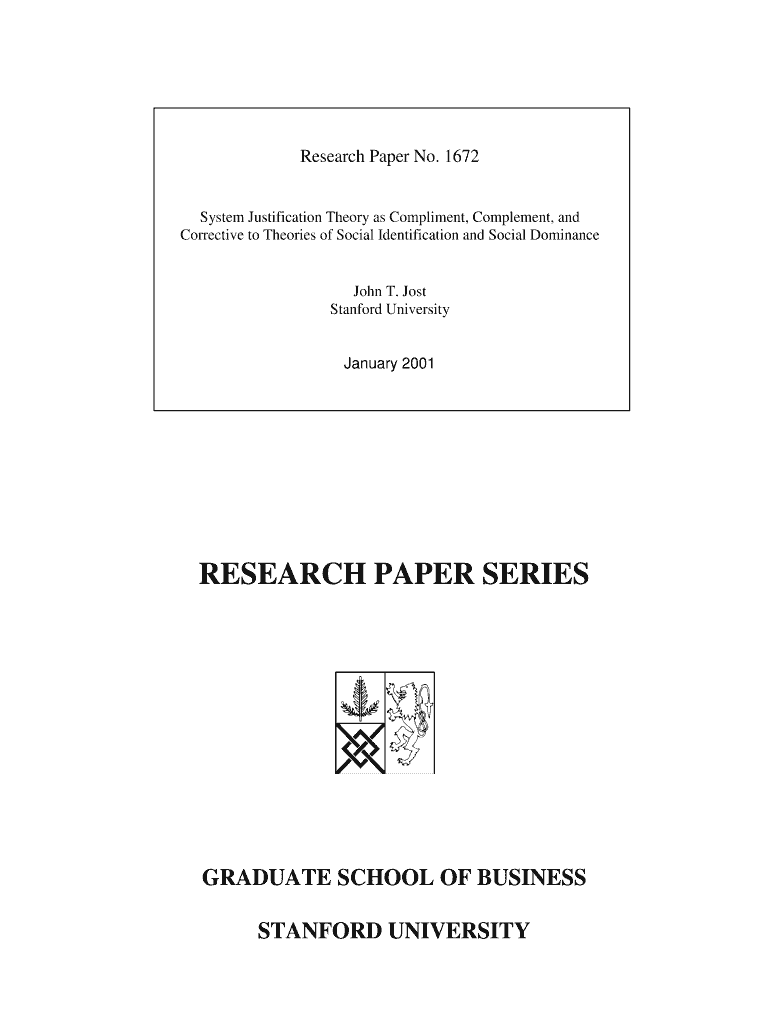
System Justification Theory: Proposed by John T. Jost, this theory suggests that individuals are motivated to defend and justify the status quo, ensuring stability even if it is detrimental to their group.
-
Social Identity Theory: Describes how individuals derive part of their identity from their group memberships, affecting their preferences and prejudices against other groups.
-
Cognitive Dissonance: The discomfort experienced when holding conflicting beliefs may lead individuals to favor outgroups to reduce this dissonance.
Who Typically Exhibits Outgroup Favoritism
Research indicates that outgroup favoritism is particularly prevalent among individuals from lower social or economic backgrounds. These individuals might perceive aligning with dominant groups as beneficial for social mobility or acceptance. Additionally, those with a high need for approval might display this behavior to adhere to perceived social norms or authority figures.
Legal Implications of Outgroup Favoritism
Understanding outgroup favoritism has significant legal implications, particularly in fields like employment law and policy-making. Recognizing this phenomenon assists in crafting fair policies that aim at reducing bias in legal decisions and workplace dynamics. It also prompts institutions to re-evaluate diversity and inclusion initiatives, ensuring they are truly beneficial to all groups involved.
Key Elements for Recognizing Outgroup Favoritism
-
Behavioral Indicators: Look for signs of individuals supporting policies or norms that benefit other groups over their own.
-
Expression in Social Policies: Scrutinize how holding certain attitudes or supporting specific societal structures further entrench systems benefitting outgroups.
-
Influence of Authority: Consider the role that figures of authority play in influencing individuals from disadvantaged backgrounds to favor outgroups.
Examples of Outgroup Favoritism Scenarios
-
Workplace Scenarios: Employees from underrepresented backgrounds supporting organizational policies that predominantly benefit other demographic groups.
-
Political Contexts: Voters from low-income communities supporting political candidates or parties that traditionally do not align with their economic interests but promise stability or change they wish to see on a broader societal level.
-
Educational Environments: Students defending educational policies or curricula that perpetuate certain cultural narratives not representative of their own.
By systematically exploring these sections, readers are provided with a comprehensive understanding of outgroup favoritism, its dynamics, and its implications in various societal structures.




