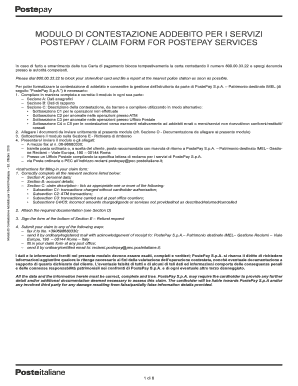
Definition & Meaning
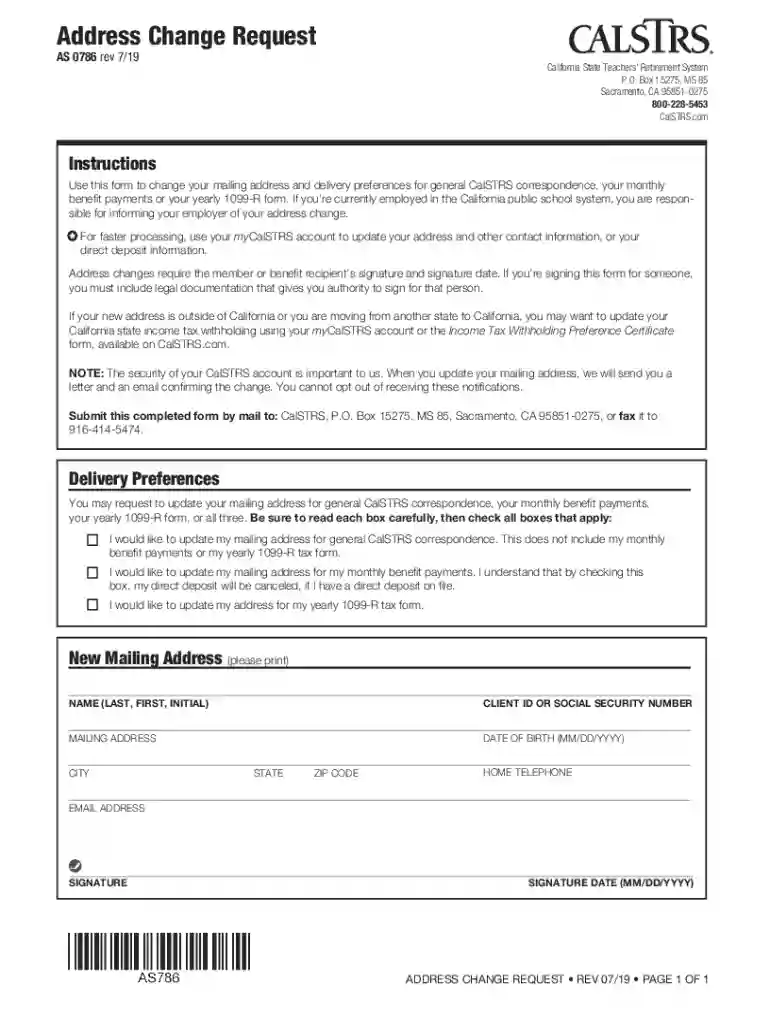
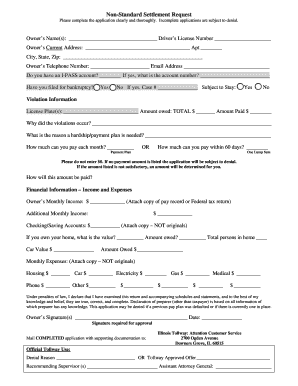
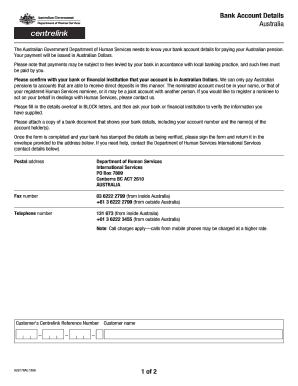
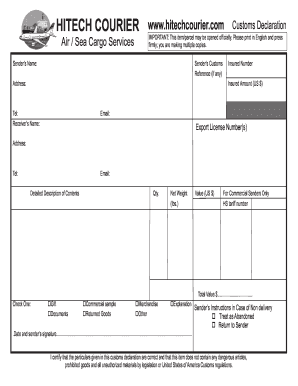
The term "form online" refers to any document or template that can be created, edited, and submitted via the internet. This broad category encompasses a wide range of purposes, such as tax forms, legal documents, applications, and surveys. Online forms are designed to facilitate data collection, streamline workflows, and improve accessibility. Unlike traditional paper forms, these can be completed from any internet-enabled device, ensuring convenience for users who may need to submit information from various locations.
Variations of Online Forms
- Static forms: Standard templates requiring no input except for filling out fields.
- Interactive forms: Allow for dynamic inputs with conditional logic, providing an adaptive experience based on previous responses.
- Fillable PDFs: Digital forms mimicking paper-based formats with fields that users can complete electronically.
How to Use the Form Online
Using an online form involves a series of easy-to-follow steps designed to ensure data is correctly entered and submitted. The process is streamlined compared to traditional methods, reducing errors and eliminating the need for physical documentation.
Detailed Steps
- Access the form: Visit the host website or platform where the form is available and open it in your browser.
- Fill out information: Input required data into designated fields, ensuring accuracy and completeness.
- Attach necessary documents: If the form requires additional documents, upload these files from your computer or cloud storage.
- Review before submission: Double-check all entries to confirm their correctness before finalizing.
- Submit the form: Send the completed form using the provided submission button or link.
Subsections for Specific Users
- For Individual Users: Steps may include instructions on creating accounts or accessing personal data saved in the system.
- For Organizations: Additional steps might involve internal approvals or specific information related to business needs.
Steps to Complete the Form Online
Completing an online form typically follows a structured pathway that involves identifying relevant fields, entering data, and ensuring all necessary components are included.
Detailed Procedure
- Open the form: Using your preferred web browser, navigate to the form's URL.
- Identify required fields: Each field marked as mandatory should be completed to proceed.
- Provide accurate information: Enter text, select options from dropdown menus, and tick checkboxes as necessary.
- Add digital signatures: Use tools like DocHub to affix legally-binding e-signatures directly to the form.
- Validation check: Confirm that all fields meet necessary conditions, such as character limits and correct formats (e.g., dates, numbers).
- Submit: Finalize the entry by submitting it through the interface.
Important Terms Related to Form Online
Understanding key terminology linked to online forms ensures clarity and precision in their usage. Here are some important terms:
- Encryption: The process of encoding data to prevent unauthorized access.
- Authentication: Protocols used to verify the identity of a user accessing the form.
- Interactive Fields: Sections of the form that adapt or change based on user input.
- Responsive Design: A form layout that adjusts seamlessly to different screen sizes, enhancing usability on mobile devices.
- Submission Confirmation: A notification or message indicating successful form submission.
Legal Use of the Form Online
Online forms often carry legal weight, facilitating activities such as contract signing and official applications. Platforms like DocHub ensure compliance with appropriate legal standards.
Legal Considerations
- Legally Binding Signatures: E-signatures collected through compliant platforms are enforceable under laws such as the ESIGN Act.
- Data Privacy: Forms must adhere to data protection regulations, ensuring user data is secure and confidential.
- Terms of Use: Users should be aware of any legal terms regarding the submission and use of data within the form.
Key Elements of the Form Online
Key elements define the structure and functionality of online forms, contributing to their effectiveness in data collection and user interaction.
Core Components
- Form Fields: Designated areas for input, which can vary from text and numbers to signatures and uploads.
- Instructions: Guidelines for users on how to complete the form correctly.
- Validation Features: Built-in checks to verify data accuracy and completeness.
- Submission Tools: Button or link options facilitating direct form submission.
Enhancements for Better Utility
- Conditional Logic: Modifies form behavior based on user responses, streamlining complex data collection.
- Real-Time Feedback: Immediate notifications about errors or missing information, allowing users to correct entries promptly.
Examples of Using the Form Online
Online forms serve diverse purposes across various fields, providing a versatile tool for individuals, businesses, and institutions.
Practical Applications
- Tax Returns: Forms like the IRS 1040 employed for annual tax filings.
- Job Applications: Corporate forms for soliciting and reviewing candidacies.
- Permit Requests: Local government permits available for submission by city residents.
Case Studies
- Employee Onboarding: Companies adopting online forms to streamline new-hire documentation processes.
- Educational Enrollment: Schools implementing digital admission forms for prospective students.
Software Compatibility
Ensuring software compatibility widens the accessibility and ease of use for online forms. DocHub integrates with numerous tools to enhance user experience.
Compatible Software Solutions
- Google Workspace: Supports collaborative form use through integrations with Google Drive and Gmail.
- Cloud Platforms: Compatibility with Dropbox and OneDrive facilitates direct uploads and document management.
- Tax Software: Integration with financial tools like TurboTax simplifies form submissions related to tax matters.
Form Submission Methods (Online / Mail / In-Person)
Though predominantly conducted online, form submissions may also be accommodated through alternative methods to ensure accessibility for all users.
Submission Avenues
- Online Submission: Direct upload via the hosting website or form platform.
- Mail: Hard copy submissions posted to designated mailing addresses.
- In-Person: Physical drop-off at offices or centers for those requiring or preferring face-to-face interactions.
Choosing the Right Method
- Accessibility: Consider user access to internet services or personal preferences for online versus offline submission.
- Urgency: Determine the speed of processing and delivery required for timely submission.