






Definition and Meaning of Publication 16 (Rev 8-2023)
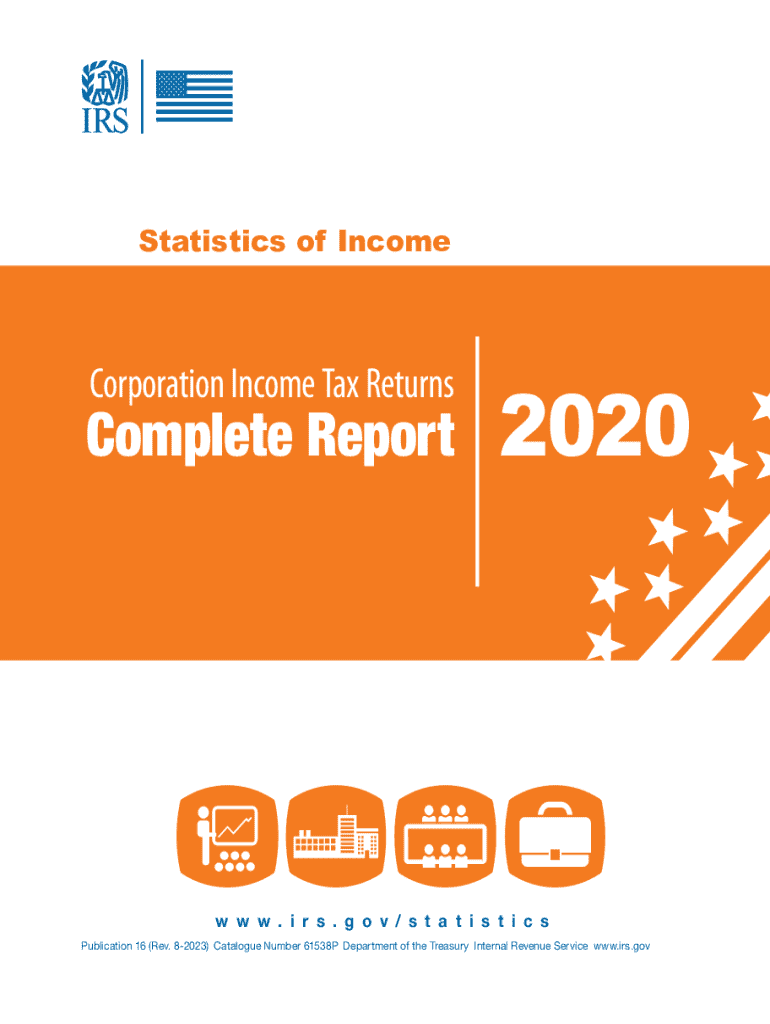
Publication 16 (Rev 8-2023) serves as a comprehensive guide published by the Department of the Treasury. This document provides detailed instructions and information pertaining to corporation income tax returns, specifically tailored for the United States context. As a crucial resource, it aids corporations in accurately reporting their income, ensuring compliance with federal tax regulations.
Obtaining Publication 16 (Rev 8-2023)
To access Publication 16 (Rev 8-2023), corporations can visit the official website of the Internal Revenue Service (IRS). This publication is available for download in various formats, including PDF, allowing businesses to choose the most suitable option for their needs. Additionally, taxpayers may request a physical copy through the IRS distribution center.
Key Elements of Publication 16 (Rev 8-2023)
The document outlines several critical components necessary for accurately filing corporation income tax returns:
- Form Instructions: Detailed guidelines on filling out required forms and schedules
- Tax Rates: Current tax rates applicable to various types of corporations
- Deductions and Credits: Information on eligible deductions and credits to reduce taxable income
- Recordkeeping: Best practices for maintaining accurate financial records
- Filing Procedures: Steps to submission, whether electronically or via mail
By comprehending these key elements, corporations can ensure full compliance with tax laws.
Steps to Complete Publication 16 (Rev 8-2023)
Completing Publication 16 (Rev 8-2023) involves several steps:
- Gather Necessary Documents: Collect financial reports, prior tax returns, and supporting documents.
- Review Form Instructions: Study the document’s detailed instructions to understand filing requirements.
- Calculate Taxable Income: Deduct eligible expenses from gross receipts to determine taxable income.
- Complete Relevant Forms: Fill out applicable sections accurately, using information gathered.
- Double-Check Entries: Review all entries for accuracy to prevent errors during submission.
- Submit the Return: File the completed forms via mail or the IRS electronic filing system.
Following this process ensures precise and compliant tax reporting.
Legal Use and Compliance
Publication 16 directly aligns with federal legal standards for corporation tax reporting. Utilizing the document ensures corporations comply with the requirements of the IRS and adhere to lawful tax practices. Compliance is crucial to avoid penalties and audits by tax authorities.
Penalties for Non-Compliance
Failure to accurately complete or submit Publication 16 can lead to significant financial penalties. These may include fines, interest on unpaid taxes, or audits by the IRS. Corporations are obligated to ensure all forms are filed correctly and by stipulated deadlines to avoid these repercussions.
IRS Guidelines and Filing Deadlines
Filing deadlines stipulated by the IRS for corporation income tax returns are mandatory. Typically, corporate tax returns must be filed by the 15th day of the fourth month after the end of the corporation’s fiscal year. Any deviations from this timeline could result in penalties or additional scrutiny from tax authorities.
Examples of Using Publication 16 (Rev 8-2023)
Several practical scenarios illustrate how corporations use this publication:
- New Businesses: For accurate first-time tax filing
- Established Corporations: To integrate recent legislative changes
- Multi-State Entities: Address state-specific tax considerations
Utilizing these examples aids in understanding the publication’s application across diverse business contexts.
Taxpayer Scenarios and Application
Publication 16 caters to a wide range of taxpayer scenarios, including:
- LLCs: Limited liability companies leveraging deductions
- Corporations: Ensuring adherence to the latest tax provisions
- Partnerships: Understanding complex tax liabilities
The document is designed to accommodate various business structures, providing clarity across different tax obligations.


Comparison: Digital vs. Paper Version
The IRS offers Publication 16 in both digital and paper formats, each with unique benefits:
- Digital Version: Accessible, easily searchable, and environmentally friendly
- Paper Version: Tangible form for those who prefer traditional reading materials
Choosing between these formats depends on corporate preferences and operational needs.
Software Compatibility and Integration
Publication 16 supports integration with popular tax preparation software, including TurboTax and QuickBooks. These tools assist in simplifying the calculation and filing process by automating data entry and ensuring accurate adherence to the guide’s instructions.
By navigating and utilizing Publication 16 effectively, corporations can optimize their income tax reporting, ensuring compliance with federal tax laws and regulations.