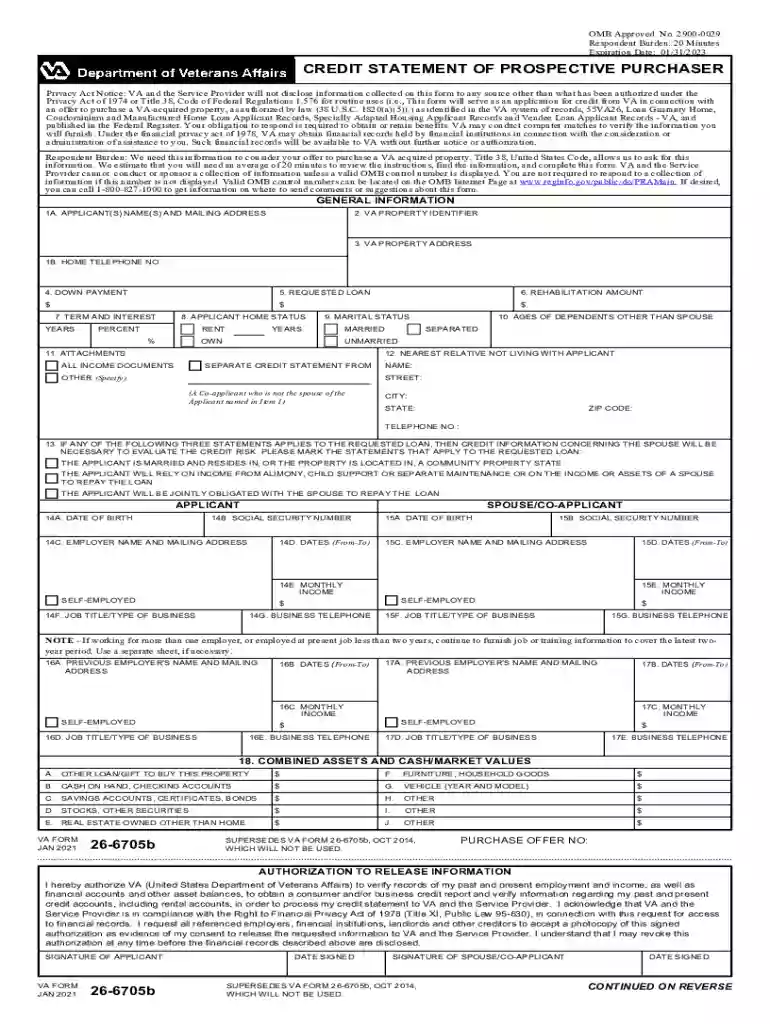
Definition and Meaning of the NOTICE TO BENEFICIARY/CLAIMANT
The "NOTICE TO BENEFICIARY/CLAIMANT REGARDING THE INFORMATION" is a formal document typically used in financial and legal contexts to provide important information to individuals named as beneficiaries or claimants. This notice serves to inform stakeholders about specific entitlements, rights, obligations, or other pertinent information related to their status or claims.
Key Purposes
- Informing Beneficiaries: Communicates essential details regarding claims or benefits that are due.
- Clarifying Entitlements: Outlines specific rights and benefits beneficiaries can expect.
- Providing Instructions: May include detailed steps beneficiaries should follow to claim benefits or address discrepancies.
Common Usage
- In estate proceedings where the document notifies heirs about their inheritance.
- In insurance claims, alerting claimants about pending or approved payouts.
- In legal settlements, informing parties about the settlement details and their terms.
Typical Users
- Estate Executors and Trustees: Use this document to notify heirs and beneficiaries about their inheritance.
- Insurance Companies: Issue notices to inform claimants about the status of their claims.
- Legal Professionals: Lawyers and legal firms utilize it to communicate settlement details to clients.
- Government Agencies: Often employ this form to convey rights or benefits in various programs.
Key Elements Included in the NOTICE TO BENEFICIARY/CLAIMANT
To ensure the document fulfills its purpose effectively, certain critical components are included.
Core Components
- Beneficiary/Claimant Details: Full name and contact information of intended recipients.
- Description of Information: A precise explanation of the benefits or claims involved.
- Instructions for Action: Step-by-step guidelines on how to proceed with benefit claims.
- Deadline Information: Important dates for responding or take necessary actions, if applicable.
- Contact Information: Details on where to direct queries or requests for further information.
Legal Use of the NOTICE TO BENEFICIARY/CLAIMANT
Understanding the legal framework and constraints of this notice is crucial for proper compliance and enforcement.
Legal Context
- Compliance with Laws: Often required to abide by state or federal regulations, ensuring transparency in notifying beneficiaries.
- Binding Nature: Holds legal weight, providing both parties — issuers and recipients — with certain rights and responsibilities.
- Privacy Considerations: Ensures that personal information included in the notice is handled according to privacy laws, including the Privacy Act where applicable.
Important Terms Related to the NOTICE TO BENEFICIARY/CLAIMANT
Knowing key terminology related to this document enhances comprehension and assists in understanding specific clauses.
Essential Terms
- Beneficiary: A person entitled to receive benefits or proceeds from a will, insurance policy, or other designated sources.
- Claimant: An individual asserting rights to benefits or payments under a given policy or legal agreement.
- Entitlement: The rights each beneficiary or claimant has to the benefits or claims in question.
- Settlement: The resolution of a dispute or claim, often involving financial compensation.
Steps to Complete the NOTICE TO BENEFICIARY/CLAIMANT
The completion of this notice may involve a specific sequence of actions to ensure accuracy and compliance.
Completion Process
- Collect Personal Information: Gather necessary details about the beneficiaries or claimants.
- Detail Claims/Beneifts: Clearly describe the nature of the benefits or claims involved.
- Draft Instructions: Write comprehensive instructions for what recipients should do next.
- Specify Deadlines: Include any relevant deadlines or response times.
- Review and Verify: Ensure all data is correct and complies with applicable regulations.
- Distribute the Notice: Send or transmit the notice using the preferred method, ensuring confidentiality and accessibility.
How to Obtain the NOTICE TO BENEFICIARY/CLAIMANT
Acquiring the notice form may vary depending on the issuing entity or jurisdictional requirements.
Acquisition Methods
- From Estate Executors or Legal Representatives: Often provided directly by the executor of an estate or their legal counsel.
- Insurance Companies: Issued by insurers as part of the claims process.
- Online Forms and Templates: Available from legal form libraries or document services tailored to various legal contexts.
State-specific Rules for the NOTICE TO BENEFICIARY/CLAIMANT
Regulations and requirements can differ significantly across states, necessitating attention to local laws.
State Variations
- Deadline Differences: States may have unique deadlines for actions or responses.
- Information Disclosure Requirements: Varying degrees of detail may be mandated about information included in the notice.
- Method of Delivery: Some states may require notices to be sent via certified mail or other formal methods to validate receipt.
Examples of Using the NOTICE TO BENEFICIARY/CLAIMANT
Practical examples can illustrate how this document functions in real-world settings.
Real-world Applications
- Estate Notification: The executor sends a notice to heirs outlining their inheritance rights and directives for proceeding.
- Insurance Claim Authorization: A claimant receives a notice confirming claim approval and payment details.
- Legal Settlement: Individuals involved in a class action receive individual notices detailing settlement terms and instructions for benefit collection.