
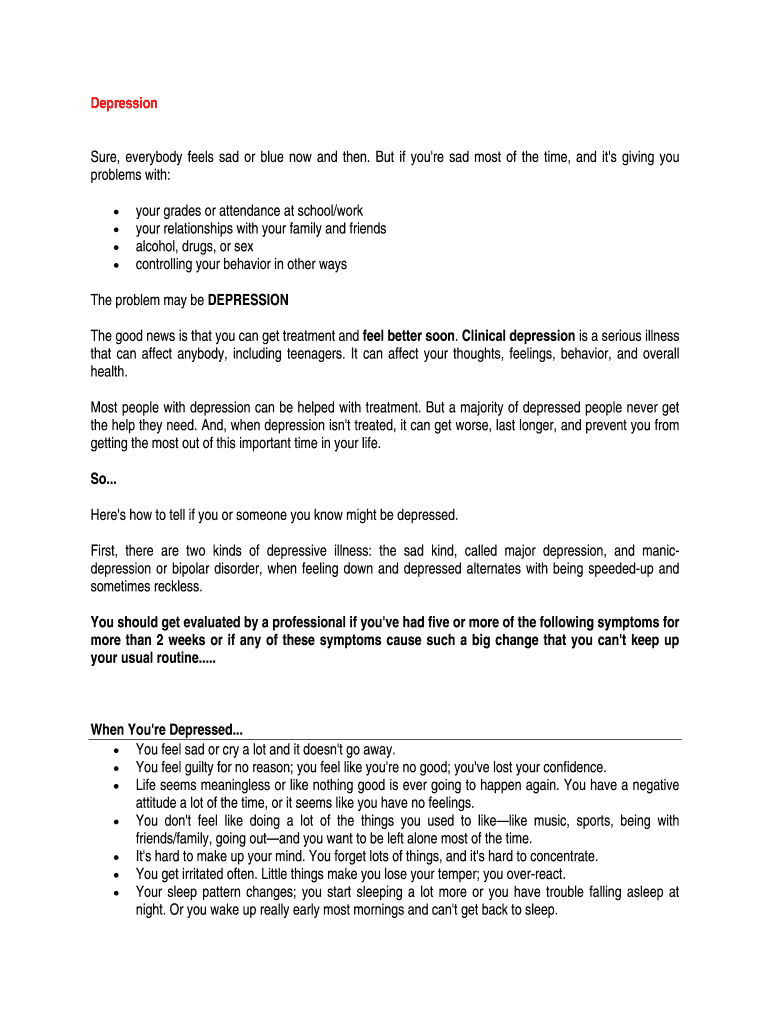







Definition of "Sure, Everybody Feels Sad or Blue Now and Then"
"Sure, everybody feels sad or blue now and then" reflects a common human experience that denotes transient feelings of sadness or mild depression. These emotions are typically short-lived, often dismissed as part of daily life's ebb and flow. Understanding this distinction is vital, as it helps differentiate between temporary emotional states and clinically significant depression, which requires professional intervention. Recognizing these feelings as normal can provide reassurance and contextualize them within the broader spectrum of human emotions.
How to Use the Sentiment Behind "Sure, Everybody Feels Sad or Blue Now and Then"
Understanding and validating this sentiment allows individuals and organizations to foster supportive environments. In the workplace, acknowledging that transient sadness is part of human experience can encourage open dialogue about mental well-being, fostering a culture where employees feel supported. For healthcare professionals, this understanding helps in identifying patients who might require more than just reassurance and could benefit from further mental health evaluation and support.
Who Typically Experiences "Sure, Everybody Feels Sad or Blue Now and Then"
This sentiment is universal, experienced by people across all demographics and life stages. Individuals might feel sad or blue due to everyday stressors such as work challenges, relationship issues, or health concerns. Adolescents, especially, might experience these feelings as they navigate developmental changes and social pressures. By normalizing these feelings, it becomes easier to extend empathy and support to those going through challenging times.
Important Terms Related to "Sure, Everybody Feels Sad or Blue Now and Then"
Understanding the language surrounding these feelings can aid in accurately identifying and discussing them. Terms like "episodic sadness," "situational depression," and "mild dysphoria" capture the nuances of transient emotions. It's crucial to differentiate these from terms associated with clinical depression, such as "major depressive disorder," which require a different approach for treatment and management.
Steps to Address Feelings of Sadness or Blue Moods
- Acknowledge the Feeling: Recognition is the first step towards addressing sadness.
- Seek Understanding: Determine if there are identifiable triggers or stressors.
- Assess Duration and Intensity: If feelings persist or intensify, they may warrant closer attention.
- Engage in Supportive Activities: Exercising or talking with a friend can provide relief.
- Consider Professional Help: If feelings escalate or significantly impact daily functioning, consulting a mental health professional is advisable.
Key Elements Influencing Temporary Sadness
Various factors contribute to temporary feelings of sadness or being "blue," including:
- Seasonal Changes: Reduced sunlight in winter can affect mood.
- Diet and Exercise: Physical health significantly impacts mental well-being.
- Social Connections: Isolation can exacerbate feelings of sadness. By understanding these elements, individuals can proactively manage their emotional health.
Examples of Using the Sentiment Appropriately
People might describe feeling "blue" after a stressful day at work or if a planned event didn't proceed as hoped. In such scenarios, understanding that these feelings are temporary can help individuals focus on overcoming them rather than becoming overwhelmed. Additionally, in educational settings, teachers can use this understanding to support students who might feel stressed during exams.
Legal and Social Context of "Sure, Everybody Feels Sad or Blue Now and Then"
In a legal context, recognizing the difference between transient sadness and clinical depression can impact decisions about mental health accommodations in workplaces or educational settings. Socially, understanding and expressing that everyone experiences these emotions reduces stigma around discussing mental health, promoting a healthier dialogue about personal well-being.
State-Specific Resources and Support Systems
Different states may have varying resources such as hotlines, mental health support services, and community outreach programs that are relevant when addressing sporadic feelings of sadness. Being aware of and accessing these resources contributes to better management of emotions and enhances community support networks, ensuring individuals feel less isolated during challenging times.




