Definition & Purpose of the 2 Form WI DoR S-211
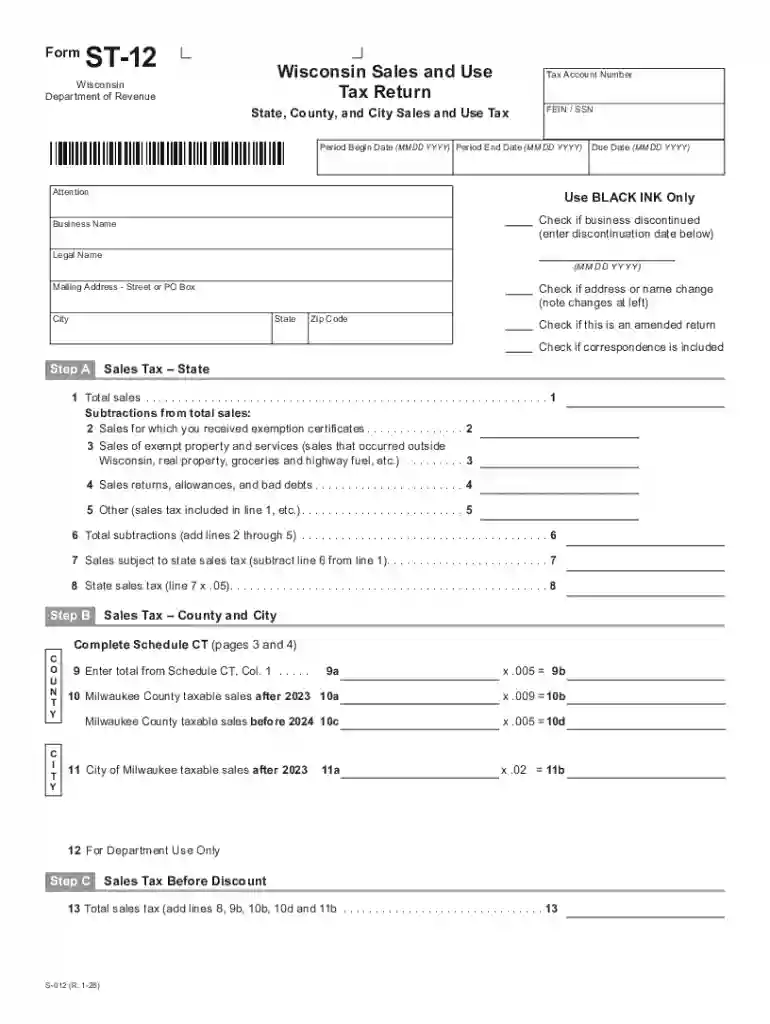
The 2 Form WI DoR S-211 is a Wisconsin Department of Revenue document designed for taxpayers to claim exemptions from state sales and use tax. This form is crucial for businesses and individuals who qualify for tax exemptions on certain goods and services bought or sold within Wisconsin. By using this form, taxpayers can ensure compliance with state tax laws while optimizing their financial efficiency.
- Functionality: This form helps both businesses and individuals in documenting tax exemption claims, ranging from manufacturing purchases to exempt agricultural purchases.
- Users: Typically used by businesses involved in manufacturing, farming, or certain government agencies, the form assists in legally minimizing taxable transactions.
How to Use the 2 Form WI DoR S-211
Using the WI DoR S-211 form involves several structured steps to ensure accuracy and completeness. Understanding the proper usage of this form can streamline tax exemption claims.
- Identify Eligible Transactions: Evaluate if your purchases or sales qualify for tax exemption under Wisconsin tax law.
- Complete the Form: Fill out all necessary fields, ensuring to provide accurate information regarding your business or personal details and the nature of the transaction.
- Retain in Records: Once completed, the form should be maintained in your tax records for audit purposes. Tax audits may require proof of exemption through the completed form.
- Submit to Vendor: Present the original completed form to the vendor at the time of purchase to validate your exemption claim.
Tips for Accurate Form Filling
- Ensure clarity and accuracy when entering dates and amounts.
- Double-check eligibility criteria to confirm the applicability of claimed exemptions.
Steps to Complete the 2 Form WI DoR S-211
Filling out the WI DoR S-211 form requires careful attention to detail to ensure all necessary exemptions are adequately documented.
- Enter Basic Information: Include the purchaser's name, address, and sales number if applicable.
- Select Exemption Type: Choose the appropriate exemption category, such as resale, manufacturing, or agriculture, from the listed options.
- Provide Description: Add a brief but comprehensive description of goods or services involved in the transaction.
- Signature and Date: Conclude by signing the form and adding the date to certify the accuracy and truthfulness of the exemption claim.
Common Mistakes to Avoid
- Missing signatures or dates can invalidate the form, leading to potential tax liabilities.
- Incorrect exemption category selection can delay processing and validation.
Important Terms Related to the Form WI DoR S-211
Understanding the terminology related to the WI DoR S-211 form enhances the user's ability to accurately fill and submit the form.
- Resale Certificate: A document allowing businesses to purchase products for resale without paying sales tax.
- Exempt Use Certificate: Used when purchasing goods that are exempt from tax under specific conditions.
- Audit: A formal examination of accounts or financial records to ensure accuracy and compliance with tax laws.
Filing Deadlines / Important Dates
While the WI DoR S-211 doesn't have a strict submission deadline like other tax forms, maintaining timely records is essential for compliance and potential audits.
- Annual Review: Regularly review your exemption status and renew forms as needed.
- Record Retention: Wisconsin requires businesses to retain exemption certificates for at least four years for audit purposes.
Key Dates for Businesses
- Businesses should align the review of exemption forms with their fiscal year end to ensure accuracy.
Legal Use of the 2 Form WI DoR S-211
The S-211 form has specific legal terms that users must abide by to ensure compliance with Wisconsin tax laws.
- Document Integrity: All forms must be original and unaltered. Changes to submitted forms can lead to penalties.
- Fraudulent Claims: Intentionally misrepresenting exemption eligibility can result in legal repercussions and penalties.
Penalties
- Taxpayers found violating the terms or misrepresenting information may face fines or criminal charges.
Submission Methods for the WI DoR S-211
Taxpayers can submit the completed WI DoR S-211 form using different methods, each with its own processes and implications.
- Online Submission: Digital submission through the Wisconsin Department of Revenue website streamlines processing and provides real-time confirmations.
- Mail: Traditional mail offers a tangible proof of submission, though it requires more time for processing.
- In-Person: Direct submission to Wisconsin DOR offices can ensure immediate verification but requires physical visits.
Best Practices for Submission
- For online submissions, retain digital confirmation receipts.
- For mailed submissions, use certified mail to confirm receipt.
Who Issues the Form
The Wisconsin Department of Revenue (WI DoR) is responsible for issuing the Form S-211, ensuring its compliance with state tax laws.
- Role: Acts as the governing authority for sales tax exemptions within Wisconsin.
- Support: Provides guidance and resources for understanding and implementing tax exemptions effectively.
Software Compatibility
Using tax preparation software can enhance the efficiency of managing and submitting the WI DoR S-211 form.
- TurboTax: Supports data entry for exemption forms within broader tax software functionalities.
- QuickBooks: Assists small and medium businesses by integrating exemption certificates into their accounting and tax workflows.
Integration Benefits
- Automated data fields help eliminate common errors.
- Real-time updates ensure businesses use the latest tax codes and rules.
These blocks provide comprehensive information about the 2 Form WI DoR S-211, focusing on its use, submission, and legal implications to assist users in leveraging it effectively for tax exemption claims.