




01. Edit your 2025 w 4 online
Type text, add images, blackout confidential details, add comments, highlights and more.

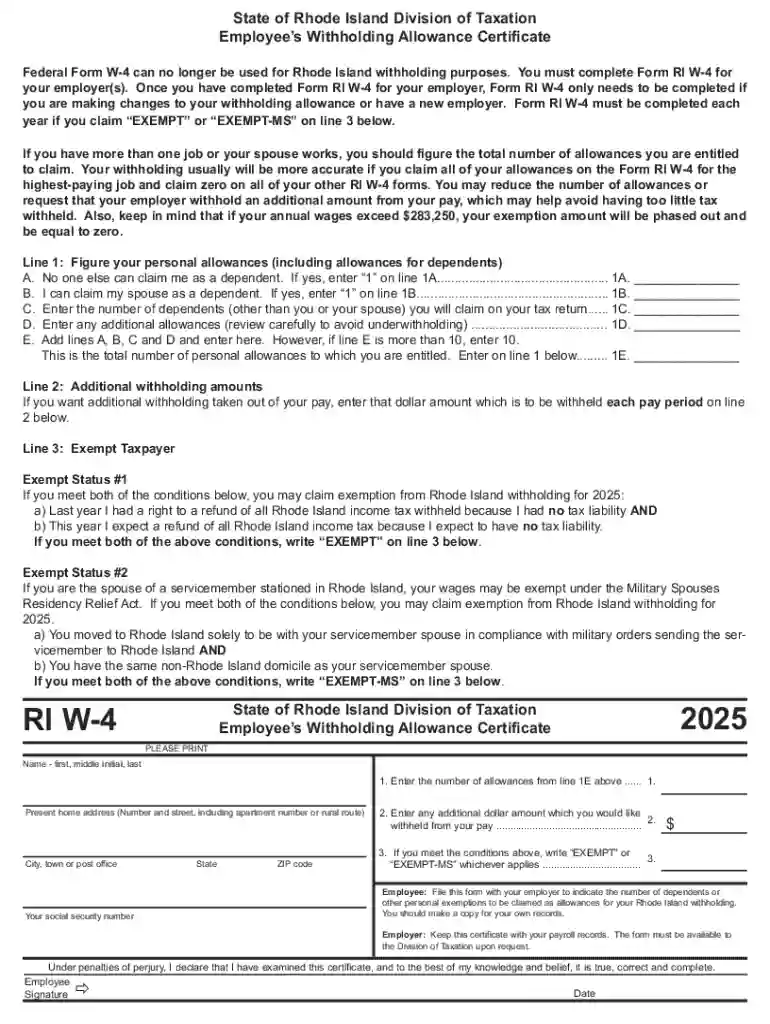
Type text, add images, blackout confidential details, add comments, highlights and more.

Draw your signature, type it, upload its image, or use your mobile device as a signature pad.

Send ri w via email, link, or fax. You can also download it, export it or print it out.
Rhode Island State Income Tax Withholding refers to the amount withheld from an employee's wages by their employer for state income tax purposes. This withholding is a mechanism to ensure that taxes are collected consistently throughout the year. Every employer in Rhode Island is required to withhold a certain percentage from their employee’s paychecks and remit it to the state's taxation authority. This not only helps the state maintain a steady revenue stream but also assists employees in managing their tax obligations, reducing the likelihood of a significant tax bill at year-end.
Employees in Rhode Island must fill out the Rhode Island Employee’s Withholding Allowance Certificate, also known as Form RI W-4. This form allows employees to indicate the number of allowances they are claiming, which affects the amount withheld from their paychecks. The process generally involves:
Adjusting withholding amounts may be necessary if there are significant life changes, such as marriage, the birth of a child, or a new job.
Filling out the Form RI W-4 requires careful attention to detail to ensure accurate withholding:
Understanding specific terms aids in accurately completing the withholding process:
The Form RI W-4 serves a legal purpose, as compliance with its requirements is both a state and an employer's responsibility. Employees must ensure that information is current and truthful. Employers are legally required to implement the withholding instructions provided by employees through this form and to remit the appropriate amounts to the state. Failure to accurately complete or submit the form could result in incorrect withholding, which may lead to penalties.
Rhode Island has particular rules affecting state income tax withholding:
Employers must follow specific timelines for submitting withheld taxes to Rhode Island's tax authorities. Generally, withholding amounts need to be remitted monthly or quarterly, depending on the size of the business and the amount of withholding. Taxpayers should be aware of the annual deadline for submitting updated withholding forms or any changes that might impact their tax liability.
Failing to comply with Rhode Island’s tax withholding requirements can result in penalties for both employers and employees. Employers may face fines for not withholding or not submitting the correct amounts. Employees might experience penalties if they are deemed to have underpaid their taxes due to incorrect information on their withholding forms. It is critical to keep records and ensure that all forms are current and correct to avoid these consequences.
We've got more versions of the 2025 w 4 form. Select the right 2025 w 4 version from the list and start editing it straight away!
| Versions | Form popularity | Fillable & printable |
|---|---|---|
| 2025 | 4.8 Satisfied (34 Votes) | |
| 2025 | 4.9 Satisfied (29 Votes) | |
| 2024 | 4.6 Satisfied (26 Votes) | |
| 2024 | 4.6 Satisfied (23 Votes) | |
| 2022 | 4.8 Satisfied (274 Votes) | |
| 2021 | 4.4 Satisfied (246 Votes) | |
| 2020 | 4.3 Satisfied (107 Votes) | |
| 2019 | 4.4 Satisfied (100 Votes) | |
| 2018 | 4.4 Satisfied (107 Votes) | |
| 2017 | 4.3 Satisfied (67 Votes) | |
| 2011 | 4.2 Satisfied (55 Votes) |
At DocHub, your data security is our priority. We follow HIPAA, SOC2, GDPR, and other standards, so you can work on your documents with confidence.
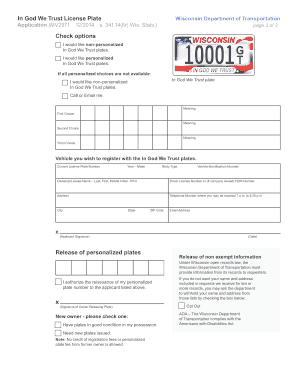




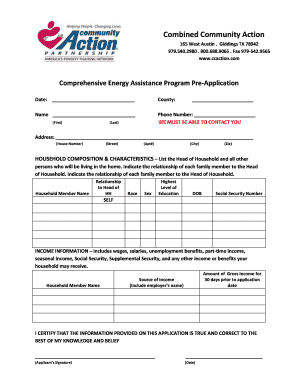
Employers may register for an income tax withholding account and an unemployment insurance account electronically via the RI Division of Taxation CombinedRead more
Monthly - If an employer withholds $50 or more but less than $600 for any calendar month from employees wages, the employer must remit the taxes withheld on aRead more


