




01. Edit your mississippi directive online
Type text, add images, blackout confidential details, add comments, highlights and more.

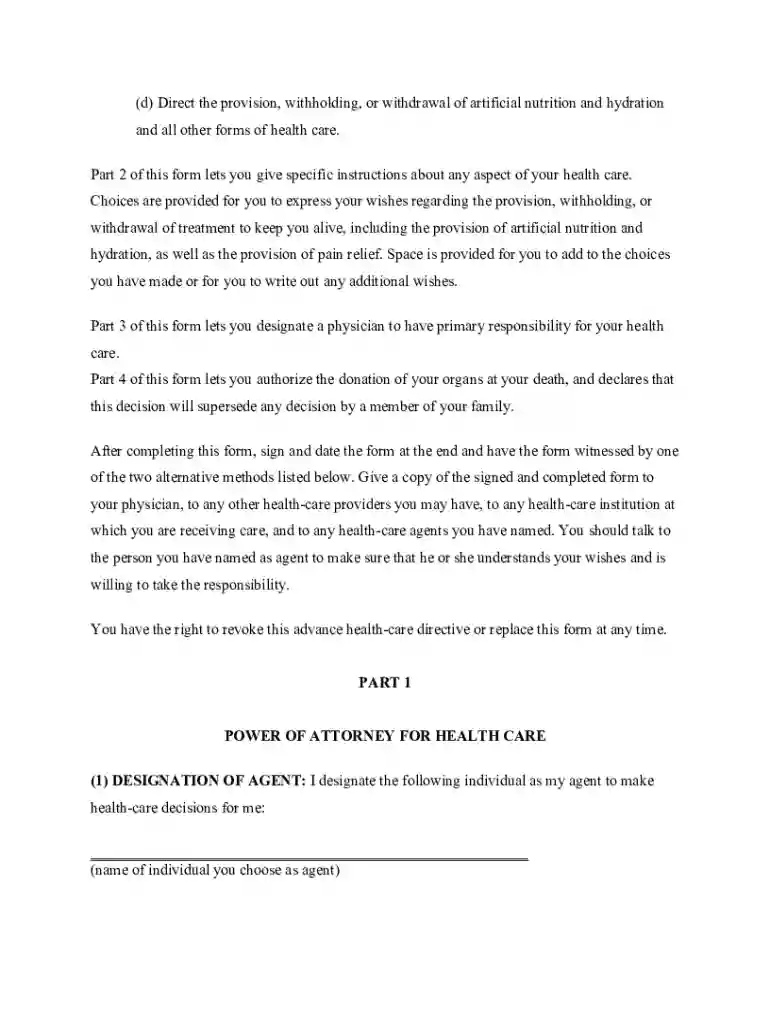
Type text, add images, blackout confidential details, add comments, highlights and more.

Draw your signature, type it, upload its image, or use your mobile device as a signature pad.

Send ms directive via email, link, or fax. You can also download it, export it or print it out.
An advance care directive is a legal document that allows individuals to outline their healthcare preferences and appoint a decision-making agent should they become incapacitated. This directive grants autonomy over medical decisions, ensuring that one's healthcare choices are respected even when they cannot communicate directly. The document may cover various aspects, such as appointing a primary physician, outlining end-of-life care, and specifying organ donation preferences. Understanding and establishing these directives are crucial in upholding personal healthcare choices and providing peace of mind for individuals and their families.
Assess Personal Values and Healthcare Goals: Before drafting, individuals should reflect on their healthcare values and goals. Consider possible medical scenarios and the type of care desired in those situations. This includes decisions about life-sustaining measures, pain management, and other critical healthcare interventions.
Select a Healthcare Agent: Choose a reliable and trustworthy individual to act as a healthcare agent. This person will make medical decisions on your behalf if you are unable. It's essential to discuss your healthcare preferences with them to ensure they fully understand and are comfortable with their responsibilities.
Draft the Document: Use a template specific to your state as laws and requirements may vary. The document should clearly articulate your medical preferences and the extent of authority granted to your healthcare agent. Some templates may also include sections for nominating a secondary agent, should the primary be unavailable.
Sign and Witness the Directive: After completing the directive, sign and date the document. Depending on state laws, witnesses and/or a notary may be required for the directive to be considered legally binding. Ensure that any witnesses are not the appointed healthcare agent or anyone directly involved in your medical care.
Distribute Copies: Provide copies of the directive to your healthcare agent, healthcare providers, close family members, and any attorney involved. Keep an easily accessible copy at home. It's imperative that these individuals know where the original document is stored and can access it when necessary.
The advance care directive holds legal authority to direct healthcare providers on the medical treatments an individual wishes or does not wish to receive. It is legally enforceable across healthcare settings, including hospitals, nursing homes, and hospice care. The directive must comply with state-specific regulations to be valid. It can be modified or revoked by the individual at any time as long as they maintain mental capacity, ensuring that the document accurately reflects current medical wishes.
Advance care directives serve individuals of any age who want to ensure their healthcare preferences are documented and respected. Typically, they are used by:
Understanding the diverse needs of these groups helps in tailoring the document to reflect personal healthcare desires accurately.


Designation of a Healthcare Agent: The directive should clearly name the individual appointed to make decisions on your behalf.
Medical Preferences: Detail the types of medical interventions you wish to receive or avoid, such as resuscitation, mechanical ventilation, and tube feeding.
Emergency Contact Information: Include contact details for your healthcare agent and any alternate agents.
Living Will Provisions: Specific provisions regarding long-term care and end-of-life wishes.
Organ Donation Instructions: If desired, include organ and tissue donation instructions.
Advance care directives are governed by state laws, which dictate the necessary components and legal requirements. These laws can influence witness specifications, the use of standard forms, notary requirements, and the ability to include additional documents like living wills. Understanding these variations ensures that the crafted directive is compliant and enforceable within the respective state.
Consider scenarios where an individual becomes incapacitated due to a stroke or a severe accident. With an advance care directive in place, medical providers will look to the document to guide treatment decisions. In another example, an individual with a terminal illness may preemptively outline specific care preferences to ensure comfort over aggressive treatments. These examples illustrate the directive’s role in aligning medical care with personal values and choices.
Advance care directives can be obtained through healthcare providers, legal advisors, or specific state health department websites that provide standardized forms. It's essential to use a state-compliant template to ensure that the document meets all legal requirements. Online resources also provide guidance on completing these documents, often including FAQs and instructional guides for further assistance.
At DocHub, your data security is our priority. We follow HIPAA, SOC2, GDPR, and other standards, so you can work on your documents with confidence.







An advance health care directive lets your doctor, family and friends know your health care preferences, including the types of special treatment you want
Advance care planning includes advance directives, legal documents that help loved ones honor your wishes about end of life care, if you cannot do so own


