Definition and Purpose of Utah Third District Court Fillable Forms
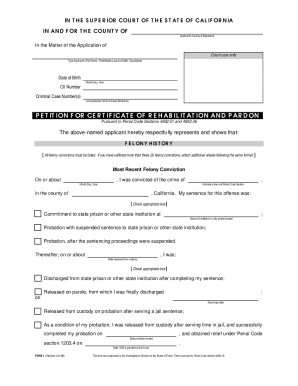
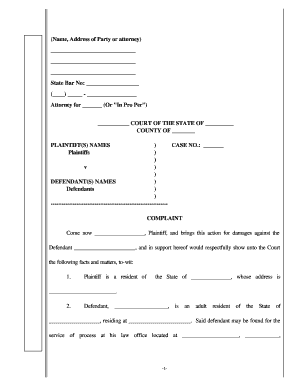
The Utah Third District Court fillable forms serve as crucial documents required for various legal proceedings within the jurisdiction of the Third Judicial District Court in Salt Lake County, Utah. These forms are designed to streamline the documentation process for both court officials and individuals involved in legal cases. They provide a structured way to input necessary information relevant to specific legal matters, ensuring consistency and accuracy.
Types of Forms Available
- Motion Forms: Used to request the court to make a specific ruling or order.
- Petition Forms: Essential for initiating certain types of legal actions.
- Affidavits and Declarations: For providing sworn statements under oath.
- Orders and Judgments: Used by the court to record decisions and directives.
These forms are vital for maintaining a smooth and efficient court process, reducing the potential for delays caused by incorrect or incomplete submissions.
How to Use the Utah Third District Court Fillable Forms
Using the Utah Third District Court fillable forms involves understanding the specific requirements and details necessary for accurate completion. These forms are typically available in both digital and paper formats, making them accessible for a wider audience.
Steps for Digital Completion
- Download the Form: Access the fillable form from the Utah court's official website or through authorized platforms like DocHub.
- Review Instructions: Each form comes with specific guidelines on how to fill it out, which must be carefully read to avoid mistakes.
- Enter Required Information: Fill in the necessary fields, ensuring all data is accurate and complete. Use digital tools for text entry and signature fields where applicable.
- Save and Review: Save the completed form, and review it for any errors or omissions.
- Submit: Depending on the form's instructions, submit it via email, online portal, or print and send it via mail.
Completing these forms digitally offers the convenience of editing and adjusting entries as needed before final submission.
How to Obtain the Utah Third District Court Fillable Forms
Accessing the Utah Third District Court fillable forms is a straightforward process, vital for anyone engaged in a legal procedure within this jurisdiction.
Access Points
- Official Court Website: The primary source for obtaining these forms is the Utah Courts' official website, where they are categorized based on the nature of the legal action.
- Legal Services Offices: Local legal aid offices may also provide these forms for clients who require legal assistance.
- Authorized Online Platforms: Services like DocHub offer these fillable forms, enabling users to complete them easily online.
Ensuring the correct source is used for these forms guarantees the use of the most current and valid versions, which is crucial for compliance.
Steps to Complete the Utah Third District Court Fillable Forms
Properly completing the Utah Third District Court fillable forms requires attention to detail and adherence to specific guidelines.
Step-by-Step Guide
- Identification: Begin by reviewing the introduction to identify the specific form needed for your legal matter.
- Download and Prepare: Download the form and prepare any supporting information or documents needed.
- Filling Out Details: Carefully fill out each section, following the form's structure and instructions.
- Review for Accuracy: Check the form for accuracy, verifying all personal details and case-related information.
- Attachments: Attach any required supplementary documents, ensuring they are properly labeled and organized.
- Signature: Use the designated fields for signatures, ensuring they meet legal requirements.
Key Components to Watch
- Personal Identification Sections: Ensure names, addresses, and contact details are correct.
- Case Details: Include specific information related to the court case, such as case numbers and parties involved.
- Deadline Compliance: Be mindful of submission deadlines to avoid procedural delays.
Following these steps helps provide a thorough and accurate submission, crucial for any legal process.
Who Typically Uses the Utah Third District Court Fillable Forms
These forms are used by a diverse range of individuals and legal entities involved in court proceedings within the Third Judicial District.


Common Users
- Attorneys and Legal Representatives: For presenting motions, petitions, and other legal submissions.
- Individual Litigants: Self-represented individuals or defendants needing to file specific documentation.
- Court Officials and Clerks: For processing and organizing submitted forms in alignment with court protocols.
These forms facilitate communication and procedural compliance within the legal system, ensuring that all parties adhere to established legal standards.

Legal Use of the Utah Third District Court Fillable Forms
Using these fillable forms within legal boundaries is essential to uphold their validity and enforceability in court proceedings.
Compliance Aspects
- Authenticity: Ensure all information is accurate and truthful to avoid legal repercussions.
- Proper Submission: Follow the designated submission procedures, whether online, by mail, or in person, to ensure the court receives them.
- Adherence to Guidelines: Comply with specific form instructions and legal stipulations attached to each document.
These forms form the basis of many legal actions and decisions, therefore, maintaining their integrity through proper use is critical.
Key Elements of the Utah Third District Court Fillable Forms
Each form comprises essential components that must be carefully completed to fulfill its purpose.
Core Components
- Header Information: Includes case titles, numbers, and court divisions.
- Body Sections: Where detailed information relevant to the form’s purpose (e.g., affidavits, motions) is input.
- Fields for Signature and Date: These legally bind the document to the individual or legal entity completing it.
Understanding these crucial elements allows users to navigate the form efficiently, ensuring all requirements are met accurately.
Form Submission Methods: Online, Mail, and In-Person
Knowing the available methods for submitting these forms is vital for ensuring they are received and processed correctly by the court.
Submission Options
- Online: Many forms can be submitted through the court’s electronic filing system, which provides a fast and convenient method.
- Mail: For those preferring traditional submission, completed forms can be mailed to the court's office, ensuring to include all necessary documents and fees.
- In-Person: This method allows individuals to hand-submit forms at the courthouse, often providing immediate confirmation of receipt.
Each method has its advantages, and the choice depends on the individual's needs, deadlines, and access to technology.