




01. Edit your form online
Type text, add images, blackout confidential details, add comments, highlights and more.

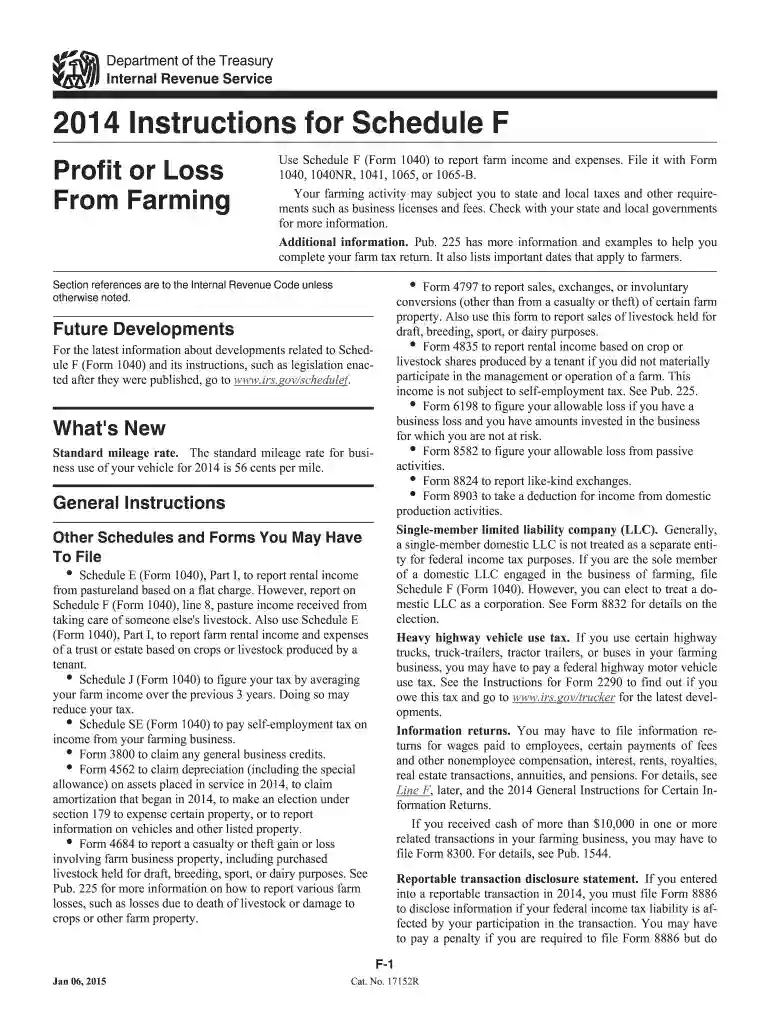
Type text, add images, blackout confidential details, add comments, highlights and more.

Draw your signature, type it, upload its image, or use your mobile device as a signature pad.

Send it via email, link, or fax. You can also download it, export it or print it out.
Form 8582 is an essential tool used by taxpayers in the United States to determine allowable losses from passive activities. Passive activities generally refer to business or trade activities in which the taxpayer does not materially participate. This form helps calculate the amount of passive activity loss that is deductible in the current year and what needs to be carried forward. Understanding how to use Form 8582 can be crucial for both individual taxpayers and certain business entities engaged in passive ventures, ensuring compliance with IRS regulations and accurate financial reporting.
Identify Passive Activities: Begin by determining which of your activities qualify as passive. This typically includes rental real estate and businesses in which you do not actively participate.
Calculate Losses: Gather all necessary financial data to calculate your passive activity losses. This will include profits and losses from each passive activity.
Complete Part I: Enter the total income and losses from passive activities on Lines 1a to 1e to determine the net balance.
Part II Adjustments: Adjustments must be made via the Special Allowance for Rental Real Estate with Active Participation. If eligible, follow the instructions to complete this section accurately.
Determine Allowable Loss: Use Parts III and IV to determine the deductible passive losses for the current tax year.
Carryforward Losses: Note any disallowed losses which need to be carried forward to future tax years.
Gather Documentation: Collect all documentation regarding your passive activities, including income statements, loss reports, and prior year's tax documentation.
Review Instructions: Carefully review the IRS instructions for Form 8582 to understand specific line item requirements.
Fill Out Initial Sections: Input your passive activity income and deductions in the correct fields on the form.
Calculate Net Figures: Proceed to net calculations as instructed to determine your total passive income or loss.
Report Special Allowances: If applicable, account for any special allowances in Part II, ensuring all conditions for these allowances are met.
Finalize the Form: Double-check all entries for accuracy, especially calculator-based entries to avoid misreported figures.
Submit: Include Form 8582 with your annual tax return submission to the IRS.
Form 8582 is primarily used by taxpayers involved in passive activities such as rental properties, limited partnerships, or businesses in which they do not have a substantial involvement in operations. Various individuals and business entities that have passive income streams or investments typically need this form to report allowable losses. It's especially relevant to landlords, investors, and silent partners in business ventures.
The IRS outlines specific criteria for using Form 8582, emphasizing the distinction between passive and active activities. These guidelines ensure that only qualifying losses are accounted for in the taxpayer's deduction claims. Key stipulations include material participation tests, the segregation of passive activities from non-passive ones, and the treatment of income types. Taxpayers must adhere to these standards to maintain compliance and avoid penalties.
The deadline for submitting Form 8582 aligns with the typical tax filing deadline for individuals, which is generally April 15th. Extensions are available, but taxpayers must request these by the tax deadline to avoid penalties. Taxpayers should remain aware of yearly changes to these dates, especially in cases of federally recognized holidays or extensions provided by the IRS.
When preparing to fill out Form 8582, taxpayers need:
The IRS provides both digital and paper versions of Form 8582. Filing digitally using tax software like TurboTax or QuickBooks can streamline the process, allowing automatic calculations and error checks. However, taxpayers can use the paper form if preferred, ensuring all manual entries are accurate and added documentation is duly noted. Digital submissions generally offer faster processing times and confirmation receipts from the IRS.
We've got more versions of the Form 8582 to figure your allowable loss from passive activities form. Select the right Form 8582 to figure your allowable loss from passive activities version from the list and start editing it straight away!
At DocHub, your data security is our priority. We follow HIPAA, SOC2, GDPR, and other standards, so you can work on your documents with confidence.




Form 8582 is used by noncorporate taxpayers to figure the amount of any passive activity loss (PAL) for the current tax year and the total losses allowed from.Read more
Form 8582 is used by noncorporate taxpayers to figure the amount of any passive activity loss (PAL) for the current tax year and the total losses allowed fromRead more


