




01. Edit your application form temporary incapacity leave long period online
Type text, add images, blackout confidential details, add comments, highlights and more.

Type text, add images, blackout confidential details, add comments, highlights and more.

Draw your signature, type it, upload its image, or use your mobile device as a signature pad.

Send incapacity leave forms long period via email, link, or fax. You can also download it, export it or print it out.
Incapacity leave is a form of leave that employees can apply for when they are unable to perform their job duties due to a temporary medical condition or disability. This type of leave is typically covered under workplace policies and possibly federal laws, such as the Family and Medical Leave Act (FMLA) in the U.S., depending on the specific circumstances and duration of the incapacity. The primary purpose is to protect employees from losing their jobs during periods of genuine medical incapacity while ensuring they provide necessary documentation to maintain transparency and fairness in the workplace.
Using incapacity leave effectively requires clear communication and adherence to your employer’s policies. Employees should notify their human resources department or supervisor as soon as they become aware of their inability to work, ideally before they need to take the leave. Documentation from a healthcare professional verifying the medical condition should be obtained as proof of incapacity. Variations across organizations may exist, so it's crucial to understand your company's specific process and requirements to ensure a smooth and compliant request.
To obtain incapacity leave, an employee must follow a set process usually outlined by their employer. Generally, this involves:
Understanding the process ensures your request is handled promptly and minimizes potential disputes or delays.
Completing the incapacity leave application involves several key steps:
Following these steps ensures you provide all required information for timely processing.
Choosing to use incapacity leave protects your employment status during unavoidable absences due to medical conditions. This type of leave allows employees to prioritize their health without the fear of job loss. It also ensures compliance with workplace protocols, potentially securing salary continuity or benefits during the leave period. Understanding the protective measures provided by incapacity leave can offer peace of mind and financial stability while you address health concerns.
Incapacity leave is commonly utilized by employees across various sectors who experience temporary, medically-certified conditions that impede their ability to work. This encompasses a wide range of professions, from corporate sectors to health services, and covers issues like serious illness, surgical recovery, and postpartum recovery periods. Understanding that incapacity leave is not limited to a specific industry encourages employees to seek out this option when medically necessary.


The legal framework for incapacity leave is often supported by federal and state laws, such as the FMLA in the U.S., which grant employees the right to take leave for specific medical and family reasons without risk of job loss. Employers are required to comply with these regulations, ensuring that they provide necessary leave without discrimination or unfair penalties. Legal provisions typically require employees to submit substantial medical documentation and meet specific criteria to qualify for leave under these laws.
Securing incapacity leave necessitates proper documentation for verification. Critical documents include:
Providing comprehensive and accurate documentation is essential to securing your leave and ensuring employer compliance during your absence.
Different organizations may offer various methods for submitting incapacity leave forms. Generally, these include:
Choosing the submission method that aligns with company guidelines and personal convenience can expedite the approval process and reduce processing times.
At DocHub, your data security is our priority. We follow HIPAA, SOC2, GDPR, and other standards, so you can work on your documents with confidence.



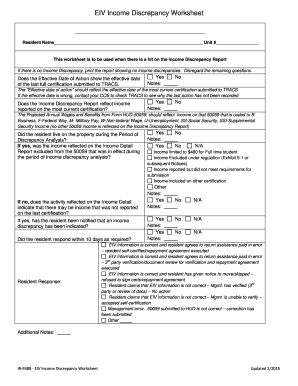
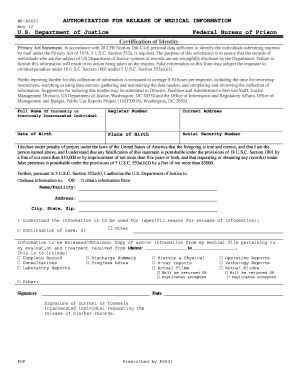
Incapacity means an individual is unable to work, attend school or perform other regular daily activities because of the serious health condition, due to
Aug 7, 2024 This status group includes any condition that can alter or prevent the actions a character normally has available to them.


