




01. Edit your instructions income tax return online
Type text, add images, blackout confidential details, add comments, highlights and more.

Type text, add images, blackout confidential details, add comments, highlights and more.

Draw your signature, type it, upload its image, or use your mobile device as a signature pad.

Send 2023 instructions income tax via email, link, or fax. You can also download it, export it or print it out.
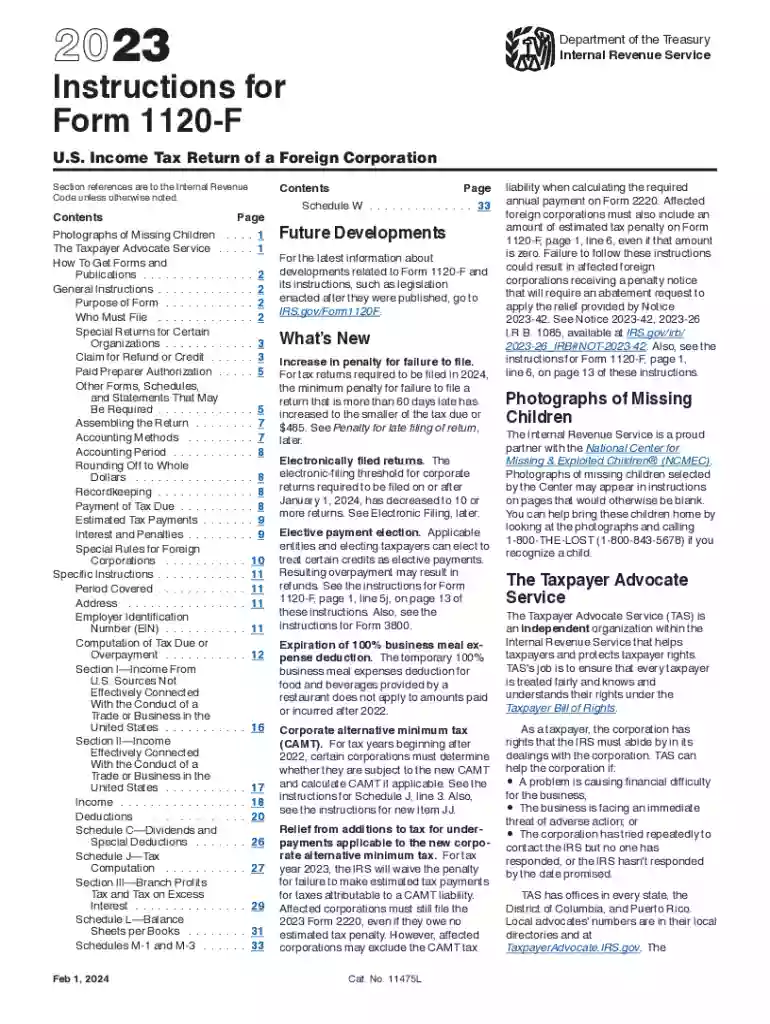
Form 1120-F is the U.S. Income Tax Return form specifically designed for foreign corporations. This form is critical for foreign businesses generating income within the United States, ensuring that these entities comply with U.S. tax regulations. Completing Form 1120-F accurately allows foreign corporations to declare their taxable income, calculate their U.S. income tax liability, and report any tax credits or deductions. Understanding the nuances of this form can help prevent errors that could result in penalties.
The instructions for Form 1120-F are comprehensive, covering various sections that aid in accurately filling out the form. These elements include:
Completing Form 1120-F involves several meticulous steps to ensure all information is accurate:
Foreign corporations must file Form 1120-F by the 15th day of the 6th month after the end of the corporation’s tax year. For calendar-year entities, this typically falls on June 15. Filing on time is crucial to avoid penalties, and it is often advisable to mark key tax calendar dates to ensure compliance.
Failure to file Form 1120-F on time can result in substantial penalties. The IRS imposes a failure-to-file penalty of five percent of the unpaid tax for each month or part of a month that a tax return is late. Additionally, if there is no tax originally due but the form is filed late, the penalty still applies based on the extent of negligence observed by the IRS.
Form 1120-F can be submitted via several channels:
Each submission method has specific requirements, particularly when filing electronically, to ensure secure and successful transmission.
IRS guidelines for Form 1120-F are detailed, aligning with overall U.S. tax filing principles but tailored for foreign corporations. These guidelines encompass aspects like specific income source rules, withholding tax implications, and applicable tax treaties. The guidelines are updated annually, reflecting any changes in legislation or IRS policies.
Typically, Form 1120-F is used by foreign corporations, including foreign-controlled U.S. entities and branches of foreign corporations. Each business type must adhere to different filing requirements based on their operations and income generation basis in the U.S. Understanding which entities are mandated to file assists in proper tax planning and compliance.
Several scenarios illustrate the use of Form 1120-F, such as a Japanese firm with operations in California or a German company exporting goods through a U.S. distributor. Each case involves unique deductions, credits, and tax positions that require accurate reporting to ensure adherence to U.S. tax laws and avoid potential audits or disputes with the IRS.
Modern tax software like TurboTax or QuickBooks often integrates with Form 1120-F, offering user-friendly interfaces to help companies accurately complete and file their taxes. This compatibility aids in meticulous record-keeping and ensures that data inputs align with IRS standards, minimizing the risk of errors in financial reporting and tax computation.
We've got more versions of the instructions income tax return form. Select the right instructions income tax return version from the list and start editing it straight away!
At DocHub, your data security is our priority. We follow HIPAA, SOC2, GDPR, and other standards, so you can work on your documents with confidence.
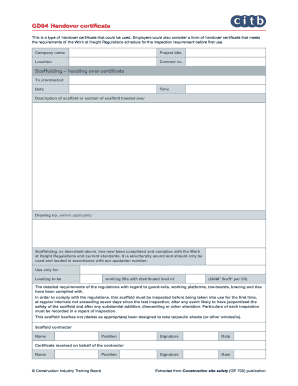

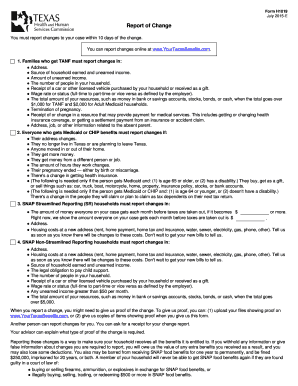
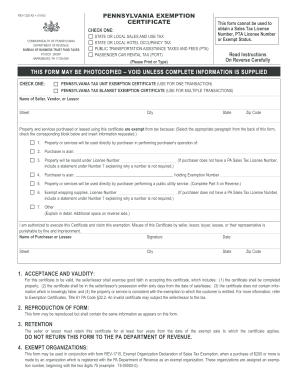



Corporations file. Form 1120-F; all others file Form 1040-NR. You may get the return forms and instructions at IRS.gov, at any U.S. Embassy or consulate, Tax
Feb 1, 2024 Use Form 1120-F to report the income, gains, losses, deductions, credits, and to figure the U.S. income tax liability of a foreign corporation.Read more


