01. Edit your form online
Type text, add images, blackout confidential details, add comments, highlights and more.

Type text, add images, blackout confidential details, add comments, highlights and more.

Draw your signature, type it, upload its image, or use your mobile device as a signature pad.

Send it via email, link, or fax. You can also download it, export it or print it out.
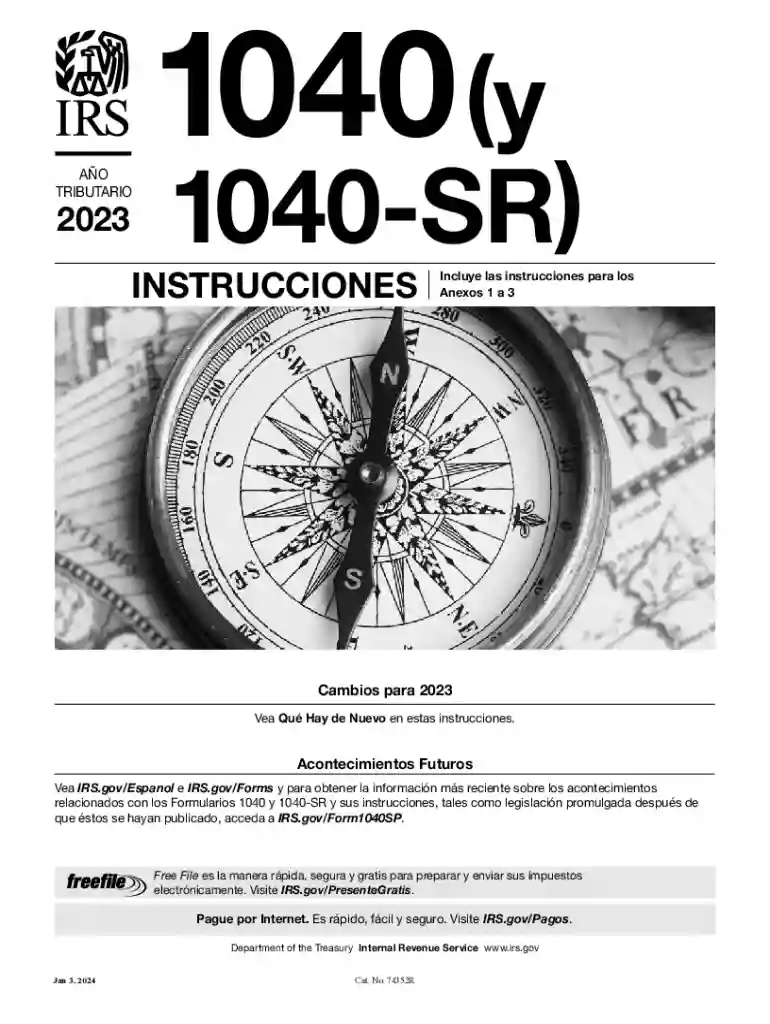
The "Gua de la Temporada de Impuestos: Haga de IRS su" is typically an informational guide designed to assist individuals and businesses in navigating the U.S. tax season. This guide helps taxpayers understand their obligations, rights, and procedures when dealing with the IRS (Internal Revenue Service). It is structured to simplify the complexities of the U.S. tax code, making it easier for users to comply with federal tax regulations and maximize their tax efficiency.
The "Gua de la Temporada de Impuestos: Haga de IRS su" can be accessed through a variety of channels. It is often available on the official IRS website, where users can download it as a PDF or view it online. Tax preparation software also frequently includes this guide to help users through the filing process. Additionally, physical copies may be available at IRS offices or through financial advisors specializing in tax preparation.
Understanding key terminology is essential for anyone using the "Gua de la Temporada de Impuestos: Haga de IRS su." Some of the critical terms include:
Completing the guide involves several key steps, ensuring that the taxpayer correctly files their taxes:
The IRS provides specific guidelines in conjunction with the guide to ensure compliance. These guidelines cover a range of topics such as:
Adhering to IRS deadlines is crucial to avoid penalties. Important dates include:
Preparing the necessary documents is vital. These may include:
Tax preparation software like TurboTax and QuickBooks often includes the "Gua de la Temporada de Impuestos: Haga de IRS su" to streamline the filing process. These programs guide users through data entry, ensure all necessary forms are filled, and incorporate real-time tax code updates. Users should ensure their software is updated to the latest version to leverage these benefits.
There are various versions or complementary guides to the "Gua de la Temporada de Impuestos: Haga de IRS su," depending on specific taxpayer needs. For instance, state-specific guides can provide additional context on regional tax laws. Taxpayers should consider using multiple resources to ensure comprehensive tax preparation.
Different taxpayers may have specific considerations:


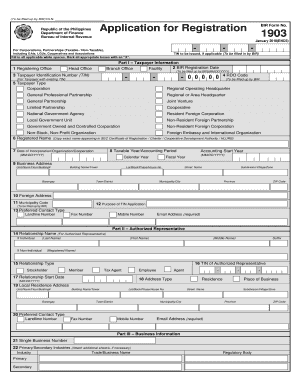
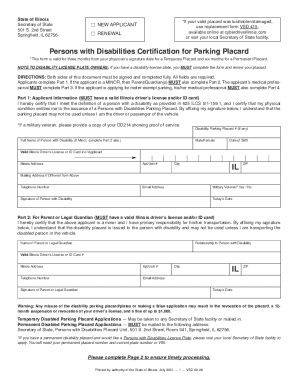
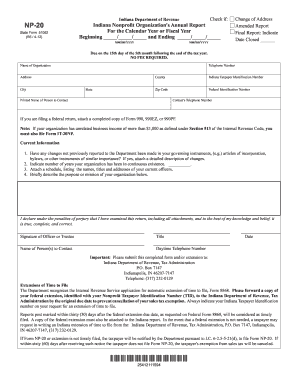
We've got more versions of the Gua de la Temporada de Impuestos: Haga de IRS su form. Select the right Gua de la Temporada de Impuestos: Haga de IRS su version from the list and start editing it straight away!
At DocHub, your data security is our priority. We follow HIPAA, SOC2, GDPR, and other standards, so you can work on your documents with confidence.