




01. Edit your form online
Type text, add images, blackout confidential details, add comments, highlights and more.

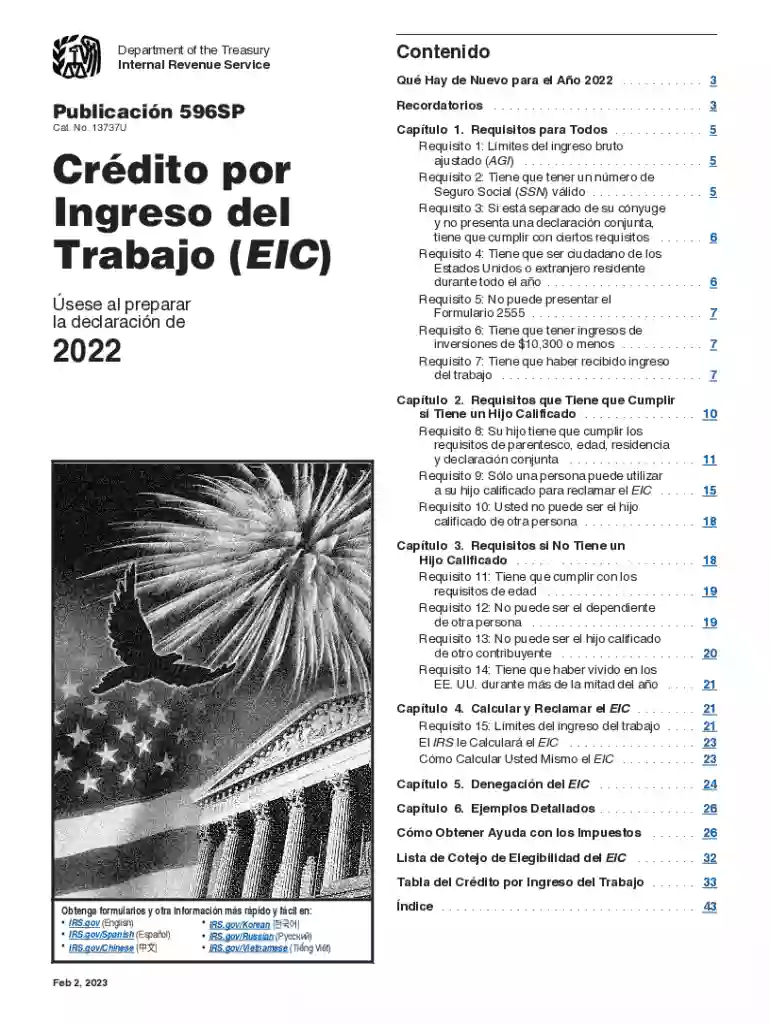
Type text, add images, blackout confidential details, add comments, highlights and more.

Draw your signature, type it, upload its image, or use your mobile device as a signature pad.

Send it via email, link, or fax. You can also download it, export it or print it out.
The New Jersey Earned Income Tax Credit (EITC) is a state-based supplement to the federal Earned Income Tax Credit. This tax credit is designed to provide financial assistance to lower and middle-income working families, increasing their disposable income by reducing the amount of taxes owed. In some cases, it can result in a refund even if no taxes are due. This program is specifically structured to encourage work while supporting families and individuals in achieving economic stability.
To qualify for the New Jersey EITC, taxpayers must meet several criteria. Primarily, they must have earned income from employment or self-employment and have filed an NJ-1040 tax return. Eligibility also hinges on fulfilling income thresholds that vary based on filing status and the number of qualifying children. Additionally, tax filers must be residents of New Jersey and must also meet the federal EITC requirements, which entail having a Social Security number and being a U.S. citizen or resident alien for the entire tax year.


Obtaining the New Jersey EITC involves filing your state taxes using the NJ-1040 form. Taxpayers must ensure they claim the EITC when filing; otherwise, it will not be automatically applied. It's imperative to double-check that the federal EITC has also been claimed, as eligibility for the state EITC depends on qualifying for the federal credit. Many online tax filing platforms, such as TurboTax, have integrated checks to help ensure eligibility and correct application of the credit during the filing process.
Determine Eligibility: Verify that you meet all state and federal requirements, including income limits and residency status.
File Federal Taxes: Complete your federal tax return, ensuring you have claimed the federal EITC if eligible.
Prepare NJ-1040: Complete the state tax return, NJ-1040, making sure to include relevant information for the New Jersey EITC.
Include All Documentation: Attach required documents, like income statements (W-2s, 1099s), to validate your earnings.
Review and Submit: Carefully review your tax return entries for accuracy before submission to avoid errors that could delay your refund.
While the New Jersey EITC is a state-level credit, adherence to IRS guidelines is crucial since eligibility is contingent on qualifying for the federal EITC. The IRS provides comprehensive guidance on qualifying income levels, family relationships, and the definition of a qualifying child. It's also essential to comply with documentation requirements and abide by filing deadlines to ensure correct credit application.
Filing for the New Jersey EITC necessitates compiling several key documents:
To maximize benefits, timely filing is essential. The deadline for state tax returns in New Jersey typically aligns with the federal tax deadline on April 15. However, if this date falls on a weekend or holiday, the deadline may be shifted to the next business day. It's advisable to file early, ensuring all components are complete and accurate, and to take advantage of extensions if necessary.
New Jersey has specific rules governing its EITC distinct from other states. For instance, the percentage of the federal credit that New Jersey provides may vary annually, with legislative adjustments occasionally altering the specific amount. Furthermore, New Jersey residents are uniquely required to have filed the federal EITC to qualify for the state's version, emphasizing the necessity of meeting federal criteria as a prerequisite.
Failure to accurately claim the New Jersey EITC or providing false information can result in penalties. These penalties may include fines, interest on underpaid taxes, and disqualification from future earning credits. Intentional misrepresentation or fraudulent claims are particularly serious and can lead to legal consequences.
Understanding the comprehensive nature and strict criteria of the New Jersey Earned Income Tax Credit ensures taxpayers can correctly apply and benefit from this financial support, fostering a more stable economic environment for eligible residents.
We've got more versions of the New Jersey Earned Income Tax Credit - NJ form. Select the right New Jersey Earned Income Tax Credit - NJ version from the list and start editing it straight away!
At DocHub, your data security is our priority. We follow HIPAA, SOC2, GDPR, and other standards, so you can work on your documents with confidence.
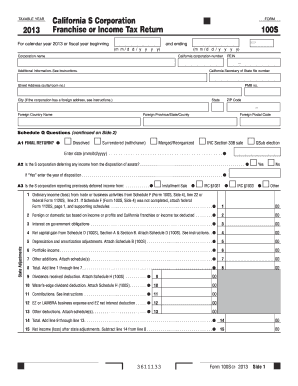
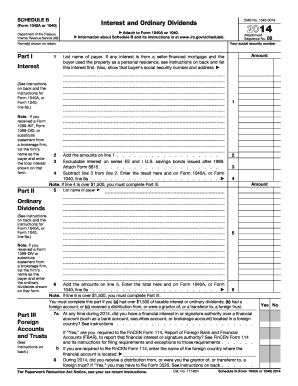


Married resident individuals who file a joint return for Federal and gross income tax purposes are eligible for a New Jersey earned income tax credit.
May 7, 2025 The New Jersey Earned Income Tax Credit (NJEITC) is a benefit for working New Jersey residents who earn low- to moderate-income.


