






Definition and Meaning
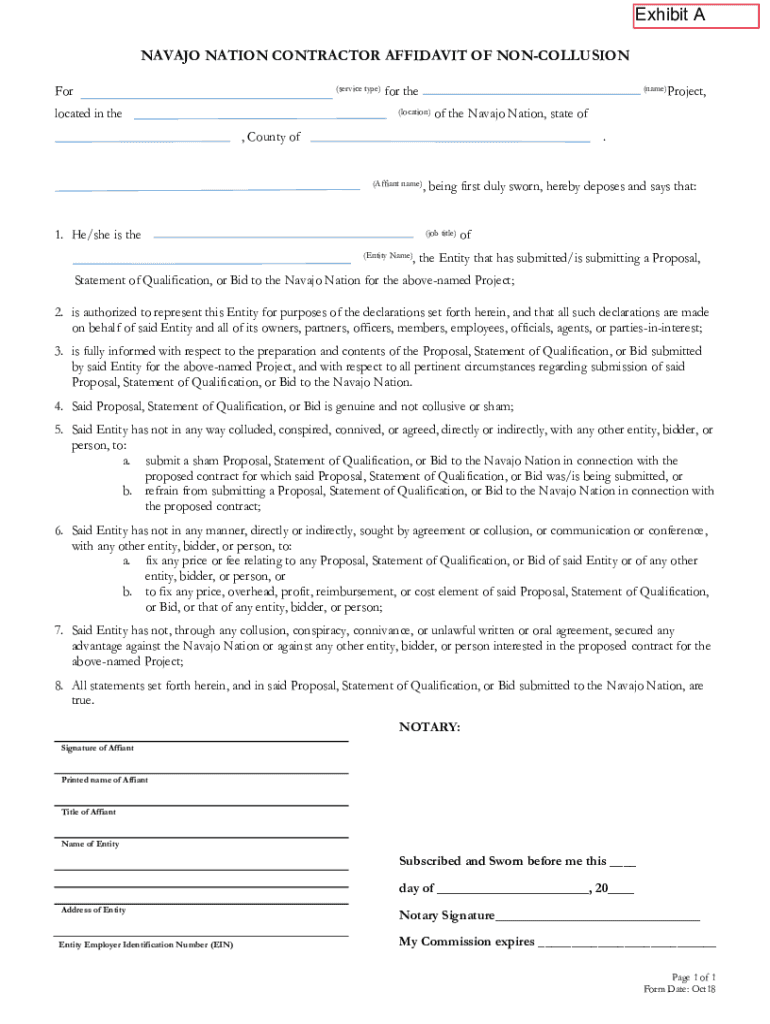
The Navajo Nation Department of Personnel Management (NNDPM) Request for Proposal (RFP) No 21-11-2617KS is a formal document issued to solicit proposals from qualified firms seeking to implement a Human Resources Management System (HRMS). The RFP outlines the specific requirements, criteria, and procedures for the proposal submission process. It serves as a comprehensive guide for vendors to develop proposals that align with the Navajo Nation's strategic objectives for enhancing HR functionalities.
Key Elements of the RFP
This RFP details several critical components to guide potential vendors:
- Scope of Work: Describes the necessary functionalities and integrations for the HRMS, emphasizing cloud-based solutions for enhanced accessibility and reduced redundancy.
- Evaluation Criteria: Outlines the standards by which proposals will be assessed, focusing on technical capabilities, cost-effectiveness, and vendor experience.
- Project Timeline: Includes schedules for implementation phases and deadlines for each deliverable.
How to Obtain the RFP
Vendors interested in responding to the RFP can access it through the official NNDPM website or request a copy via email from the Navajo Nation procurement office. Ensure to verify all issued amendments or addenda, which may update requirements or extend deadlines.
Steps to Complete the RFP
- Review the RFP Document: Carefully analyze the entire document, noting any specific instructions, requirements, and appendices.
- Prepare Required Information: Gather all necessary details, such as company background, technical proposal, and financial overview.
- Draft Proposal Sections: Compose sections addressing the scope of work, technical approach, project management plan, and budget.
- Attend Mandatory Meetings: Participate in any pre-bid meetings or webinars outlined in the RFP for additional insights.
- Submit Proposal: Ensure submission meets the format and deadline specified in the RFP.
Who Typically Uses the RFP
Primarily targeted at HR software development firms and technology consulting groups, this RFP invites organizations experienced in deploying large-scale HRMS solutions, especially those familiar with government or indigenous nation requirements.


Legal Use of the RFP
The RFP must be adhered to as a binding legal document during the proposal process. Any modifications or withdrawal of a proposal must comply with the conditions set forth within the RFP. Transparency and good faith are expected to prevent legal disputes.
Required Documents for Proposal Submission
- Technical Proposal: Introduction, approach, methodologies, and deliverables.
- Financial Proposal: Detailed cost breakdown and budget narrative.
- Compliance Documents: Include certifications, licenses, and proof of insurance where applicable.
- References and Experience: Document previous successful implementations of similar systems.
Filing Deadlines and Important Dates
Key milestones within the RFP process include the submission deadline for proposals, dates of any mandatory meetings, and timelines for evaluation and contract award announcements. It's crucial for vendors to track these dates to ensure compliance and consideration.
Penalties for Non-Compliance
Failure to comply with the submission guidelines or deadlines can result in disqualification from the process. Additionally, inaccuracies or misrepresentations in the proposal can lead to contract termination or legal consequences.
Business Types That Benefit Most
Vendors specializing in HR technology platforms, particularly those offering scalable and customizable solutions, will find this RFP aligns with their service offerings, enabling them to provide value to the Navajo Nation's HR department.