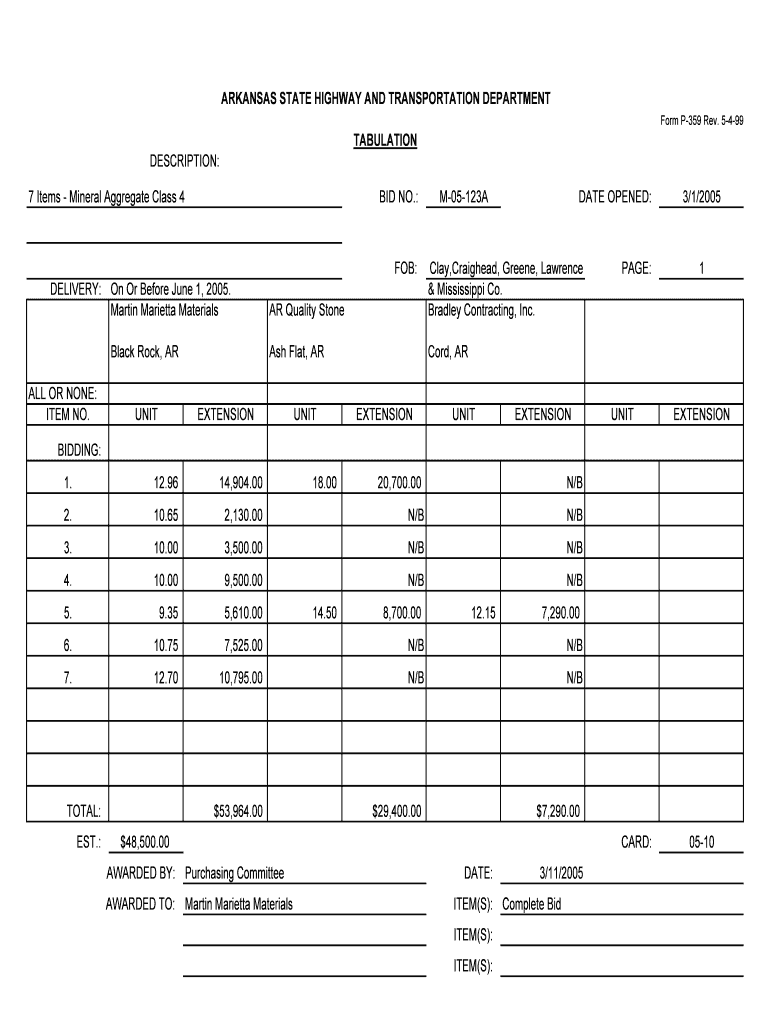







Definition and Meaning of Black Rock, AR
Black Rock, AR refers to a specific document associated with the city of Black Rock, Arkansas, which may contain vital information about local regulations, permits, or specific activities conducted within this geographic location. Understanding the content and intent of the Black Rock, AR document is essential for residents, businesses, and individuals engaging in contracts or legal activities within the region. This document serves as an important resource for ensuring compliance with local laws and understanding the administrative procedures applicable in Black Rock, Arkansas.
How to Use the Black Rock, AR Document
Proper utilization of the Black Rock, AR document requires understanding its structure and content. Here are the typical steps involved:
-
Identification: Determine the exact purpose and type of document needed, whether for legal, business, or personal use.
-
Review: Thoroughly read the documentation to understand the requirements and obligations detailed within.
-
Application: Apply the document in relevant scenarios by filling out necessary fields with accurate information.
-
Submission: Follow appropriate procedures outlined for submission, which may vary depending on the specific nature of the document.
-
Compliance: Ensure all actions taken are in strict alignment with the guidelines specified within the document.
Steps to Complete the Black Rock, AR Document
Completing the Black Rock, AR document involves several specific actions:
-
Gather Information: Collect all necessary personal, business, or legal information required.
-
Documentation: Ensure all supporting documents are valid and up-to-date for attachment if necessary.
-
Accurate Completion: Carefully fill in all fields of the document, checking for accuracy and completeness.
-
Validation: Verify entries with relevant authorities or legal advisors to prevent errors.
-
Submission: Submit the document through the designated channels as indicated, whether online, via mail, or in person.
Why You Should Utilize Black Rock, AR Documentation
Utilizing the Black Rock, AR documentation is crucial for several reasons:
-
Legal Compliance: Ensures adherence to local laws and regulations, thereby avoiding legal repercussions.
-
Record Keeping: Provides a detailed account of transactions, permits, or agreements, which is useful for reference.
-
Transparency: Enhances clarity in business or personal dealings, reducing the risk of miscommunications.
-
Community Engagement: Facilitates smooth interactions with local government officials and community stakeholders.
Key Elements of the Black Rock, AR Document
Understanding the key components is vital:
-
Purpose Statement: Clearly defines the intent of the document.
-
Identification Details: Specific fields to capture information like name, address, and relevant IDs.
-
Instructions: Step-by-step guidance on completing and submitting the document.
-
Terms and Conditions: Outlines the rules and obligations associated with the document.
State-Specific Rules for Black Rock, AR
The Black Rock, AR document may include Arkansas-specific legal stipulations:
-
State Regulations: Follows specific Arkansas statutes governing local and municipal transactions.
-
Local Ordinances: Includes unique city-level requirements that must be adhered to by residents and businesses.
-
Compliance Measures: Detailed processes for ensuring compliance with both state and local laws.
Examples of Using the Black Rock, AR Document
Real-world scenarios illustrating the document's use can provide clarity:
-
Business Licensing: A local shop owner uses the form to apply for a business license in Black Rock.
-
Permit Application: A contractor requires it to secure a building permit for construction projects.
-
Legal Proceedings: An attorney leverages the documentation for court filings relating to municipal matters.
Required Documents for the Black Rock, AR Submission
The submission process demands several associated documents:
-
Identification Proofs: Government-issued ID for personal verification.
-
Supporting Records: Financial statements, legal contracts, or prior approvals associated with form requirements.
-
Completed Forms: Ensure that forms are fully completed and verified before submission.