Definition and Purpose of the Arkansas Trailer Form
The Arkansas Trailer Form is a state-specific document designed to facilitate the registration and taxation of trailers within the state of Arkansas. This form is crucial for those who have purchased or plan to register a trailer, as it collects essential information needed for processing tax credits or rebates, particularly when dealing with the local sales or use tax applicable to the purchase of travel trailers. The form ensures that purchasers can accurately report and claim any tax rebates they are eligible for, especially when local taxes exceed the tax due on the first $2,500 of the sales price of a travel trailer. Given the specific regulations around the use of this form, it is a necessary tool for both documentation and compliance with Arkansas state tax laws.
Steps to Obtain the Arkansas Trailer Form
To acquire the Arkansas Trailer Form, you can start by visiting the official Arkansas Department of Finance and Administration (DFA) website. Here, you will find resources and contact information for obtaining the necessary forms directly online. Alternatively, you can visit a local DFA office to request a physical copy. It is important to ensure you are using the most recent version of the form to avoid errors in processing your trailer registration or tax rebate claim. If you prefer to have the form mailed to you, contact the DFA to request a copy, providing them with your mailing address and identifying details to assist with your request.
Detailed Instructions for Completing the Arkansas Trailer Form
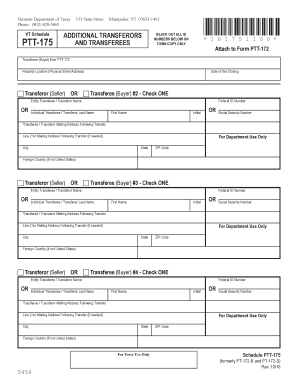
Filling out the Arkansas Trailer Form requires careful attention to detail to ensure accurate submission. Begin by entering your personal information, including your full name, address, and contact details. Next, provide detailed information about the trailer, including the make, model, vehicle identification number (VIN), and the purchase date.
-
Personal and Contact Information
- Ensure all personal and contact information is accurate and up-to-date.
-
Trailer Details
- Include precise details such as VIN, make, model, and any other identifying information.
-
Tax Information
- Indicate the sales price and any local tax paid. Ensure that you have accurate records to support your entries.
-
Claim for Rebate
- If applicable, detail the rebate being claimed and provide relevant certifications or receipts to demonstrate eligibility.
Legal Guidelines for Using the Arkansas Trailer Form
The Arkansas Trailer Form must be completed in compliance with state laws governing trailer registration and tax rebates. Ensure all information provided is truthful and accurate to avoid legal repercussions, including penalties for wrongful claims. The form serves as an official record and must be submitted within the deadlines specified by the Arkansas Department of Finance and Administration to ensure timely processing. Misuse or falsification of this form can result in significant penalties, including fines or legal action. Be sure to check any updates to Arkansas state laws that may affect the form's use or submission requirements.
Who Typically Uses the Arkansas Trailer Form
This form is generally used by individuals and businesses purchasing or owning trailers subject to Arkansas taxation. This includes private individuals who buy trailers for personal use, businesses involved in logistics and transport that require fleet registration, and dealers who manage the sale and lease of trailers. Understanding who commonly uses this form can help in ensuring all necessary information is captured correctly, providing a smoother registration or rebate process.


Important Terms Related to the Arkansas Trailer Form
Understanding the terminology associated with the Arkansas Trailer Form is essential for accurate completion. Key terms include:
- Vehicle Identification Number (VIN): A unique code assigned to every vehicle, crucial for identification.
- Sales Price: The total purchase cost of the trailer before taxes.
- Local Sales Tax: Tax imposed by local jurisdictions, which may be eligible for a rebate if it exceeds state tax limits.
- Rebate Claim: The process by which an individual or business can seek a repayment of taxes paid beyond the state’s statutory threshold for trailers.
State-Specific Rules for the Arkansas Trailer Form
Arkansas has specific rules that must be adhered to when completing and submitting the Trailer Form. These include precise definitions of what constitutes a trailer and the taxation rates applied. The state mandates that rebates are applicable only under certain conditions, such as when taxes exceed specific thresholds. It is imperative to remain updated on any amendments to these rules to ensure compliance and successful rebate claims. Submitting inaccurate information due to a misunderstanding of state rules can lead to delays or denial of registration and rebate applications.
Key Elements and Required Documents for the Arkansas Trailer Form
To complete this form accurately, you must gather several key documents and ensure all form elements are filled in properly:
-
Sales Receipt or Purchase Agreement:
- Provides proof of purchase and demonstrates the sales price and date.
-
Identification Documents:
- A valid driver’s license or government-issued ID to verify personal details.
-
Trailer Documentation:
- Include any certification required by the state, such as registration certificates or proof of local tax payments.
Ensuring you have these documents ready will streamline the form completion process, helping to avoid common errors and rejections.
Penalties for Non-Compliance with the Arkansas Trailer Form
Non-compliance with the requirements when using the Arkansas Trailer Form can result in significant penalties. These may include monetary fines, denial of rebate claims, or the need to re-submit documentation, causing delays. It is important to provide accurate, truthful information and adhere to all procedural requirements, such as filing deadlines, to avoid potential legal repercussions. Make sure to double-check all information for accuracy before submission to mitigate risks associated with non-compliance.