
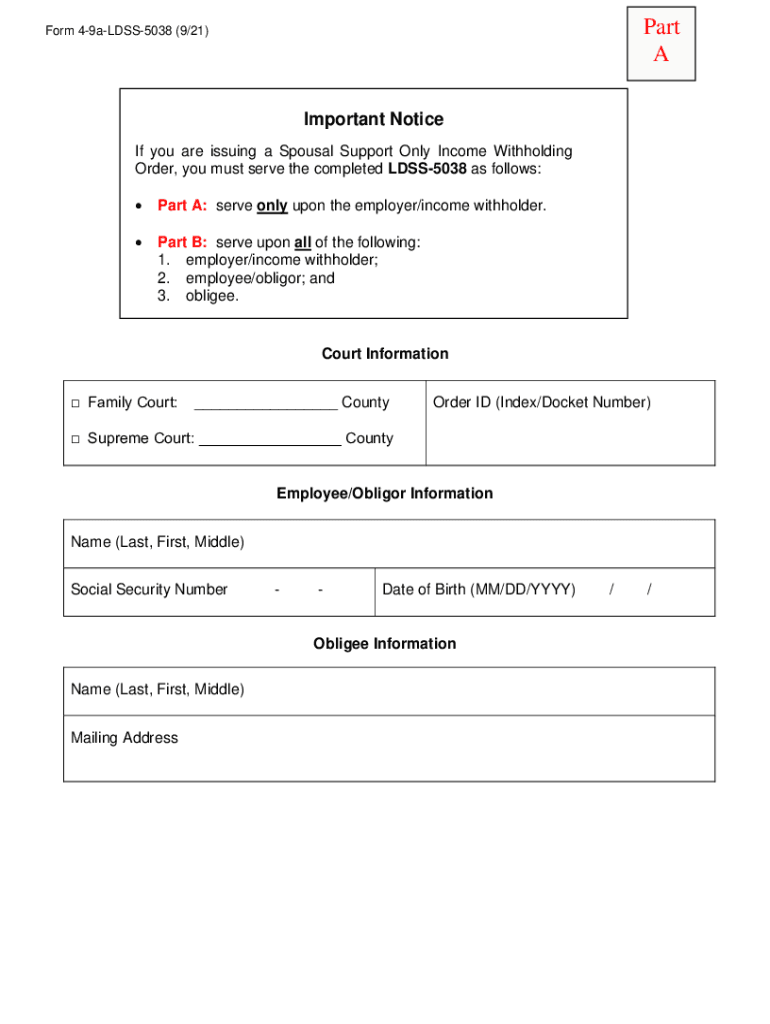







Definition and Meaning
The "Additional Orders and Notice to Parties" in Wood County, Ohio, is a legal document used in various court proceedings. Primarily, it serves to communicate court rulings, procedural orders, and additional instructions mandated by the court. This form ensures that all parties involved in a case are aware of the court's requirements and any additional measures they must comply with. Given its legal nature, this document functions to maintain transparency and clarity in court processes, making it essential for managing legal obligations effectively.
In the context of civil, criminal, or family law cases, the document typically outlines specific actions required by the court. This can include compliance deadlines, evidence submission dates, and any court-mandated actions. As it forms an integral part of the legal process, understanding its nuances is crucial for legal professionals, plaintiffs, and defendants alike.
Key Elements of the Additional Orders and Notice to Parties
The document contains several critical components that parties must adhere to:
- Court Orders: Specific directives issued by the court that must be followed, such as restraining orders or financial remittance instructions.
- Party Notifications: Detailed information regarding the obligations of each party involved in the case, including timelines and procedures for compliance.
- Dates and Deadlines: Clear instructions about important dates, such as hearing dates or submission deadlines, which ensure all parties are prepared in time.
- Court Details: Information about the court including location, judge’s name, and contact information to facilitate communication and compliance.
These elements work together to create a structured and clear communication channel between the court and involved parties, thus aiding in the proper administration of justice.
Steps to Complete the Additional Orders and Notice to Parties
Filling out this form requires careful attention to detail:
- Gather Required Information: Collect all necessary details about the case, including court case number, names of parties involved, and relevant dates.
- Fill Court Details: Accurately complete the section with details about the specific court handling the case.
- Review Court Orders: Read through the court orders carefully to ensure full understanding and compliance.
- Check Party Notifications: Ensure that all parties understand their obligations and responsibilities as outlined in the notice.
- Sign and Date: Sign and date the form as it may be required to acknowledge receipt and understanding.
Meticulous completion of this form ensures that all legal stipulations are met and helps prevent misunderstandings or delays in the legal process.
Important Terms Related to Additional Orders and Notice to Parties
Understanding specific terminology within the document is vital:
- Plaintiff and Defendant: Parties involved in a lawsuit; plaintiffs initiate the lawsuit, while defendants respond.
- Motion: A formal request made to the court for a specific action or order.
- Compliance: Adhering to the rules and orders specified by the court.
- Subpoena: A legal order requiring someone to attend court or produce documents.
These terms provide a foundation for comprehending the legal aspects of this document, aiding in effective participation in legal proceedings.
Legal Use of the Additional Orders and Notice to Parties
This document is legally binding and plays a crucial role in the judicial process:
- Enforcement of Orders: Legal actions, such as fines or penalties, can result from failure to comply with the orders.
- Evidence of Notification: Serves as proof that parties have been adequately informed of their responsibilities and court orders.
- Facilitation of Justice: Ensures all legal processes are followed, minimizing confusion or non-compliance.
Legal representation often assists in interpreting and implementing this form to ensure adherence to all specific court orders and legal mandates.
State-Specific Rules for the Additional Orders and Notice to Parties
While the form applies broadly, specific provisions need consideration:
- Ohio Legal Requirements: Conforming to Ohio state laws, which may include jurisdiction-specific procedures and state court rules.
- Local Court Regulations: Variations may exist based on the specific court within Wood County, reflecting local procedural differences.
- Documentation Standards: Compliance with Ohio’s documentation standards for legal forms and submissions.
Staying informed about these state-specific rules ensures the form is properly utilized and compliant with local jurisdictional requirements.
Examples of Using the Additional Orders and Notice to Parties
Many real-world scenarios illustrate its use:
- Domestic Disputes: Used in family courts to issue restraining orders or custody instructions.
- Business Litigation: Parties in a commercial dispute might receive additional orders about document production or mediation participation.
- Criminal Cases: Could order compliance with rehabilitation programs or restraining orders.
These examples underscore the form's pivotal role across various legal actions, promoting orderly proceedings.
Penalties for Non-Compliance
Non-compliance with the form can result in significant penalties:
- Fines and Sanctions: Courts may levy financial penalties for disregarding orders.
- Contempt of Court: Severe violations may lead to being held in contempt, which could involve further legal actions or incarceration.
- Case Dismissal or Delay: Failure to comply might lead to dismissal of claims or delays in resolving the case.
Understanding these consequences emphasizes the importance of following the orders and instructions laid out in this document to avoid further legal complications.


