01. Edit your form online
Type text, add images, blackout confidential details, add comments, highlights and more.

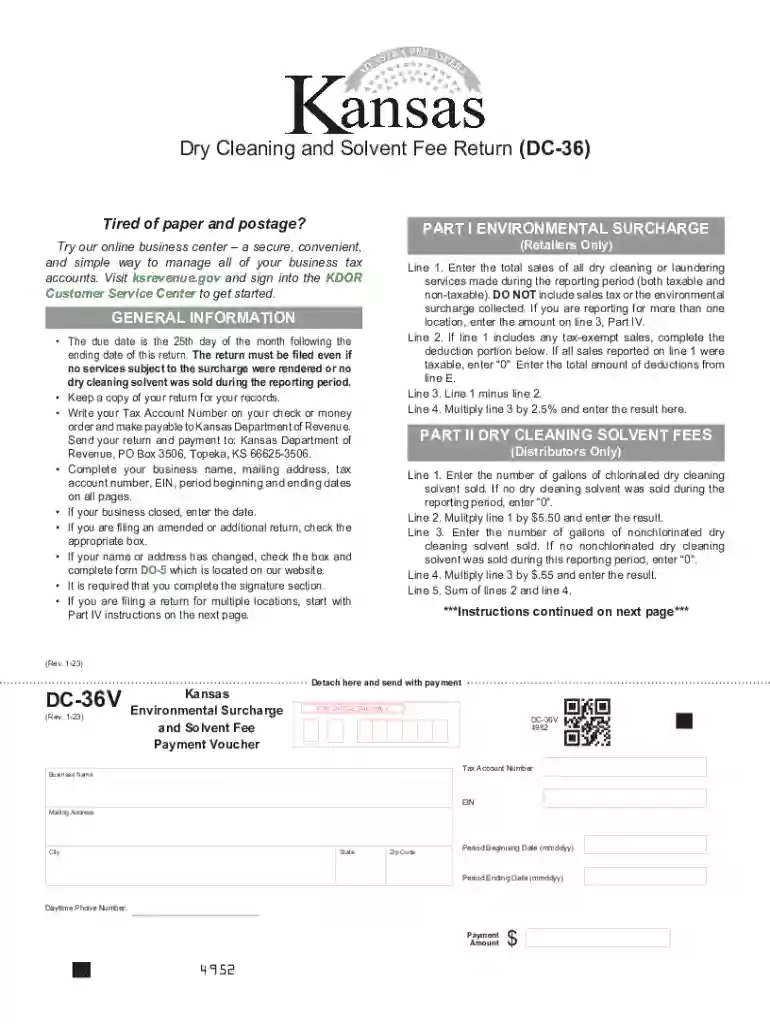
Type text, add images, blackout confidential details, add comments, highlights and more.

Draw your signature, type it, upload its image, or use your mobile device as a signature pad.

Send it via email, link, or fax. You can also download it, export it or print it out.
The Pub KS-1540 document is an essential resource for businesses in the hospitality industry, such as hotels, motels, and restaurants, operating in Kansas. It provides comprehensive guidelines on the various business taxes they are required to manage, including intricacies of tax collection, submission processes, and tax exemptions specific to the state of Kansas. Understanding this guide helps businesses navigate the complexities of tax obligations and avoid legal and financial pitfalls.
Businesses can utilize this guide to ensure compliance with Kansas tax laws, streamline operations, and implement best practices for tax management. The guide's detailed instructions allow businesses to manage their finances efficiently.
Several critical sections within Pub KS-1540 address the main components of tax obligations, providing in-depth knowledge for users to manage compliance efficiently.
The Pub KS-1540 document contains several specialized terms that are crucial for proper understanding and compliance.
Successfully completing the form requires attention to detail and a clear understanding of each section.
Different taxpayer situations can affect how the Pub KS-1540 form applies.


Awareness of filing deadlines is critical for compliance and avoiding penalties.
Failure to adhere to the guidelines in Pub KS-1540 can lead to significant penalties.
Different business structures have distinct tax responsibilities outlined in Pub KS-1540, essential for determining tax obligations.
We've got more versions of the Pub KS-1540 Business Taxes for Hotels Motels and Restaurants Rev 10-24 form. Select the right Pub KS-1540 Business Taxes for Hotels Motels and Restaurants Rev 10-24 version from the list and start editing it straight away!
At DocHub, your data security is our priority. We follow HIPAA, SOC2, GDPR, and other standards, so you can work on your documents with confidence.