




01. Edit your form online
Type text, add images, blackout confidential details, add comments, highlights and more.

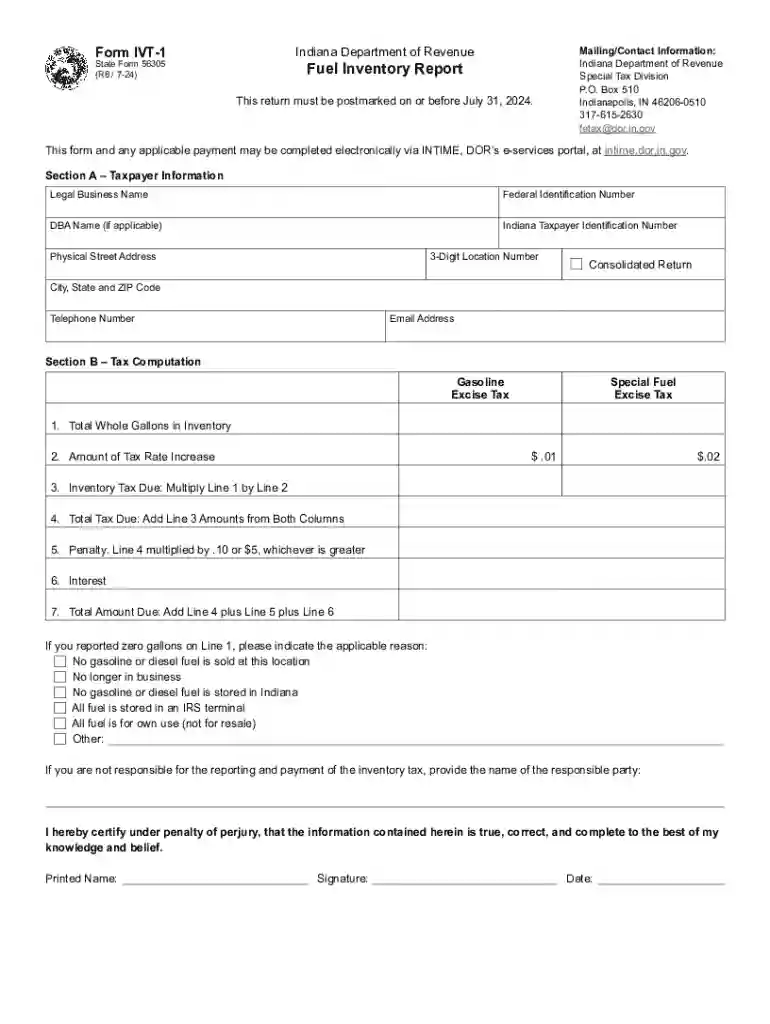
Type text, add images, blackout confidential details, add comments, highlights and more.

Draw your signature, type it, upload its image, or use your mobile device as a signature pad.

Send it via email, link, or fax. You can also download it, export it or print it out.
Payroll tax in Indiana refers to the mandatory state-specific taxes employers are required to withhold from employees' wages. It encompasses both federal and state taxes, with the former including income tax, Social Security, and Medicare deductions, and the latter typically covering the state's income tax. Employers must ensure precise calculation, withholding, and remittance of these taxes to comply with Indiana tax laws.
Employers should regularly calculate payroll taxes based on employees' earnings and remit these taxes to the appropriate tax bodies. The process involves determining the correct tax rate and deductions, handling the tax withholdings for state and federal obligations, and filing the necessary documents to reflect these transactions accurately. It's crucial for the payroll department to stay informed about any changes to tax rates or regulations to maintain compliance.
Indiana has unique regulations concerning payroll tax which require employers to adhere to specific withholding criteria. The state mandates the use of the Indiana Withholding Tax Tables to calculate the appropriate deductions. Additionally, Indiana allows for voluntary supplemental withholding at different rates, which employers can choose to apply. This often changes annually based on state economic conditions and legislative updates.
Payroll taxes in Indiana must be remitted on a schedule that aligns with the federal deadlines but with specific state adjustments. Typically, Indiana requires monthly or quarterly filings. Employers should be mindful of key deadlines such as January 31 for annual reconciliations using the WH-3 form and timely deposit schedules for withholding payments.
Employers need to ensure they have the following documentation:
Non-compliance with Indiana payroll tax regulations can lead to significant fines and penalties for employers. Common penalties include fees for late filing or payment, incorrect calculations, and failing to provide requisite documentation. Indiana may impose interest charges on overdue taxes and financial penalties for underreported payroll taxes.
Knowing payroll tax requirements in Indiana benefits varied business types, including:
Many businesses use software such as QuickBooks and TurboTax for managing payroll tax responsibilities. These tools facilitate tax calculations, form submissions, and provide updates on regulatory changes. When using such software, it’s crucial to ensure state-specific configurations are correctly applied to align with Indiana’s regulations. This compatibility guarantees accurate accounting and filing of taxes.
We've got more versions of the Payroll tax in Indiana: What employers need to know form. Select the right Payroll tax in Indiana: What employers need to know version from the list and start editing it straight away!
At DocHub, your data security is our priority. We follow HIPAA, SOC2, GDPR, and other standards, so you can work on your documents with confidence.
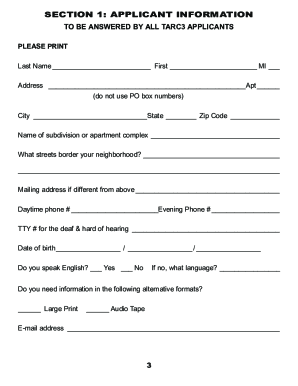
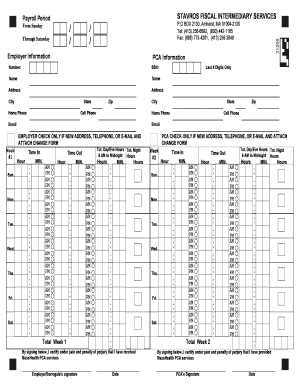
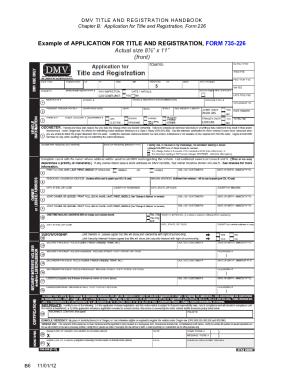



At the end of each year, all Indiana employers are required to complete and file Form WH-3, Annual Withholding Reconciliation Form, by Jan. 31 of the followingRead more
To register for withholding in Indiana, the business must have an Employer Identification Number (EIN) from the federal government. In addition, the employerRead more


