







Definition & Meaning
A "report on environmental impacts of an investment project - European" is a formal document used to assess the potential environmental effects of a proposed investment project within Europe. This report analyzes various environmental aspects such as air quality, noise pollution, and impact on local fauna and flora. It serves as a critical tool for decision-makers to evaluate whether a project complies with environmental regulations and to identify measures to mitigate negative impacts.
Importance of This Report
- Helps in identifying environmental risks and opportunities early.
- Provides a comprehensive analysis necessary for regulatory approvals.
- Assists in ensuring projects are in line with sustainable development efforts.
How to Use the Report
Using the report involves reviewing detailed assessments provided within it to make informed decisions about the investment project. Individuals responsible for managing or conducting the project can utilize findings to modify project plans, ensure compliance with regulations, and implement mitigation strategies effectively.
Steps to Utilize the Report
- Review All Sections: Thoroughly examine each part of the report, focusing on key environmental impacts and recommendations.
- Implement Recommendations: Develop plans to incorporate suggested measures to minimize identified impacts.
- Monitor and Update: Continuously monitor environmental conditions against the report’s projections and update strategies accordingly.
Key Elements of the Report
The report comprises crucial components that analyze the environmental impact thoroughly. These elements ensure all aspects of the environment potentially affected by the project are scrutinized.
Main Components
- Air Quality Assessment: Analysis of potential emissions and effects on air quality.
- Noise Level Assessment: Evaluation of noise pollution resulting from project activities.
- Biodiversity Impact: Examination of the project's impact on local wildlife and vegetation.
- Waste Management Plans: Strategies to handle, reduce, and recycle waste produced by the project.
Legal Use of the Report
The legal implications involved in the utilization of this report are significant, as it ensures compliance with both European and local environmental regulations and laws. This documentation is typically mandatory for obtaining project approvals.
Compliance Requirements
- Regulatory Approvals: Essential for meeting the criteria set by environmental regulatory bodies.
- Mitigation Commitments: Legal obligation to follow through with the mitigation strategies outlined.
Who Typically Uses the Report
Typical users of the "report on environmental impacts of investment project - European" range from government agencies to private sector stakeholders who are involved in the planning and implementation of investment projects.


Primary Stakeholders
- Project Developers: Utilize information to guide project design and execution.
- Regulatory Authorities: Review reports to grant necessary permits and licenses.
- Environmental Consultants: Conduct assessments and help develop the report.
How to Obtain the Report
Obtaining the report typically involves coordination among different stakeholders, including hiring qualified environmental consultants or specialists who prepare the detailed analysis.
Steps to Acquire the Report
- Identify Consultants: Engage a certified environmental assessment consultant.
- Data Collection: Gather data on the proposed project site and activities.
- Assessment Authorization: Obtain necessary permissions to conduct the environmental assessment.
- Report Preparation: Complete the detailed assessment and compile the report.
Steps to Complete the Report
Completing the report involves a series of defined steps encompassing data collection, analysis, and report compilation, often undertaken by environmental specialists.
Completion Process
- Initial Site Assessment: Conduct preliminary assessments to gather baseline data.
- Impact Analysis: Evaluate potential impacts during each phase of the project lifecycle.
- Drafting: Write a draft report covering all significant assessments and recommendations.
- Review and Revise: Conduct internal and external reviews and make necessary revisions.
Examples of Using the Report
Real-world applications of this report showcase its utility in diverse scenarios, demonstrating its role in fostering environmentally responsible investment projects.
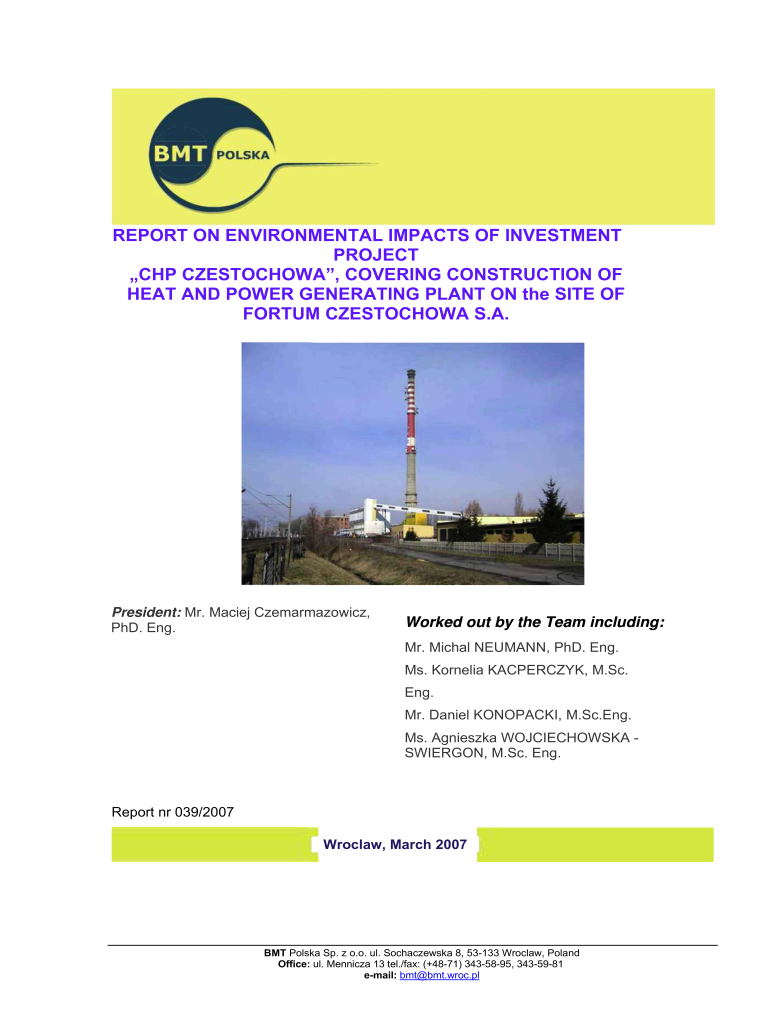
Case Study: CHP Czestochowa
- Project Background: Construction of a heat and power plant.
- Report Use: Assessment showed the new fluidized bed boiler would reduce emissions significantly, influencing design decisions.
- Outcome: Air quality improvements and project approval based on compliance with environmental regulations.




