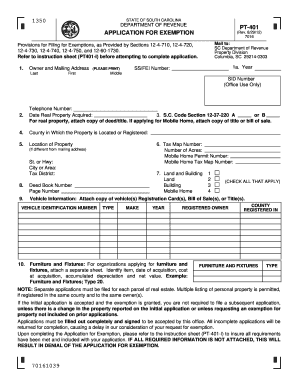
01. Edit your occupational therapy referral form template online
Type text, add images, blackout confidential details, add comments, highlights and more.

Type text, add images, blackout confidential details, add comments, highlights and more.

Draw your signature, type it, upload its image, or use your mobile device as a signature pad.

Send occupational health referral via email, link, or fax. You can also download it, export it or print it out.
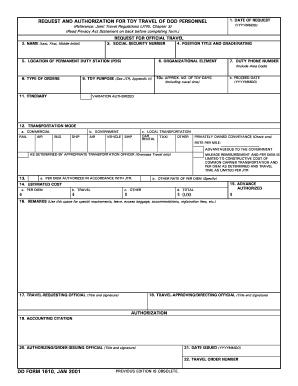
The occupational health referral form is a structured document used by employers, health professionals, and employees to facilitate the referral process to occupational health services. It serves as a critical communication tool within workplaces, particularly in sectors like manufacturing, healthcare, and construction, where employees may face health and safety risks. The form captures important health-related information and helps streamline the assessment and support process for employees affected by work-related health issues.
Typically, these forms include sections for employee identification, job role, health concerns, and the specific reasons for the occupational health referral. The ultimate goal is to ensure that necessary medical evaluations are conducted to determine the employee's fitness for work, identify any necessary workplace adjustments, and support their health and well-being.
To effectively utilize an occupational health referral form, both employers and employees should follow certain protocols:
Identify the Need: Recognize situations where an occupational health referral is necessary. Common scenarios include prolonged absence due to illness, incidents resulting in injury, or the need for a workplace adjustment.
Complete the Form: The employer or designated health professional completes the form, ensuring all relevant sections are filled out accurately. This includes basic employee information, details of the health concern, and any relevant medical history or treatment notes.
Consultation and Consent: Employee consultation is crucial. The employee should be informed about the purpose of the referral, and their consent should be obtained before the form is submitted to occupational health services.
Submission and Follow-Up: Submit the completed form to the occupational health provider per company protocol. Ensure there is a follow-up process in place to discuss outcomes and recommendations with the employee.
Filling out an occupational health referral form requires careful attention to detail:
Employee Details: Begin by entering the employee's name, employee ID, contact information, and position within the company. This information ensures that the health assessment aligns with the employee's specific job role and responsibilities.
Reason for Referral: Clearly specify the reasons why the referral is being made. This could include recurrent illness, return-to-work assessments, injury evaluations, or fitness for specific tasks.
Health Concerns: Describe the health issues or symptoms prompting the referral, including any relevant work incidents or pre-existing conditions that may impact the employee's abilities.
Job Description: Provide a summary of the employee’s job duties. This context helps healthcare providers understand potential environmental or physical factors affecting the worker's health.
Manager's Observations: Include any observations or concerns noted by the employee's manager. This could involve performance issues or changes in behavior that may be health-related.
Additional Information: Attach relevant medical reports, attendance records, or past referral outcomes to provide a comprehensive health picture.
Employee Consent and Signature: Secure the employee's signature to document their consent for the referral as well as the sharing of necessary health information with occupational health practitioners.
A well-constructed occupational health referral form typically contains multiple key elements:
Understanding specific terms is essential when dealing with occupational health:
The occupational health referral form is utilized by various individuals within a workplace:


The significance of occupational health referrals lies in their ability to:
Compliance with the ethical and legal standards is paramount:
Complete adherence to legal standards protects both the employee’s rights and the employer from potential legal challenges.
We've got more versions of the occupational therapy referral form template form. Select the right occupational therapy referral form template version from the list and start editing it straight away!
| Versions | Form popularity | Fillable & printable |
|---|---|---|
| 2013 | 4 Satisfied (38 Votes) |
At DocHub, your data security is our priority. We follow HIPAA, SOC2, GDPR, and other standards, so you can work on your documents with confidence.