




01. Edit your form online
Type text, add images, blackout confidential details, add comments, highlights and more.

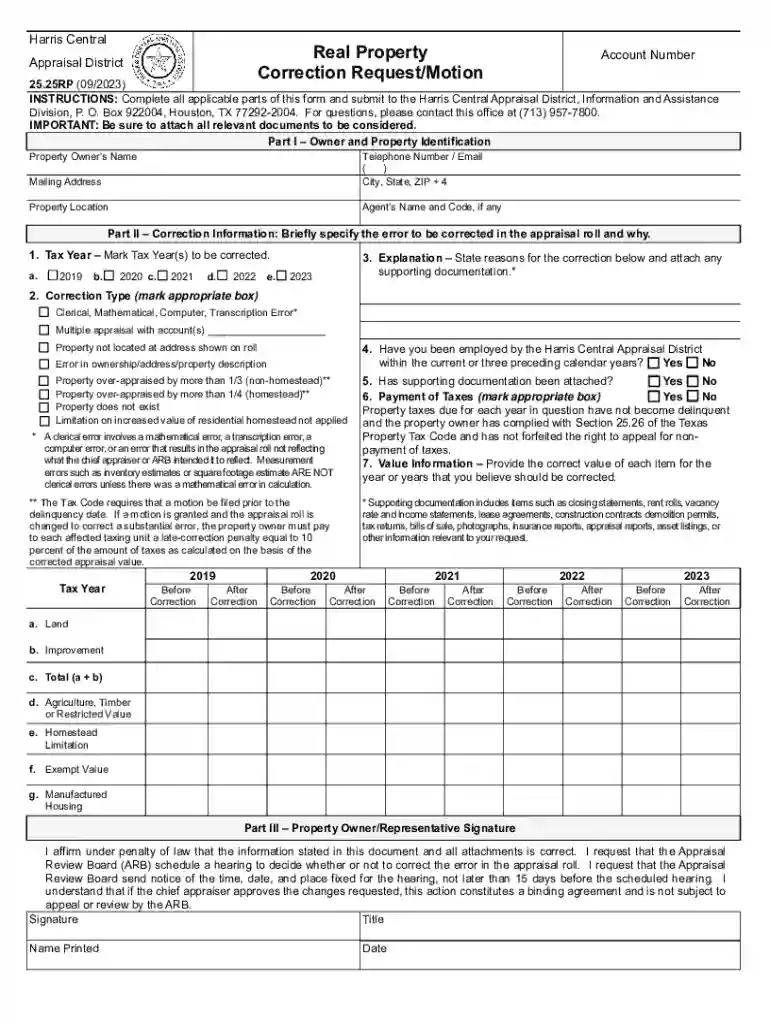
Type text, add images, blackout confidential details, add comments, highlights and more.

Draw your signature, type it, upload its image, or use your mobile device as a signature pad.

Send it via email, link, or fax. You can also download it, export it or print it out.
Business Personal Property forms are documents used by business owners to declare tangible assets associated with their business operations. These forms are typically required by state or local governments for tax assessment purposes. The assets reported can include machinery, equipment, furniture, and other physical items that contribute to the business's function and value. These forms help in determining the property tax liability for a business and ensure compliance with local taxation laws. It's crucial for businesses to accurately complete these forms to reflect their asset values, avoiding both underreporting and overreporting, which can lead to penalties or overpayment of taxes.
Gather Necessary Information: Collect all relevant documents such as purchase receipts, asset ledgers, and previous tax filings. This information is critical for accurately reporting the value and classification of business assets.
Identify Assets: List all tangible personal property used in your business. This includes office furniture, computers, machinery, and inventory. Classify each item by type and function.
Determine Asset Values: Calculate the cost of each asset and account for depreciation. Use original purchase prices and apply depreciation schedules as recommended by your state or jurisdiction.
Fill Out the Form: Enter all information into the required fields on the form. Make sure to provide an accurate description, acquisition date, and value for each asset.
Review and Verify: Double-check all entries for accuracy. Ensure that the sum of individual asset values reflects the overall business asset total correctly.
Submit the Completed Form: Follow the submission instructions, which may include mailing the form or filing it online through a designated government portal.
To complete the Business Personal Property form accurately, collect:
Failure to properly complete and submit Business Personal Property forms can result in several penalties:
This form is generally used by business entities such as:
Each jurisdiction may have specific deadlines. Typically, these forms are due annually, aligning with the local property tax assessment calendar. Filing on time is crucial to avoid penalties, and businesses should check with their local tax authority for exact due dates and any changes to usual schedules.
Businesses must comply with specific state or local rules concerning Business Personal Property forms. Differences can include:
Understanding and adhering to these guidelines is critical for accurate and compliant form submission. Businesses are encouraged to consult their local tax offices to ensure conformity with local laws.
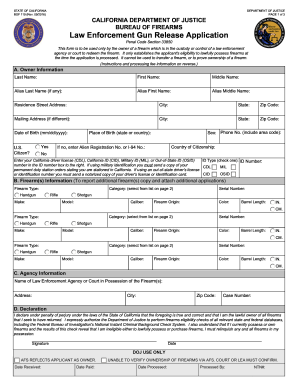
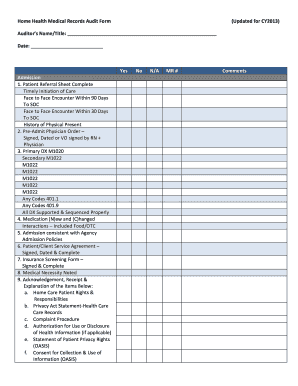
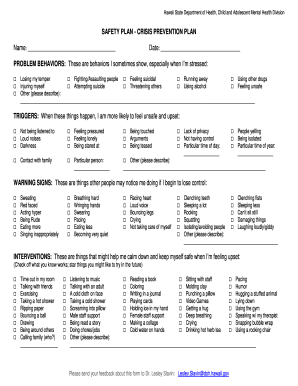
We've got more versions of the How To Complete Your Business Personal Property form. Select the right How To Complete Your Business Personal Property version from the list and start editing it straight away!
At DocHub, your data security is our priority. We follow HIPAA, SOC2, GDPR, and other standards, so you can work on your documents with confidence.


It is best to file using your Federal Employer Identification Number (FEIN). Keep your businesss mailing address updated which is easy to do using MyDORWAY.Read more
Aug 18, 2017 The only way to verify Business Personal Property listing and assessment is through a compliance program. As said, it should be a program thatRead more


