






Definition and Purpose of Wisconsin Real Estate Forms
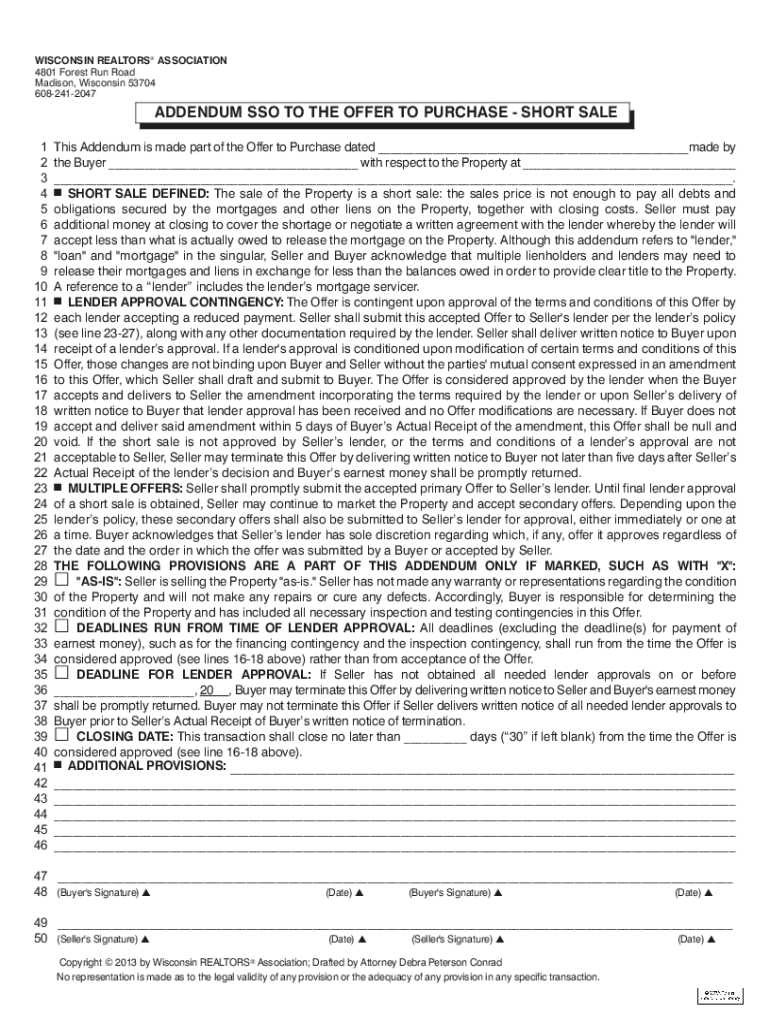
Wisconsin Real Estate Forms serve as legal documents used in property transactions within the state of Wisconsin. These forms facilitate various stages of real estate transactions, including offers to purchase, disclosure agreements, and addenda for specific property conditions or contingencies. They are essential for ensuring that all parties involved in a transaction have a clear understanding of their rights and obligations.
Key Features of Wisconsin Real Estate Forms
- Customizable Fields: The forms are designed to accommodate various transaction types and property conditions, offering customizable fields for specific details.
- Legal Compliance: They adhere to state laws and regulations, ensuring that all transactions conform to legal standards in Wisconsin.
- Comprehensive Coverage: These forms cover a wide range of real estate transactions, from residential sales to commercial lease agreements, providing flexibility for different needs.
How to Use Wisconsin Real Estate Forms
Utilizing Wisconsin Real Estate Forms involves several steps to ensure proper completion and submission. These forms are available online and can be filled out electronically for convenience.
Step-by-Step Guide
- Access the Forms: Start by downloading the necessary forms from a reliable platform like DocHub. They can be filled online or printed for manual completion.
- Fill in the Details: Enter all required information, including party names, property details, payment terms, and contingencies. Ensure accuracy and completeness to avoid future disputes.
- Review and Verify: Carefully review the completed form to confirm all information is correct and legally binding.
- Signatures and Dates: Sign the document electronically or manually, as required, and ensure all parties involved do the same. This step is crucial for the document's enforceability.
- Submit the Form: Submit the completed form according to the instructions provided, whether it's online submission, mailing, or in-person delivery.
How to Obtain Wisconsin Real Estate Forms
Wisconsin Real Estate Forms can be obtained from various sources, ensuring accessibility for individuals and businesses involved in real estate transactions.
Sources for Acquisition
- Legal and Real Estate Websites: Platforms like DocHub offer downloadable forms suitable for online editing and completion.
- Real Estate Agencies: Many agencies provide these forms as part of their service package to clients.
- Professional Associations: Organizations such as the Wisconsin Realtors Association offer standard forms for members.
Steps to Complete Wisconsin Real Estate Forms
Completing Wisconsin Real Estate Forms requires attention to detail to ensure that they meet legal standards and accurately reflect the transaction.
Detailed Process
- Gather Required Information: Collect all necessary data about the property and parties involved, including identification details and property descriptions.
- Understand the Form Requirements: Familiarize yourself with the specific requirements of each form to ensure that all sections are addressed properly.
- Accurate Input: Carefully enter the details, adhering to any instructions or guidelines specified on the form.
- Consult Professionals: For complex transactions, consider consulting a legal or real estate professional to review and assist with form completion.
Why Use Wisconsin Real Estate Forms
Wisconsin Real Estate Forms are vital tools for anyone engaging in property transactions within the state. They offer several benefits that simplify the process and protect all parties involved.
Benefits of Using the Forms
- Legal Protection: They provide a legally binding framework that upholds the rights and responsibilities of each party.
- Streamlined Transactions: Standardized forms expedite the transaction process by reducing the need for custom agreements.
- Clarity and Transparency: Clearly defined terms promote transparency, reducing misunderstandings and potential conflicts.
Who Typically Uses Wisconsin Real Estate Forms
These forms are utilized by a wide range of individuals and entities involved in the real estate market.
Common Users
- Real Estate Agents and Brokers: Professionals who facilitate buying and selling of properties rely on these forms for transactions.
- Property Buyers and Sellers: Individuals engaging in property transactions use these forms to outline and agree upon sale conditions.
- Legal Professionals: Attorneys and legal advisors involved in real estate deals utilize these forms to ensure compliance with legal norms.


Important Terms Related to Wisconsin Real Estate Forms
Understanding the terminology associated with Wisconsin Real Estate Forms is essential for proper completion and utilization.
Key Terms
- Contingency: A condition that must be met for the contract to be binding.
- Addendum: An addition to the primary contract that details specific conditions or provisions.
- Earnest Money: A deposit made to signify genuine interest in purchasing a property.
Legal Use of Wisconsin Real Estate Forms
The legal use of Wisconsin Real Estate Forms ensures that transactions are conducted within the framework of state laws.
Compliance Aspects
- Adhering to State Regulations: The forms must be completed in accordance with Wisconsin real estate laws to be valid.
- Document Retention: Keep copies of all completed forms for future reference, as required by legal standards for property transactions.
Key Elements of Wisconsin Real Estate Forms
Each form requires specific elements to be present for it to be effective and enforceable.
Essential Components
- Property Description: Detailed description of the property in question, including address and legal identifiers.
- Financial Terms: Outline of the purchase price, payment structure, and any financial contingencies or obligations.
- Signatures of Parties: Necessary for validation, signatures from all parties must be included and dated.
State-Specific Rules for Wisconsin Real Estate Forms
Wisconsin has its own set of rules and guidelines governing real estate transactions, which are reflected in these forms.
State Guidelines
- Disclosure Requirements: Sellers must disclose certain information about the property condition, title issues, and other relevant factors.
- Offer and Acceptance Protocols: Specific timeframes and procedures for making and accepting offers are outlined to ensure fair dealings.