



01. Edit your habitability inspection online
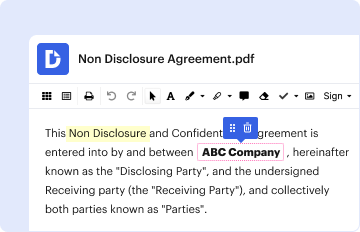
Type text, add images, blackout confidential details, add comments, highlights and more.

Type text, add images, blackout confidential details, add comments, highlights and more.
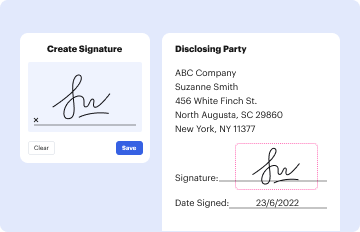
Draw your signature, type it, upload its image, or use your mobile device as a signature pad.

Send habitability inspection houston via email, link, or fax. You can also download it, export it or print it out.
The "city of houston habitability" inspection process is a crucial multi-family housing standard in Houston, Texas. It outlines the necessary compliance checks that properties must undergo to ensure they meet safety and living condition standards. The inspection assesses risks related to structural integrity, electrical systems, plumbing, and swimming pools. It plays a vital role in safeguarding tenant safety and maintaining quality of life. By identifying deficiencies, this process mandates remedial actions, ensuring properties align with legal and safety standards. Overseeing these inspections helps protect tenants from potentially hazardous living conditions and gives property owners an official guideline to follow.
Utilizing the city of Houston habitability process involves engaging with detailed inspections often required for multi-family residential properties. Property owners or managers need to arrange for the inspections through the local housing authority or relevant department. These inspections typically involve a comprehensive review of the property’s physical structure, electrical, and plumbing systems, and any shared amenities, such as swimming pools. Preparing for the inspection involves regular maintenance and addressing any obvious or reported deficiencies before the inspector's visit. Understanding these procedures not only ensures compliance but also supports a safer living environment for tenants.
Obtaining a habitability certification in Houston involves applying through the appropriate city department, often the housing inspection division. Property owners need to submit an application along with the necessary documentation, which may include property blueprints, previous inspection reports, and proof of ownership. Once application materials are reviewed, an inspection date is scheduled, and the property is assessed against predefined safety and livability criteria. Successfully meeting these criteria results in obtaining a habitability confirmation, whereas failing requires the property owner to address any listed deficiencies followed by a re-inspection.
Application Submission: Start by submitting the required application form to the appropriate city department.
Prepare for Inspection: Conduct an internal assessment to identify potential areas of non-compliance and address them.
Schedule the Inspection: Work with city officials to set an appointment for the official inspection.
Inspection Day: Accompany the inspector as they assess the property's various aspects, including safety and structural elements.
Receive Inspection Report: After inspection, you'll receive a report detailing compliance status and any required remedial actions.
Correct Identified Issues: If there are deficiencies, make the necessary corrections before scheduling a follow-up inspection.
Final Approval: Obtain the habitability confirmation once the property meets all required standards.
The key elements of the city of Houston habitability cover several critical areas:
Each of these elements plays a role in determining whether a property is deemed habitable under city regulations, providing vital benchmarks for compliance.
The habitability standards outlined by Houston’s inspection process hold a legal framework, designed to protect both tenants and property owners by ensuring living spaces are safe and livable. This process helps enforce local building codes and housing standards, aligning with broader public health and safety laws. Legal adherence to habitability standards reduces litigation risks tied to tenant safety and health issues, maintaining the landlord’s and city's reputation. Non-compliance may result in fines, penalties, or legal proceedings, making understanding these obligations critical for property managers and landlords.
Houston's habitability requirements fit within broader Texas state regulations, but there are localized specificities. The city may impose stricter safety standards related to natural disaster preparedness, unique to Houston's geographic and environmental conditions. These can include enhanced flood resistance measures or compliance with structural standards post-natural events. Understanding these localized rules is essential for property owners, as they vary significantly from one Texas city to another, influencing both initial building design and ongoing property maintenance strategies in Houston.
Failing to meet the city of Houston habitability standards can impose significant repercussions:
Understanding these penalties emphasizes compliance importance, promoting safe housing and avoidance of legal and financial consequences.
Real-life scenarios showcasing compliance and benefits:
These examples underline the extensive applicability and value of habitability standards to stakeholders, enhancing community and financial well-being.
We've got more versions of the habitability inspection form. Select the right habitability inspection version from the list and start editing it straight away!
At DocHub, your data security is our priority. We follow HIPAA, SOC2, GDPR, and other standards, so you can work on your documents with confidence.

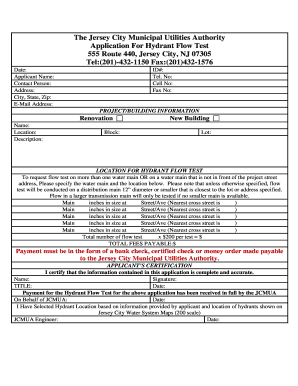

HABITABILITY FEES, DocHubED AT 832-394-8841, TUESDAY THRU FRIDAY BETWEEN 7:00 A.M. AND 9:00 A.M. AT 832-394-8841, TUESDAY THRU FRIDAY BETWEEN 7:00 A.M. AND 9:00
Houstons Multi-Family Habitability Code meets only 24% of core public health protections recommended by the National Center for Healthy Housing and American


