
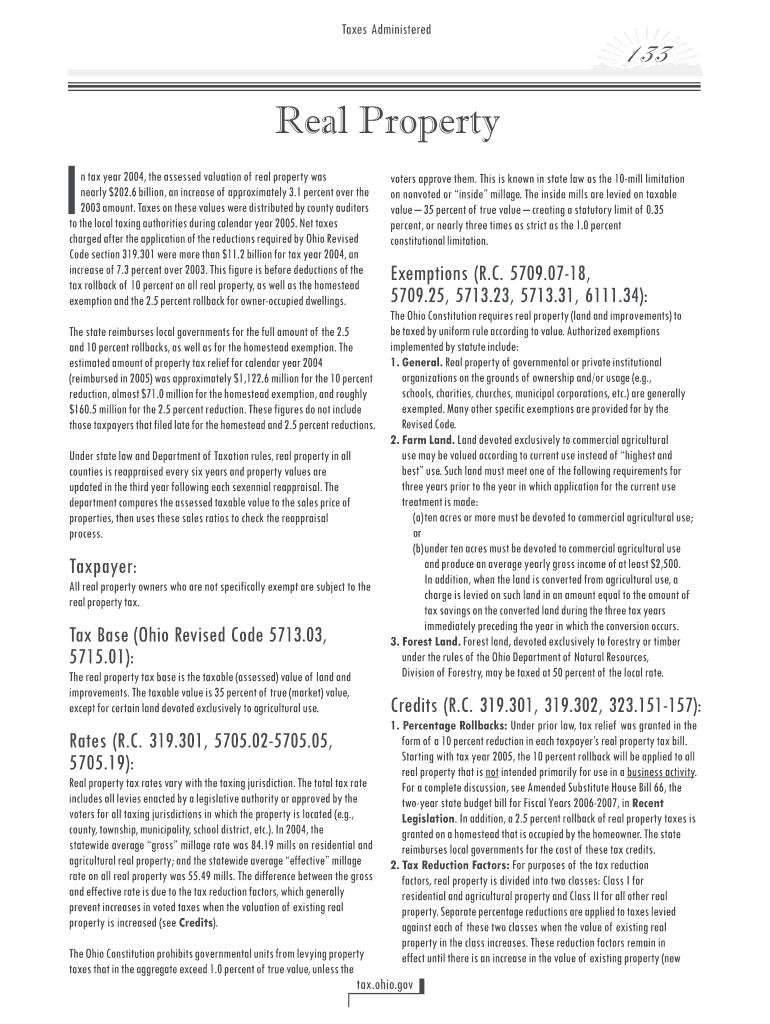







Definition & Importance of Assessed Valuation in 2004
The assessed valuation of real property refers to the determined value of real estate for tax purposes, set by local authorities. In 2004, this valuation was critical for calculating property taxes owed by homeowners and businesses. Such assessments played a significant role in funding local services like schools, police, and infrastructure. Each property's assessed value influenced the amount each taxpayer contributed to these communal resources.
Steps to Determine the Assessed Value for Tax Year 2004
-
Locate the Property's Records:
- Access property tax records through your local county auditor's office.
- Most offices offer online databases where you can search by property address or owner’s name.
-
Review Comparable Sales:
- Examine recent sales of similar properties in your neighborhood.
- Comparable sales provide a benchmark to assess whether your property was valued fairly.
-
Consider Property Characteristics:
- Evaluate factors such as square footage, lot size, and upgrades.
- Ensure property descriptions match actual conditions to avoid assessment errors.
-
Contact a Local Assessor:
- Engage with local assessors for clarification on valuation methods.
- Request informal reviews if assessment discrepancies are found.
How to Obtain the Assessed Valuation
-
Online Portals:
- Access county websites for property valuation reports for 2004.
- Use the search functionalities available on most assessor websites.
-
In-Person Visits:
- Visit county offices for physical copies of assessment records.
- Bring identification and property details to facilitate the search.
-
Written Requests:
- Send a request letter to the local tax assessor’s office.
- Include necessary details such as property address and owner's information.
Key Elements of Real Property Valuation
-
Market Conditions:
- Consider the real estate market conditions in 2004 that influenced valuations.
- A booming or sluggish market could substantially impact assessments.
-
Improvements and Alterations:
- Document any property improvements made before 2004.
- These modifications often lead to increased property values.
-
Tax Rates:
- Familiarize yourself with local tax rates applied in 2004.
- Evaluate how rates influence the final tax bill derived from assessed values.
Legal Use and Implications
-
Property Disputes:
- Accurate valuations are pivotal for resolving property disputes.
- Incorrect assessments could lead to legal contests and appeals.
-
Regulatory Compliance:
- Ensure compliance with all tax obligations based on assessed valuations.
- Non-compliance can lead to penalties or interest on tax dues.
Important Terms Related to Assessed Valuation
-
Fair Market Value:
- Represents the price property would command in an open market in 2004.
- Served as a baseline for assessed valuations.
-
Exemption:
- Tax reductions for qualifying homeowners, such as senior citizens or veterans.
- Exemptions reduce the taxable value, lowering the overall tax bill.
-
Assessment Ratio:
- A percentage of the market value used to calculate taxable value.
- Varies by jurisdiction and category of property.
Who Typically Uses the Assessment Valuation
-
Homeowners:
- Review property tax assessments to ensure they reflect fair market conditions.
- Appeal inaccurate assessments to adjust tax owed.
-
Real Estate Professionals:
- Use assessments to advise clients on buying or selling property.
- Provide insights into property taxes and potential savings.
-
Policy Makers:
- Evaluate the impact of assessments on local government budgets and services.
- Implement policies to ensure fair distribution of tax burdens.


State-Specific Rules and Variations
-
Ohio-Specific Regulations:
- Ohio may have unique valuation practices; check with the state's Department of Taxation.
- Understand rollbacks or homestead exemptions specific to Ohio.
-
Nationwide Differences:
- Each state may have different rules for calculating and appealing property assessments.
- Ensure compliance with local guidelines relevant to your location.
Examples of Using Assessed Valuations
Case Study: Appeal Process
- Scenario:
- A homeowner in Ohio noticed their property assessment exceeded market values.
- They gathered comparable sales data, submitted an appeal, and successfully lowered their assessed valuation.
Practical Example
- Investor Insight:
- Real estate investors review assessment histories to identify investment potential.
- Properties with lower-than-market assessments might offer investment opportunities.
By exploring the above areas, users gain comprehensive insights into the assessed valuation of real property in the tax year 2004, ensuring proper alignment with tax obligations and potential savings.




