




01. Edit your form online
Type text, add images, blackout confidential details, add comments, highlights and more.

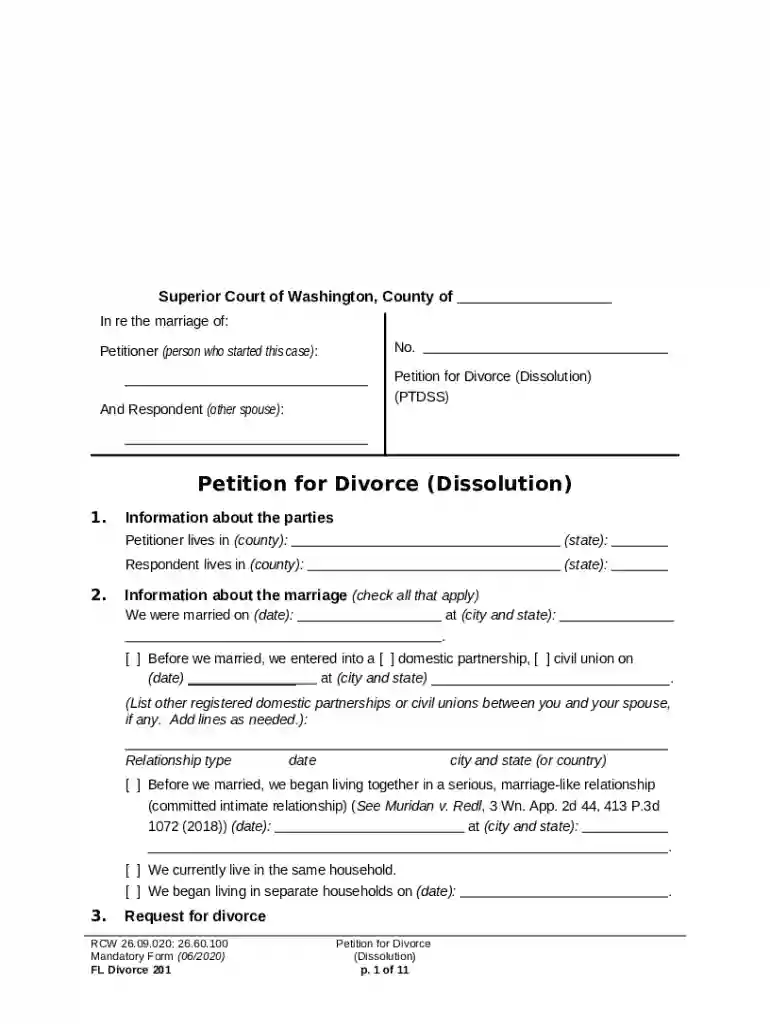
Type text, add images, blackout confidential details, add comments, highlights and more.

Draw your signature, type it, upload its image, or use your mobile device as a signature pad.

Send it via email, link, or fax. You can also download it, export it or print it out.
Rule 4 of the Washington Superior Court Civil Rules governs the procedures related to serving legal documents to parties involved in a civil lawsuit. This rule outlines the proper methods of delivering legal notices to ensure that all parties are informed about legal proceedings. Proper service of process is crucial as it establishes the court's jurisdiction over the parties and the subject matter involved. Under Rule 4, the rules specify who can serve documents, the time frame for doing so, and the types of documents that must be served.
To effectively use Rule 4, individuals must understand the procedural steps involved in serving legal documents. These steps include selecting an authorized individual or process server to deliver the documents, adhering to specified timelines for service, and accurately completing proof of service forms. Following Rule 4 ensures that the service is legally binding and protects the right of all parties to receive proper notice. Legal representatives must pay careful attention to these details to avoid delays or dismissals in legal proceedings.
Washington's variations in the implementation of Rule 4 may address specific procedural nuances distinct from other jurisdictions. The state provides guidelines that ensure compliance with local laws, such as time allowances for serving documents or alternative methods when traditional service is unfeasible. Practitioners must familiarize themselves with these state-specific instructions to maintain validity in Washington-based legal proceedings.
Example scenarios include serving a summons and complaint to initiate a lawsuit or delivering a subpoena for a witness to appear in court. Consider a case where a plaintiff must serve divorce papers to a respondent. Rule 4 provides the guidelines for ensuring that documents are properly delivered, which might involve engaging a professional process server to ensure compliance with all legal requirements.
The legal implications of following Rule 4 are significant as improper service can lead to a case's dismissal or jurisdictional challenges. Courts rely on accurate service of process to assert authority over the parties and ensure fair adjudication. Lawyers and individuals must engage in lawful practices to uphold the integrity of the judicial process.
The documents typically served under Rule 4 include complaints, summons, subpoenas, and any other court-related documents requiring a response or action from the recipient. Without proper service, the court may lack the authority to proceed, thus emphasizing the importance of adhering to the mandated service procedures.
Washington offers flexibility in submitting proof of service. Depending on the court's preferences, submission options may include mailing the forms, delivering them in-person to the court clerk, or electronic filing if available. It's vital to verify with the local jurisdiction to determine the accepted method.
Failure to correctly serve documents as mandated by Rule 4 can result in severe consequences. These may include dismissal of the case, delays in proceedings, and additional legal costs. Non-compliance undermines the legal process and can adversely affect the outcome of the case.
While Rule 4 predominantly pertains to lawyers, individuals representing themselves must also adhere strictly to these rules. The eligibility to use the Washington Superior Court's Rule 4 process extends to anyone needing to serve documents in Washington civil cases, provided they follow the court's protocols for service.


At DocHub, your data security is our priority. We follow HIPAA, SOC2, GDPR, and other standards, so you can work on your documents with confidence.
PROCESS (a) SummonsIssuance. (1) The summons must be signed and dated by the plaintiff or the plaintiffs attorney, and directed to the defendant,
Rule 4 of the Federal Rules of Civil Procedure requires certain defendants to cooperate in saving unnecessary expenses of serving a summons and complaint.


