Definition & Purpose of the Thanks again - 100% Real Estate, Inc Contract Department
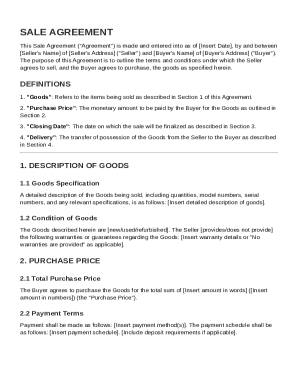
The "Thanks again - 100% Real Estate, Inc Contract Department" serves as a formal communication and procedural tool used in real estate transactions. Typically utilized by real estate firms, this document supports the process of drafting, reviewing, and finalizing contracts pertinent to property dealings. Its primary function is to create a structured pathway for managing agreements related to buying, selling, or leasing property, ensuring all legal obligations and clauses are adhered to by both parties involved.
Example Scenarios:
- A real estate agent preparing a purchasing contract for a client.
- A legal review of an agency agreement by a real estate firm’s contract department.
Key Elements of the Form
The form is comprehensive, incorporating several key sections that must be thoroughly completed:
- Party Details: Includes the names, addresses, and contact information of both the buyer and the seller.
- Property Description: Lists the full address and a legal description of the property.
- Financial Terms: Breaks down payment plans, deposit amounts, and financing arrangements.
- Inspection Provisions: Allows for property inspections and outlines the conditions for resolving potential issues.
- Contingencies: Details seller and buyer contingencies, including financing, inspection outcomes, or property sale dependencies.
- Closing Procedure: Specifies the timeline and responsibilities at closing, including the allocation of costs.
Example:
A real estate contract that clearly lists each party’s financial obligations and any contingencies tied to loan approval or home inspection results.
Steps to Complete the Form
- Collect Necessary Information: Gather all relevant details including personal information of involved parties, property specifics, and financial agreements.
- Draft Initial Contract: Use the collected data to prepare a preliminary contract.
- Review and Modify: Both parties should review the draft to suggest necessary amendments.
- Approval by Legal Counsel: Ensure legal review of the contract to verify compliance with relevant laws and regulations.
- Final Signatures: Obtain signatures from all parties to validate the agreement.
- Secure Copies: Store signed copies with all parties for record maintenance and future reference.
Additional Tips:
- Utilize real estate software to streamline form completion and ensure accuracy.
Who Typically Utilizes the Form
This form is predominantly used by:
- Real Estate Agents: Ensure contractual accuracy in property transactions.
- Buyers and Sellers: Enter into legally binding agreements.
- Legal Consultants: Provide oversight and ensure contract legality.
- Title Companies: Facilitate the transfer and recording of real property ownership.
Case Study:
A real estate agent in a high-volume market coordinates between multiple clients using this form to maintain clarity and compliance.
Software Compatibility
The form is compatible with various software tools that can streamline its completion and distribution:
- DocHub: Facilitates online editing, signing, and sharing of real estate contracts.
- Adobe Acrobat: Allows for robust PDF editing features needed for complex contracts.
- TurboTax and QuickBooks: While primarily tax-oriented, these platforms sometimes integrate with real estate forms for financial transparency.
Real-World Application:
A brokerage using DocHub for contract preparation and QuickBooks for financial tracking gains seamless workflow and accounting integration.
Legal Requirements and Compliance
Ensuring legal compliance is crucial when using this form:
- Adherence to State Laws: Contracts must comply with state-specific real estate laws.
- ESIGN Act Compliance: All electronic signatures should meet legal standards, making them enforceable.
- Disclosure Obligations: Accurate and full disclosure of all property conditions and encumbrances is required.
Practical Considerations:
Regular legal updates should be obtained to maintain compliance with evolving real estate laws and regulations.
State-Specific Rules and Variations
Real estate forms often vary by state due to differing legal requirements and practices:
- Variations in Contingencies: Different states may have unique requirements for contingencies such as septic inspections or pest controls.
- Disclosure Requirements: Some states mandate specific disclosures like flood zone information or radon levels.
Example:
In California, strict seller disclosures must be completed, while regulations might differ considerably in Texas or New York.
Versions and Alternatives to the Form
Several variants of this form may exist, depending on its intended use:
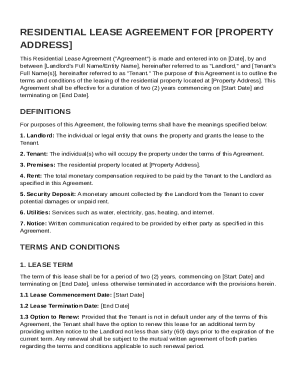
- Lease Agreement Variants: Separate forms may exist for lease agreements as opposed to sales contracts.
- Electronic Versions: Digital forms accommodate remote signing and submission.
- Evolving Templates: Annual updates may be rolled out to align with new legal standards or industry practices.
Notable Alternatives:
While some firms might use customized forms, standardized real estate contracts are often preferred for clarity and consistency.
Penalties for Non-Compliance
Failure to properly complete or adhere to the terms of the "Thanks again - 100% Real Estate, Inc Contract Department" form may result in:
- Legal Action: Financial penalties or litigation may ensue for breached contracts.
- Loss of Sale or Purchase Opportunity: Non-compliance can lead to the termination of the transaction.
- Reputational Damage: Recurring non-compliance could harm the credibility of the real estate firm.
Case Study:
A Florida-based firm faced legal repercussions due to non-disclosed property defects, violating state disclosure laws.