




Definition and Purpose of the Third Party Mandate Letter Template
A third party mandate letter template is a document used to authorize an individual or organization to operate a bank account on behalf of the account holder. Typically employed by personal, sole trader, and partnership accounts, this template clarifies the scope of authority granted, ensuring that both the account holder and the bank are aligned on what actions the third party can perform. These actions might include making payments, accessing account information, or managing deposits and withdrawals. The document plays a vital role in managing finances, especially in situations where the account owner might be unavailable to handle account activities directly.
Examples of Third Party Mandate Usage
- An individual who is traveling abroad may authorize a trusted family member to manage their bank account, ensuring bills are paid on time.
- A small business owner might grant their accountant the authority to access business accounts to streamline financial reporting and tax preparations.
- A partner in a partnership firm could allow another partner to have comprehensive account management rights for operational efficiency.
How to Use the Third Party Mandate Letter Template
Using a third party mandate letter template involves several steps to ensure proper authorization and compliance with banking regulations. The process begins with selecting a suitable template that caters to the specific needs of the account holder.
- Select the Appropriate Template: Choose a template that fits the nature of the account and the authority level required.
- Detail the Mandate: Clearly outline the scope of authority being granted, including the types of transactions the third party can perform and any restrictions.
- Provide Identification Documentation: Both the account holder and the third party need to submit identification documents for verification.
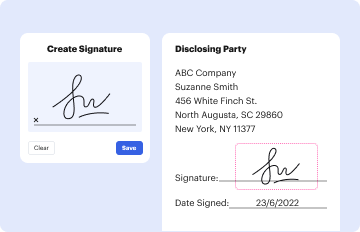
- Sign the Document: Both parties must sign the mandate letter to validate the authorization.
Key Elements of the Third Party Mandate Letter Template
The third party mandate letter template should include specific elements to ensure clarity and legality.
- Account Holder Details: Name, address, and account number.
- Third Party Information: Name, address, identification, and relationship to the account holder.
- Authorization Scope: Clearly defined parameters of what the third party is allowed to do.
- Effective Dates: Start and end date of the authority granted.
- Signatures: Both the account holder and the third party must provide signatures to formalize the mandate.
- Legal Disclosures: Any necessary legal information or disclaimers relevant to the authority being granted.
Important Terms to Include
- Sole Signatory: The third party has exclusive rights to sign on behalf of the account holder.
- Joint Mandate: Requires the account holder and third party to co-sign for transactions.
How to Obtain the Third Party Mandate Letter Template
Acquiring a third party mandate letter template can be done through various channels, depending on the bank's procedures.
- Bank Branch: Visit the bank directly to request a paper or digital version of the form.
- Bank Website: Download the form from the bank’s official website if they provide it online.
- Customer Service Request: Contact customer service via phone or email to have the form sent electronically.
Steps to Complete the Third Party Mandate Letter Template
Completing the template requires attention to detail to avoid errors that could invalidate the authorization.
- Gather Information: Collect all necessary personal and account information.
- Fill Out the Form: Enter the details carefully, ensuring all relevant fields are completed.
- Review Restrictions: Ensure any limitations on the third party’s access to the account are clearly defined.
- Submit Identification: Attach required identification documents of both parties.
- Review and Sign: Double-check the filled form and obtain signatures from all parties involved.
Legal Use and Compliance for the Third Party Mandate Letter Template
Legal compliance is crucial for the validity and enforceability of the third party mandate. The mandate must adhere to banking regulations and any state-specific requirements.
- Verification Process: Banks typically require thorough verification of both parties to prevent fraud.
- Regulatory Adherence: Ensure the mandate complies with local banking laws and regulatory guidelines.
- Cancellation Rights: Both the account holder and the bank should retain the right to cancel the mandate under specific conditions.
Who Typically Uses the Third Party Mandate Letter Template
Various individuals and organizations rely on these templates for different purposes.
- Individuals: Those who are unable to manage their accounts temporarily due to travel or health reasons.
- Businesses: Small businesses and partnerships may delegate authority to accountants or co-owners for efficient management.
- Elderly or Disabled: Individuals may authorize family members to assist with financial matters.


State-Specific Rules and Variances
While the mandate letter's core functionality is similar across states, minor regulatory differences might apply.
- Identification Requirements: States may have different ID requirements for verification.
- Notarization: Some states might mandate notarization to validate the document.
- Revocation Process: State laws may dictate specific procedures for revoking a third party mandate.
Understanding these nuances is essential for ensuring that the third party mandate is both effective and compliant with local laws.