Rev 1500 schedule b-2026

Get Form
rev 1500 schedule b Preview on Page 1

Here's how it works

01. Edit your rev 1500 schedule b online
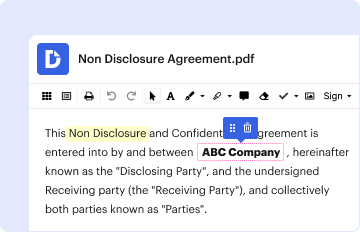
Type text, add images, blackout confidential details, add comments, highlights and more.

02. Sign it in a few clicks
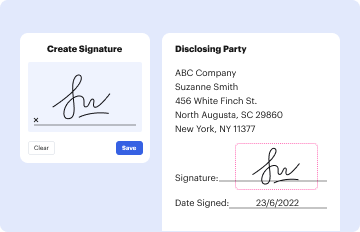
Draw your signature, type it, upload its image, or use your mobile device as a signature pad.

03. Share your form with others
Send pa rev 1500 schedule b via email, link, or fax. You can also download it, export it or print it out.

Definition & Meaning

The "rev 1500 schedule b" form is an essential document used for reporting inheritance tax obligations in the United States. It specifically focuses on the documentation and assessment of stocks and bonds as part of an inheritance. Inheritance taxes are levied on the estate of a deceased individual, and this particular schedule aids in listing all relevant financial securities that were owned by the decedent at the time of death. Accurately reporting these details ensures compliance with tax regulations and assists in the proper distribution of the estate. Understanding this form is crucial for executors and beneficiaries to settle estate matters efficiently.

How to Use the rev 1500 schedule b

To use the "rev 1500 schedule b," begin by gathering all pertinent documentation of financial assets, specifically concentrating on stocks and bonds held by the deceased. Enter the name of each security, its identification number, and the number of shares or bonds held. Then, determine and record the fair market value of these assets at the time of the decedent’s death. This requires accurate appraisal, often involving quotes from financial institutions or stock market evaluations. The form should be filled diligently to ensure that all financial interests are captured accurately for tax assessment purposes.

Detailed Information Required

  • Name and description of each stock or bond.
  • Number of shares or principal amount of bonds.
  • Fair market value per share or bond at the decedent’s date of death.
  • Total value calculation for each security line item.

Steps to Complete the rev 1500 schedule b

  1. Collect Financial Documentation: Obtain statements and reports from brokers or financial institutions to gather details about the stocks and bonds held by the decedent.
  2. Identify Securities: Clearly delineate each security's name, description, and any identification numbers or codes.
  3. Calculate Market Value: Establish the worth of each asset on the date of the decedent's death, utilizing stock exchange data or financial advisors as necessary.
  4. Complete the Form: Fill out each section of the form with the required details, ensuring that each input is accurate and corresponds with the financial documentation gathered.
  5. Review and Verify: Double-check all entries for precision and completeness before submission.

Important Terms Related to rev 1500 schedule b

Familiarity with key terms aids in accurate form completion:

  • Fair market value: The price an asset would sell for on the open market at the date of the decedent's death.
  • Decedent: The individual who has passed away whose estate is being settled.
  • Executor: The person appointed to administer the estate of the deceased.
  • Security Identification Number: A unique identifier for stocks or bonds that must be included for each financial asset listed.

Required Documents

Various documents must support the rev 1500 schedule b for a precise and compliant submission. These include:

  • The decedent's death certificate.
  • Comprehensive account statements related to securities.
  • Valuation papers reflecting the market value on the decedent's death date.
  • Any legal documents, such as trust agreements or wills, that clarify ownership and beneficiary details.

Importance of Accurate Documentation

Ensure that these documents are error-free and reflect true ownership and value to avoid penalties or disputes with tax authorities.

Form Submission Methods (Online / Mail / In-Person)

The "rev 1500 schedule b" can be submitted through different methods, each offering certain conveniences:

  • Online Submission: Typically the fastest method. Ensure that the form and any supporting documentation are uploaded to designated government or tax authority websites.
  • Mail Submission: Send the completed form and copies of all supporting documentation to the appropriate tax department address. Use tracked mail to confirm delivery.
  • In-Person Submission: Hand-deliver the completed form to a local tax office. This allows any immediate questions or discrepancies to be addressed promptly.

IRS Guidelines

The IRS provides specific guidelines for filling out forms such as the rev 1500 schedule b. Adhering to these regulations ensures compliance and helps in avoiding fines or delays in processing:

  • Ensure entries are factual and supported by documentation.
  • Follow detailed instructions for fair market value calculations.
  • Verify submission deadlines and instructions vary by state.

Penalties for Non-Compliance

Incomplete or inaccurately completed rev 1500 schedule b forms may incur penalties, which could include:

  • Financial penalties for underreporting or omitting securities.
  • Legal repercussions if misreporting is found to be intentional.
  • Delayed estate settlement processes, thereby affecting beneficiaries.

It is crucial to thoroughly review and understand the form's requirements to mitigate such potential risks.

See more rev 1500 schedule b versions

We've got more versions of the rev 1500 schedule b form. Select the right rev 1500 schedule b version from the list and start editing it straight away!
Versions Form popularity Fillable & printable
2015 4.8 Satisfied (119 Votes)
2012 4.6 Satisfied (53 Votes)
be ready to get more

Complete this form in 5 minutes or less

Get form

Got questions?

We have answers to the most popular questions from our customers. If you can't find an answer to your question, please contact us.
Contact us
To successfully complete the Estate Administration process for the decedent, you are responsible for filing a Pennsylvania Inheritance Tax return. If you do not do so, the Pennsylvania Department of Revenue may take legal action against you.
Schedule B reports the interest and dividend income you receive during the tax year. However, you dont need to attach a Schedule B every year you earn interest or dividends. It is only required when the total exceeds certain thresholds.
The rates for Pennsylvania inheritance tax are as follows: 0 percent on transfers to a surviving spouse or to a parent from a child aged 21 or younger; 4.5 percent on transfers to direct descendants and lineal heirs; 12 percent on transfers to siblings; and.
An inheritance tax return must be filed for every decedent who has property which is or may be subject to tax. You must file a return if you are: The personal representative.
Examples of some deductions are estimated funeral costs, probate filing fees (how much was paid to get Letters of Administration/Letters Testamentary), and the decedents debts at the time of his or her death (such as delinquent real estate taxes or mortgage).

Security and compliance

At DocHub, your data security is our priority. We follow HIPAA, SOC2, GDPR, and other standards, so you can work on your documents with confidence.

Learn more
ccpa2
pci-dss
gdpr-compliance
hipaa
soc-compliance

People also ask

You typically dont need to report inheritance money to the IRS because inheritances arent considered taxable income by the federal government. That said, earnings made off of the inheritance may need to be reported.
Property owned jointly between husband and wife is exempt from inheritance tax, while property inherited from a spouse, or from a child aged 21 or younger by a parent, is taxed a rate of 0%. Inheritance tax returns are due nine calendar months after a persons death.

rev 1502 schedule a