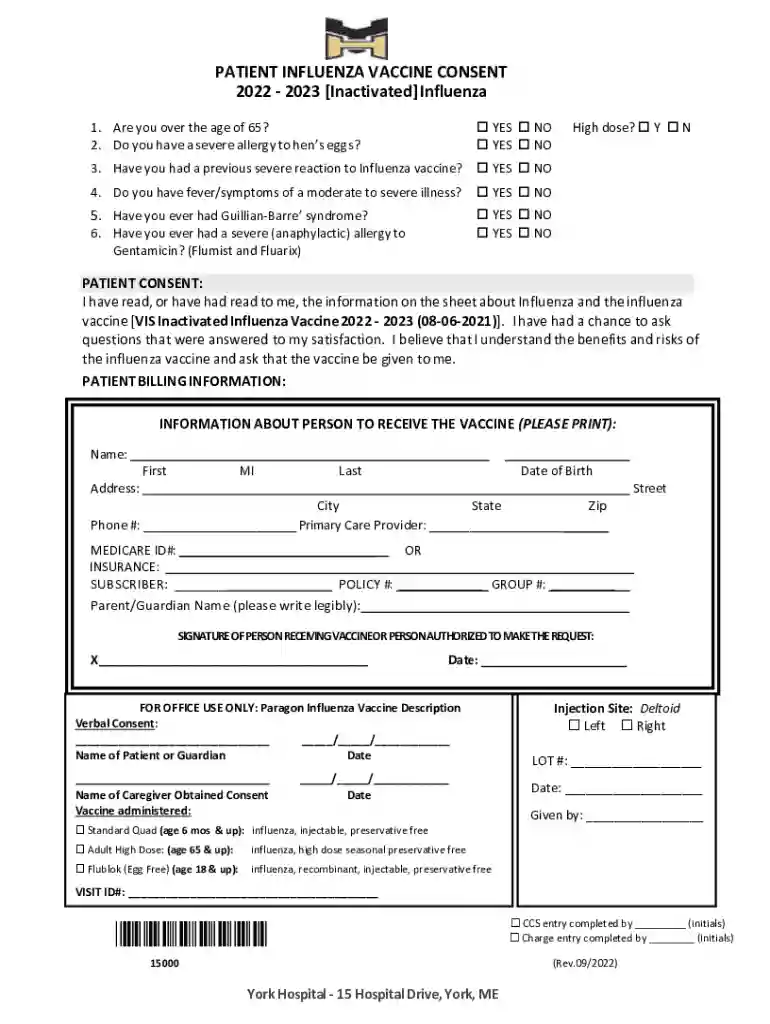
Definition and Meaning of the Flu Vaccine and People with Egg AllergiesCDC
The "Flu Vaccine and People with Egg AllergiesCDC" guide provides crucial information concerning the administration and safety of influenza vaccines for individuals with egg allergies. It highlights guidelines established by the Centers for Disease Control and Prevention (CDC) to ensure that people with egg allergies can safely receive their flu shots. The document outlines the different types of vaccines, addresses common concerns regarding egg allergy reactions, and provides practical advice for healthcare providers.
Key Points of the Guide
- Understanding Egg Allergies: The guide details what constitutes an egg allergy, typically involving reactions to proteins found in eggs.
- Vaccine Composition: Many flu vaccines are cultivated in eggs, but this guide clarifies which vaccines are safe for those with allergies.
- CDC Guidelines: Adheres to the CDC's recommendations, ensuring healthcare providers follow best practices for patient safety.
How to Use the Flu Vaccine and People with Egg AllergiesCDC
Healthcare professionals and patients alike can benefit from understanding how the guide applies in clinical settings. It serves as an essential resource for evaluating vaccine options for individuals with specific health concerns about egg allergies.
Usage Overview
- For Healthcare Providers: Offers guidelines on assessing patient allergy history and selecting appropriate vaccines.
- For Patients: Provides reassurance and information, enabling informed discussions with healthcare providers.
Steps to Complete the Flu Vaccine and People with Egg AllergiesCDC
Following the document's guidelines ensures a comprehensive understanding of safety measures and procedures related to flu vaccinations.
Completion Process
- Review Patient Allergies: Check for documented egg allergies in patient records.
- Reference the Guide: Consult the guide for up-to-date vaccine safety studies involving egg-allergic individuals.
- Vaccine Selection: Identify egg-free or compatible vaccine options listed.
- Monitor Patient Post-Vaccination: Follow post-vaccination observation protocols to manage any immediate allergic reactions.
Why the Flu Vaccine and People with Egg AllergiesCDC is Important
This guide plays a pivotal role in ensuring that people with egg allergies are not excluded from receiving flu vaccinations, which are crucial for public health.
Significance
- Public Health Impact: Facilitates wider vaccination coverage by including those with specific allergies.
- Preventive Health Measures: Reduces the risk of flu complications in vulnerable populations.
- Guidance for Providers: Assists healthcare providers in making informed decisions, enhancing patient safety.
Who Typically Uses the Flu Vaccine and People with Egg AllergiesCDC
Several groups benefit from the precautions and advice offered by this guide, including patients, family members, and healthcare workers.

Key Users
- Patients with Allergies: Individuals with known egg allergies who are concerned about vaccine safety.
- Healthcare Providers: Medical personnel tasked with administering flu vaccines and managing patient care.
- Caregivers and Families: Those responsible for the health decisions of individuals with allergies.
Important Terms Related to the Flu Vaccine and People with Egg AllergiesCDC
Understanding specific terms used in the guide aids in comprehending its recommendations and implementing its guidelines.
Key Terminology
- Inactivated Influenza Vaccine (IIV): A common flu vaccine type, historically produced with egg-based techniques.
- Recombinant Influenza Vaccine (RIV): An egg-free alternative suitable for those with severe allergies.
- Anaphylaxis: A severe, potentially life-threatening allergic reaction that guides precautionary measures.
Legal Use of the Flu Vaccine and People with Egg AllergiesCDC
The guide outlines the legal and ethical responsibilities of healthcare providers regarding vaccine administration for those with allergies.
Compliance and Legal Compliance
- Informed Consent: Patients consenting to vaccination should be informed of the risks and benefits, especially when known allergies exist.
- Documentation: Proper documentation, including patient history and vaccine type used, ensures traceability and legal protection.
Examples of Using the Flu Vaccine and People with Egg AllergiesCDC
Real-world scenarios demonstrate how the guide's recommendations are practically applied in clinical settings, addressing common patient concerns and enhancing safety.
Practical Implementation
- Scenario One: A patient with a mild egg allergy inquires about vaccine safety, leading to a discussion and eventual vaccination with an egg-free option.
- Scenario Two: A healthcare provider evaluates a clinic's vaccine inventory, ensuring that a supply of egg-free vaccines is on hand for patients reporting allergies.
Eligibility Criteria for Receiving the Flu Vaccine with Egg Allergies
The guidance helps determine which patients with egg allergies can safely receive the flu vaccine, thereby ensuring broad vaccine coverage.

Eligibility Guidelines
- Assessment of Allergy Severity: Mild versus severe allergy impacts vaccine choice.
- Age Considerations: Some vaccines have age restrictions which must be considered in conjunction with allergy status.