Definition & Meaning
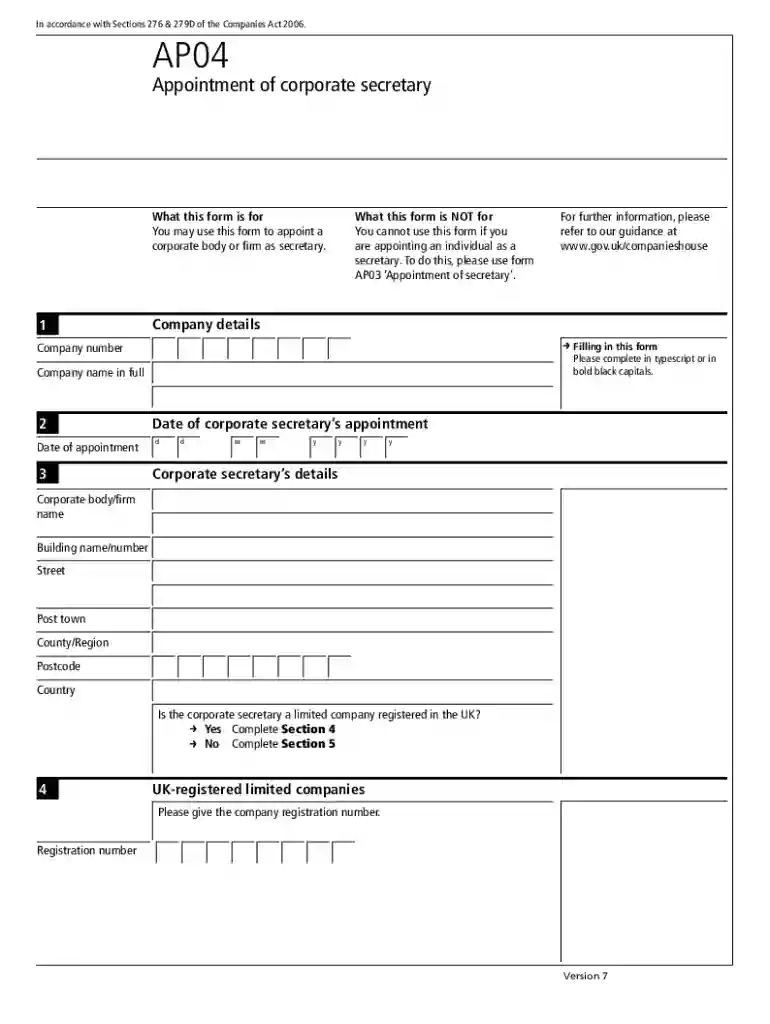
In accordance with Sections 279 and 279D of the Companies Act, these sections describe the processes and requirements for the resignation and removal of directors in a company. Section 279 specifically deals with the resignation of directors, stipulating that a director may resign by giving notice in writing. Section 279D focuses on the procedure for the removal of directors, detailing the conditions under which a board or shareholders can remove a director before the expiration of their term. These provisions ensure transparency and orderly transitions in corporate governance.
Key Elements of the In Accordance with Sections 279 and 279D
Sections 279 and 279D highlight several critical elements necessary for compliance:
- Resignation Notice: A director wishing to resign must submit a written notice to the board. This action should be documented and managed according to company policy.
- Removal Procedures: For removal, specific procedures must be followed, potentially including a formal vote by shareholders or a board decision. The reasons for removal must be clearly articulated and documented.
- Documentation: Proper documentation is essential for compliance, including meeting minutes, written notices, and any correspondence related to the resignation or removal process.
- Timing: The timing of resignation or removal can have significant implications for governance transitions. Specific legal timeframes must be adhered to for the action to be valid.
Steps to Complete in Accordance with Sections 279 and 279D
- Preparation of Documentation: Gather all necessary documentation related to the director's service, including performance evaluations, previous board meeting minutes, and any contractual agreements.
- Submission of Resignation/Removal Notice: If resigning, the director must submit a written notice stating the intention to resign. For removal, the initiating party must submit a formal proposal.
- Board Meeting: Conduct a board meeting to discuss the resignation or removal. Ensure that discussions are minuted accurately.
- Shareholder Vote: If required, schedule a meeting for shareholders to vote on the removal, ensuring all shareholders are notified well in advance.
- Record Keeping: Maintain comprehensive records of all steps undertaken, including notices received, outcomes of meetings, and reasons for the decision made.
Legal Use of the In Accordance with Sections 279 and 279D
Compliance with Sections 279 and 279D ensures that the resignation or removal of directors is legally sound. These sections serve as a legal framework ensuring:
- Orderly Governance Transitions: Facilitate smooth transitions by providing clear legal guidance.
- Protection Against Unlawful Removal: Directors are protected from arbitrary removal, as procedures must be legally justified and documented.
- Shareholder Rights: Uphold the rights of shareholders to hold directors accountable and influence board composition.
Form Variants and Alternatives
While Sections 279 and 279D provide the procedure for director resignation and removal, some companies may develop internal policies that expand on these legal requirements. Variants may include:
- Internal Resignation Policies: More detailed internal rules that outline additional steps or considerations for directors wishing to resign.
- Enhanced Director Review Processes: Comprehensive review processes that might be used before the formal initiation of a director's removal.
Digital vs. Paper Version
The documentation processes in accordance with Sections 279 and 279D can be managed digitally or via paper. Digital management includes:
- E-Signatures: Electronic signatures can be used in resignation notices for efficiency and verification.
- Document Management Systems: Use systems that allow for digital archiving of all related documents, ensuring easy access and security.
Business Entity Types Benefitting from Sections 279 and 279D
Different business entities can utilize these sections for effective governance:
- Corporations: Large corporations rely on these sections to maintain efficient board management and meet stakeholder expectations.
- LLCs: Limited Liability Companies may also use adapted versions of these provisions to regulate the departure of board managers or members.
- Partnerships: Entities structured as partnerships might refer to similar procedures to regulate their governance body transitions, though specific provisions might vary.
By following these guidelines, companies can maintain robust governance standards and ensure compliance with corporate law.