
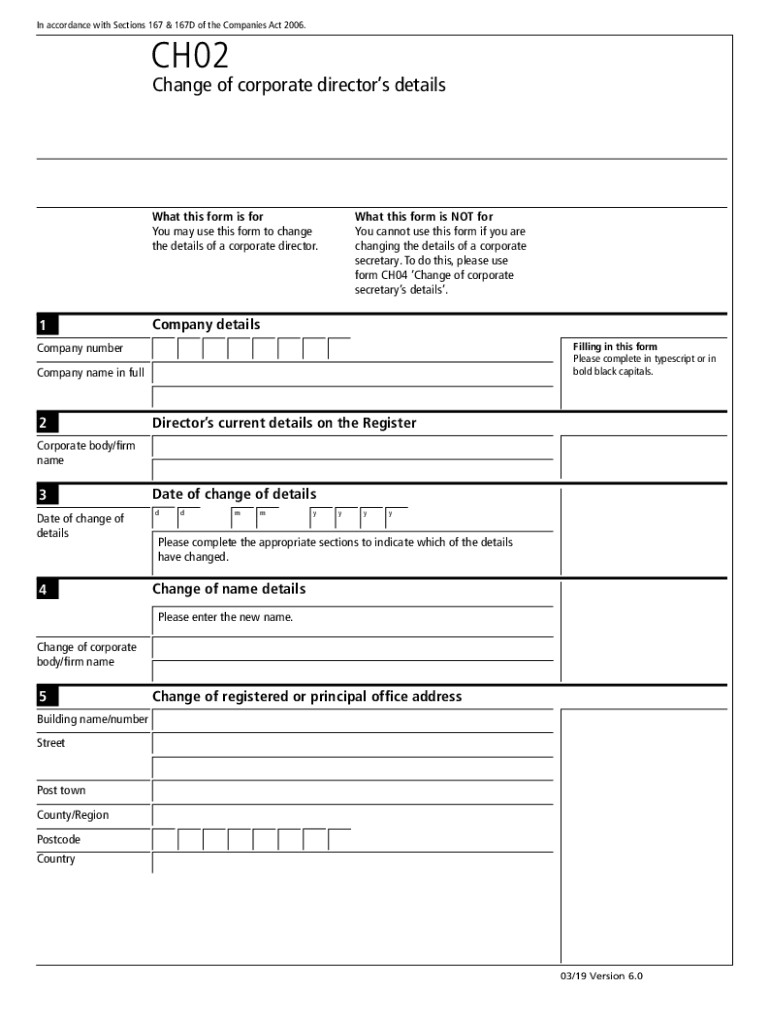







Definition and Key Functions of Companies House Insolvency Forms
Companies House Insolvency Forms are used in the administration of insolvency proceedings within the United Kingdom. They are utilized by organizations or individuals managing insolvency situations, ensuring compliance with legal requirements set by the Companies Act 2006. These forms serve to document changes in a company's status due to insolvency, including the appointment of administrators or liquidators and the declaration of company dissolution. Understanding these forms is crucial as they facilitate the legal process of insolvency management, ensuring that all procedural aspects are documented and communicated effectively to relevant parties.
How to Use Companies House Insolvency Forms
Utilizing Companies House Insolvency Forms involves a structured approach due to their legal significance. Users must first identify the specific form type that aligns with their insolvency process, whether it's for appointing liquidators or notifying about creditors' meetings. Each form includes detailed fields to capture essential information. For example, forms typically require details such as company registration numbers, names and addresses of directors or liquidators, and the nature of the insolvency event. Ensuring accuracy and completeness is paramount, as inaccuracies could lead to legal complications.
- Verify the specific form required for your situation.
- Carefully read all instructions accompanying the form.
- Fill all sections with precise and up-to-date information.
How to Obtain Companies House Insolvency Forms
These forms can be accessed and downloaded directly from the official Companies House website. Users have the option to fill them out digitally or manually if a paper version is preferred. For those who prefer a documented process via physical forms, Companies House can also mail paper copies upon request. It is essential for companies to stay informed of any updates or changes in the form's format or content by regularly checking the official website or subscribing to notifications.
Steps to Complete Companies House Insolvency Forms
Completing Companies House Insolvency Forms involves several key steps to ensure they meet all regulatory standards:
- Download the Form: Obtain the latest version of the relevant form.
- Review Instructions: Carefully read through the instructions to understand the requirements.
- Gather Information: Collect all necessary information about the company and the insolvency situation.
- Fill Out the Form: Enter the information meticulously in the designated sections.
- Review and Verify: Double-check all entered data for accuracy and completeness.
- Submit the Form: Once verified, submit the form via the preferred method (online or mail).
Who Typically Uses the Companies House Insolvency Forms
These forms are primarily used by insolvency practitioners, company directors, and legal professionals involved in managing corporate insolvency processes. Typically, entities such as accounting firms, legal advisors, and corporate administrators find these forms integral in handling insolvency procedures. Understanding the legal and regulatory environment aids these professionals in ensuring that the forms are used correctly and comply with necessary legal protocols.


Legal Usage and Compliance
Legal compliance is a crucial aspect when handling Companies House Insolvency Forms. They must be completed and submitted in accordance with the Insolvency Act and related regulations. Failure to comply can result in penalties or delays in the insolvency process. It's advisable for professionals to consult legal experts when filling out these forms to ensure adherence to all relevant legislative requirements.
Penalties for Non-Compliance with Companies House Insolvency Forms
Non-compliance with the requirements of Companies House Insolvency Forms can lead to significant penalties. These may include fines or additional legal scrutiny. It's important for those involved in the submission process to understand these penalties and take proactive steps to align with all requirements:
- Missed Deadlines: Filing after a deadline can incur late fees.
- Inaccurate Information: Incorrectly filled forms can result in legal fines.
- Failure to Submit: Not submitting necessary forms might lead to legal enforcement actions.
Digital vs. Paper Version of Companies House Insolvency Forms
Companies House provides both digital and paper forms, each with distinct advantages. Digital forms are often preferred due to their ease of submission and ability to be updated promptly. However, paper forms are available for those who require physical documentation or are not comfortable with online processes. The choice between digital and paper forms largely depends on the submitter's preference and access to digital tools.
Business Entity Types Benefiting Most from Companies House Insolvency Forms
Various types of business entities, including limited liability companies (LLCs), corporations, and partnerships, can leverage these forms to manage insolvency procedures effectively. These entities can ensure proper regulatory compliance through the structured submission of necessary documentation. The forms aid businesses in navigating insolvency processes with clarity, helping maintain accountability and transparency during financially challenging periods.




