Definition and Meaning
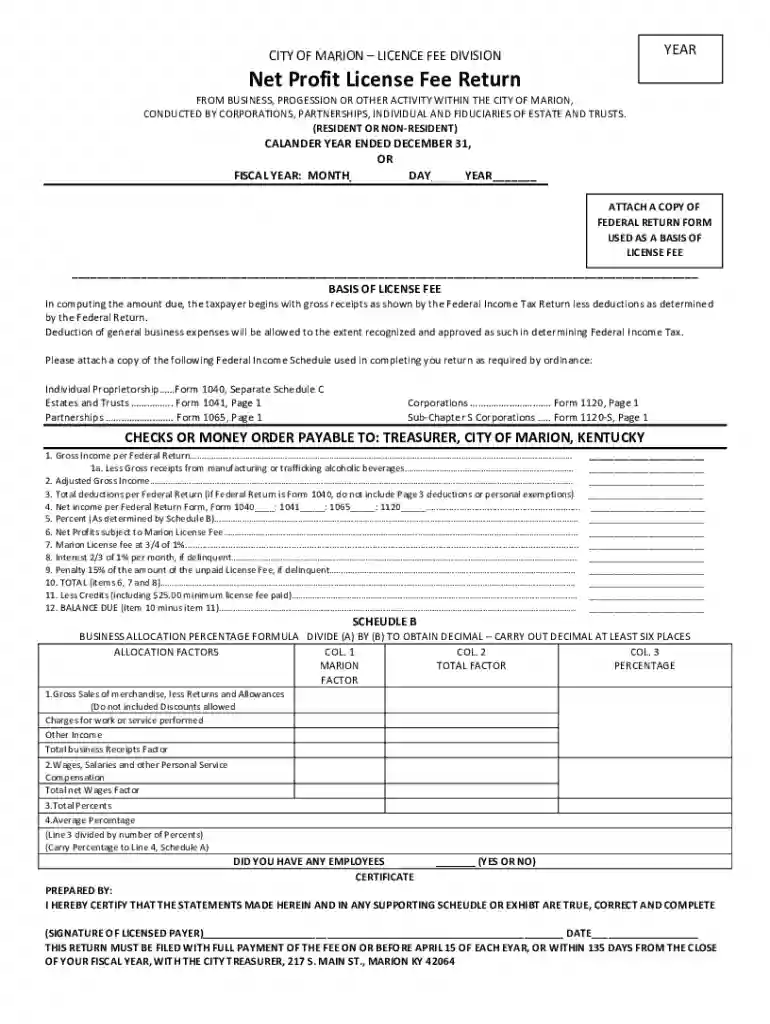
The term "keyword-suggest-tool searchcity+ofCity of marion income tax" Keyword Found Websites Listing" refers to an SEO-centric toolset that suggests relevant keywords based on user input related to City of Marion's income tax obligations. This tool aids in identifying search terms users are likely to use when seeking information about the City of Marion's income tax requirements and associated forms. It's particularly valuable for SEO professionals and digital marketers who aim to optimize content for visibility related to the City of Marion's taxation topics.
Accessing the Tool
To begin utilizing the keyword suggestion tool, you’ll need to select a platform that offers keyword analysis within the parameters of search city-focused content. Input the specific search terms related to City of Marion's income tax, ensuring to include broad queries and targeted phrases for comprehensive insights.
Implementing Results
- Incorporate Suggestions: Integrate the suggested keywords naturally within your content related to City of Marion's income tax topics to improve search engine rankings.
- Analyze Competitors: Use the tool to understand which keywords competitors are utilizing effectively, providing opportunities to refine your content strategy.
- Monitor Performance: Regularly review the performance of used keywords to adjust strategies based on which terms drive the most traffic or engagement.
Steps to Complete the Search Listing
- Identify Target Keywords: Use the tool to pinpoint the most relevant keywords related to "City of Marion income tax".
- Create SEO-Optimized Content: Develop comprehensive content that thoroughly covers the City of Marion’s income tax requirements, embedding chosen keywords judiciously.
- Update Lists Regularly: Ensure your keyword list remains updated as search trends evolve, maintaining relevance and maximizing visibility.
Key Elements of the Tool
- Keyword Density: Evaluates how frequently selected keywords appear in content, ensuring optimal usage.
- Search Volume Insights: Provides data on how often specific keywords are searched, aiding in prioritization.
- Competition Analysis: Offers insights into the difficulty of ranking for particular keywords, guiding strategic SEO efforts.
Target Users
- SEO Professionals: To enhance content visibility for City of Marion-related tax inquiries.
- Content Creators: Bloggers and website managers who focus on regional tax-related content.
- Digital Marketers: Individuals aiming to increase reach and engagement through optimized content strategies.
Compliance Considerations
Ensure the keywords and content created with the tool do not infringe on trademarked terms or violate privacy laws. Always use legally acquired and publicly available data to maintain adherence to ethical and legal standards.
Important Terms Related to City of Marion Income Tax
- Gross Receipts: Total earnings a business collects before any deductions, essential for tax calculations.
- Net Profit License Fee: A fee based on net earnings, fundamental for entities operating in Marion.
- Deductions: Allowed expenses that reduce gross income to calculate taxable income legitimately.
Kentucky-Specific Requirements
- Filing Deadlines: Specific dates mandated by the state for submissions, usually aligned with federal dates but require confirmation.
- Additional Forms: Kentucky might have supplementary forms unique to the state, essential for completing income tax documentation correctly.
Examples of Using the Tool
- Content Strategy Development: A local tax consultant in Marion uses the tool to create blog content optimizing “City of Marion income tax exemptions” to attract business clients seeking advice.
- Competitor Analysis: An SEO agency leverages the tool for a comprehensive competitor keyword report to refine strategies for local tax businesses.
Filing Deadlines and Important Dates
Key Deadlines
- Quarterly Estimated Payments: Businesses might need to file these by specific dates, typically in April, June, September, and January.
- Annual Filing Date: Generally coinciding with the IRS deadline, often mid-April, requiring timely submission for compliance.
Essential Paperwork
- Federal Tax Returns: Used as a reference for local tax calculations.
- Proof of Deductions: Receipts and documentation for all claimed deductions to validate claims.
Available Options
- Online Submissions: Often the most efficient method, allowing electronic filing directly through state portals.
- Mail-In Submissions: Traditional alternative, requiring early preparation to ensure delivery by the deadline.
- In-Person Filings: Rare but possible for those needing direct assistance or receipt confirmation.
Penalties for Non-Compliance
Consequences of Late Filing
- Monetary Fines: Financial penalties incurred for late submissions or payments.
- Interest Accumulation: Interest charged on unpaid taxes from the original due date until payment is received.
- Legal Action: Potential for audits or legal proceedings if non-compliance is persistent or egregious.