







Definition & Meaning
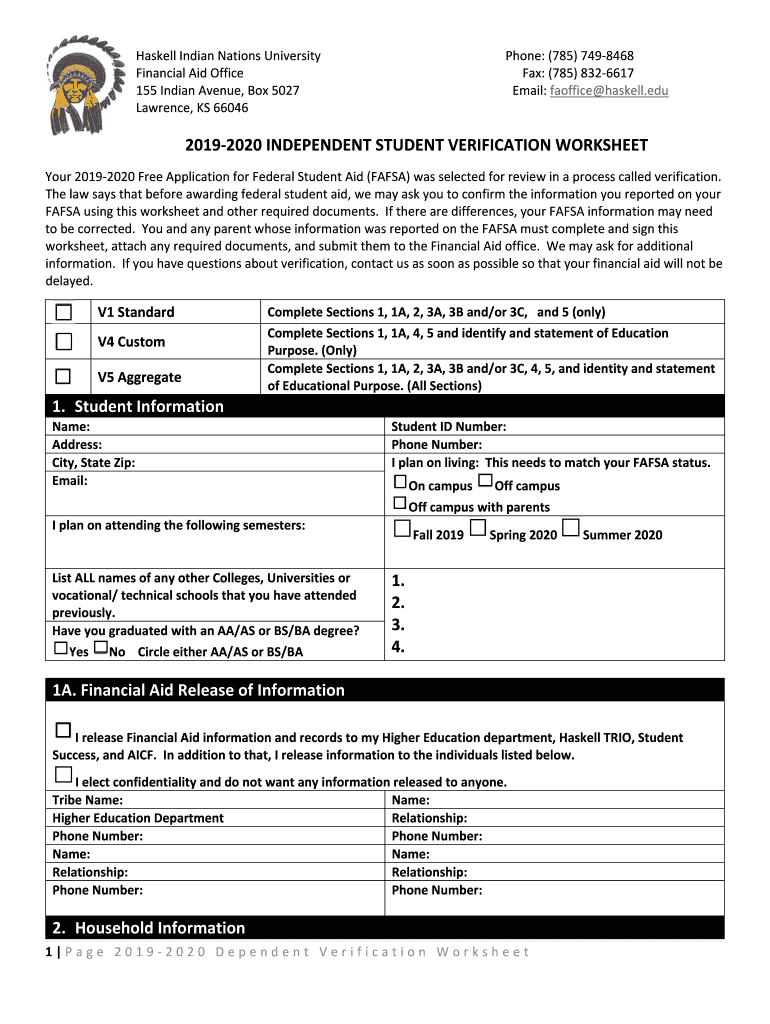
The "Notice of Availability of Institutional and Financial Aid" is a formal document that informs students of the availability and details of financial aid options provided by educational institutions. It typically outlines the types of aid available, such as grants, scholarships, and loans, and provides guidance on how to apply for these resources. The notice serves as an essential resource for students seeking to fund their education, helping them understand the choices they have and the necessary steps to access financial support. It is usually disseminated by the institution to ensure transparency and compliance with federal regulations regarding financial aid disclosures.
How to Use the Notice of Availability of Institutional and Financial Aid
Understanding how to utilize this notice is crucial for students who aim to maximize their financial aid opportunities. First, carefully review the document to ascertain the types of aid offered. Pay attention to eligibility criteria for each type of aid, as these may vary depending on the funding source. Next, follow the outlined procedures to apply for aid, which often involves completing the Free Application for Federal Student Aid (FAFSA) or other institution-specific forms. Ensure you note any deadlines mentioned in the notice to submit applications on time. Use the contact information provided for the Financial Aid Office if further clarification is needed.
Steps to Complete the Notice of Availability of Institutional and Financial Aid
-
Gather Required Information: Collect personal and financial details, including income information from tax returns, Social Security Number, and any previous aid received.
-
Understand Eligibility Criteria: Review the eligibility requirements listed for various types of aid to determine applicable options.
-
Fill Out Necessary Applications: Complete all required applications meticulously, such as the FAFSA and any institutional forms.
-
Submit Documentation: Provide any supporting documents requested by the Financial Aid Office, such as transcripts or tax documents.
-
Meet Deadlines: Ensure all applications and documents are submitted before the deadlines specified in the notice to avoid missing out on aid opportunities.
-
Follow Up: Contact the Financial Aid Office to confirm receipt of documents and applications, and inquire about the next steps in the aid process.
Required Documents
To fully benefit from the Notice of Availability of Institutional and Financial Aid, students need to prepare several essential documents:
- Tax Returns: Most financial aid applications require tax information from the previous year.
- Identification: A valid form of identification, such as a passport or driver's license.
- Enrollment Verification: Proof of enrollment or admission status from the educational institution.
- Previous Financial Aid Records: If applicable, include records of any past financial aid received.
- Income Statements: Additional documentation of income if not fully reflected in the tax returns.
Key Elements of the Notice of Availability of Institutional and Financial Aid
The notice typically comprises several critical elements:
- Types of Aid Offered: Details on scholarships, grants, loans, and work-study opportunities.
- Eligibility Requirements: Criteria students must meet to qualify for each type of financial aid.
- Application Procedures: Step-by-step instructions on how to apply for the different funding options.
- Deadlines: Important dates for application submission and any priority consideration dates.
- Contact Information: Details for the Financial Aid Office, offering a resource for further inquiries.
Legal Use of the Notice of Availability of Institutional and Financial Aid
Educational institutions in the U.S are required by federal law to provide this notice to prospective and current students. Compliance with Title IV of the Higher Education Act mandates institutions to inform students about their financial aid options transparently and promptly. The notice aims to protect students by ensuring they receive relevant information to make informed decisions about financing their education. Institutions must ensure the notice is accurate, accessible, and updated regularly to remain compliant with legal standards.
Examples of Using the Notice of Availability of Institutional and Financial Aid
To illustrate its utility, consider a high school senior preparing for college. Upon receiving the notice, the student can evaluate different financial aid opportunities, determining which align with their qualifications and needs:
- Grant Opportunities: Students from low-income families might utilize this notice to explore Pell Grant eligibility.
- Scholarships: A student excelling academically might focus on merit-based scholarships through institutional programs.
- Loan Information: For those needing supplementary support, the notice details federal loan options and repayment plans.
Form Submission Methods
Students have multiple options for submitting the necessary forms and documentation required by the Notice of Availability of Institutional and Financial Aid:
- Online Applications: Digital submission through platforms such as FAFSA's online portal for efficient processing.
- In-Person Submissions: Direct delivery of documents to the institution's Financial Aid Office.
- Mail: Mailing forms and supporting documents to the designated address provided in the notice.
Each method ensures students can choose the most convenient and accessible option for their circumstances.
Penalties for Non-Compliance
Failure to comply with the guidelines provided in the notice can result in several consequences:
- Missed Aid Opportunities: Lack of timely applications may lead to ineligibility for certain funds.
- Delayed Processing: Incomplete or late submissions can prolong the processing period, affecting the timely receipt of aid.
- Potential Legal Repercussions for Institutions: Institutions failing to provide an accurate notice may face regulatory penalties.
Adherence to the notice ensures both compliance and maximized financial support opportunities for students.


