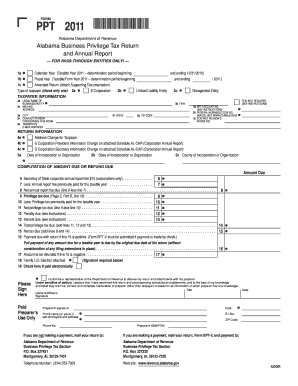
Definition and Meaning
The "workers comp form," short for "workers' compensation form," is a critical document used in the United States to facilitate the process of claiming workers' compensation benefits. These benefits provide financial support and coverage for employees who suffer work-related injuries or illnesses. The form is a standardized method to document the incident details, involved parties, and specific injuries sustained, ensuring accurate data collection for efficient processing and benefit allocation.
Purpose of the Workers Comp Form
- Claim Initiation: Serves as the official document to initiate the compensation claim process.
- Documentation: Collects detailed information about the injury or illness event.
- Verification: Functions as a verification tool for employer and insurance entities to confirm the validity of claims.
Detailed Examples
- Example 1: An employee slips on a wet floor at their workplace, leading to a back injury. This injury is documented through the workers comp form to ensure the employee receives the necessary medical coverage.
- Example 2: A factory worker experiences repetitive strain injury from machinery use. The workers comp form records the incident, prompting an investigation into workplace safety improvements.
How to Use the Workers Comp Form
Properly using the workers comp form involves several key steps to ensure thoroughness and compliance with regulations.
Steps for Effective Use
- Report Incident Promptly: Inform the employer about the injury or illness as soon as possible.
- Obtain the Form: Acquire the appropriate workers comp form from the human resources department or the state’s labor department website.
- Accurately Complete the Form: Fill out all required fields, including personal information, employer details, and a comprehensive description of the incident.
- Include Supporting Documentation: Attach any relevant medical reports or eyewitness statements to reinforce the claim.
- Submit the Form: Send the completed form to the designated recipient, usually the employer or insurance company, following any specific submission guidelines provided by the employer or state.
Steps to Complete the Workers Comp Form
Completing the workers comp form requires careful attention to detail to ensure all necessary information is accurately captured.
Filling Out the Form
- Personal Information: Include the employee’s full name, contact information, and Social Security number.
- Employer Details: Provide the employer’s name, address, and contact number.
- Incident Description: Clearly describe the circumstances of the injury or illness, including date, time, and location.
- Medical Treatment: Record any immediate medical attention received and the healthcare providers involved.
- Employee Signature: The employee must sign the form to certify the accuracy of the information provided.
Importance of Accuracy
Accurate completion of the form prevents delays and ensures fair compensation. Errors or omissions may lead to claim denials or prolonged processing times.
Key Elements of the Workers Comp Form
Understanding the essential components of the workers comp form aids in its effective completion and submission.
Primary Components
- Claimant’s Information: Identifying details about the injured party.
- Incident Report: Specifics of the injury or illness event.
- Employer Certification: Verification section for the employer to confirm the incident details.
- Medical Evidence: Section for attaching medical documentation.
- Official Use Section: Reserved for annotations by workers' compensation officials or insurance companies.
Sub-components
- Employment Status: Indicates whether the employee is full-time, part-time, or a contractor.
- Non-discrimination Clause: Legal assurance that claims will be handled without bias related to disability or other protected statuses.
State-Specific Rules for the Workers Comp Form
Workers comp forms and procedures may vary slightly between states, reflecting local laws and regulations.
Examples of State Differences
- California: May require additional documentation for safety violation reports due to stringent workplace safety laws.
- Texas: Offers distinct forms for voluntary vs. mandatory coverage scenarios due to opt-out provisions in their workers' compensation laws.
- New York: Emphasizes detailed reporting on occupational illnesses, aligning with comprehensive labor protection statutes in the state.
By understanding these variations, employees and employers can better navigate the claims process specific to their jurisdiction.
Required Documents
Several documents typically accompany the workers comp form to substantiate the claim's legitimacy.
Necessary Documentation
- Medical Reports: Detailed accounts from doctors or clinics treating the injury.
- Witness Statements: Testimonies from coworkers who witnessed the incident.
- Prior Correspondence: Any emails or memos between the employee and employer regarding the unsafe work conditions leading up to the event.
Importance of Completeness
Ensuring all required documents are included with the form can expedite the processing time and support the claim's validity.
Eligibility Criteria
Determining who is eligible to file a workers comp form is fundamental to the fair distribution of benefits.


General Eligibility Requirements
- Employment Status: Must be an employee (not an independent contractor) of the company at the time of the incident.
- Work-Related Injury: The injury or illness must occur as a direct result of employment duties.
- Timely Reporting: The incident should be reported and the form submitted within a specified time frame, typically within thirty days of the event.
Special Cases
- Out-of-State Employees: Workers temporarily working out-of-state may still file a claim, deferring to the laws of their company’s home state.
- Pre-existing Conditions: Aggravation of pre-existing conditions by work duties can qualify but may require additional medical evaluation to confirm causality.
Digital vs. Paper Version
Deciding between digital and paper submission of the workers comp form can impact the filing process and convenience for the user.
Comparison of Versions
- Digital Submission: Offers speed and efficiency, often accompanied by online tracking of the claim’s progress. Compatible with systems like DocHub for seamless editing and signing.
- Paper Submission: Preferred by some traditional employers or in regions with limited access to technology infrastructure.
Benefits of Digital Form Use
- Reduces handling time and mailing costs.
- Allows easy access and sharing with necessary parties.
- Ensures better record-keeping and storage security.