




Definition and Meaning
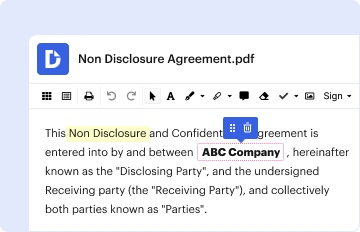
Purchasing Services Independent Contracts and Agreements are legal documents used to outline the terms and conditions between a buyer and a service provider. These contracts detail specific obligations, deliverables, timelines, and payment terms. They serve as a binding agreement to protect the interests of both parties, ensuring that the services provided meet the specified expectations. This form is essential for establishing the scope of work and can include provisions for confidentiality, intellectual property rights, and dispute resolution.
Key Elements of Purchasing Services Independent Contracts and Agreements
Understanding the fundamental components of these agreements is crucial for both parties involved:
- Scope of Work: Clearly defines the tasks and responsibilities expected from the service provider.
- Payment Terms: Outlines how and when payments will be made, including any advance payments, milestones, or final settlement.
- Timeline and Deadlines: Specifies the time frame for the completion of services, including any critical deadlines.
- Confidentiality and Non-Disclosure: Protects sensitive information that may be shared during the course of the agreement.
- Termination Clauses: Conditions under which the contract can be terminated by either party.
Steps to Complete the Purchasing Services Independent Contracts and Agreements
- Initial Discussion: Begin with a detailed conversation between the buyer and service provider to outline expectations and deliverables.
- Draft Agreement: Use the insights from discussions to create a draft outlining the scope, timelines, payment terms, and other critical elements.
- Review Period: Allow both parties ample time to review and suggest modifications.
- Legal Consultation: Engage legal experts to review the draft to ensure compliance with applicable laws and mitigate potential risks.
- Finalization: Incorporate any agreed changes and prepare the final document for signing.
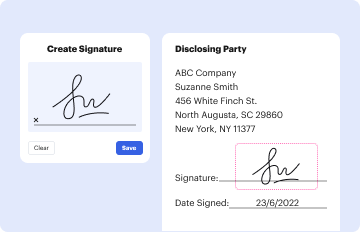
- Signatures: Both parties should sign the document to legally bind the agreement.
Important Terms Related to Purchasing Services Independent Contracts and Agreements
Understanding key terminology can enhance clarity and prevent misunderstandings:
- Indemnification: A clause where one party agrees to compensate the other for any loss or damage incurred.
- Force Majeure: Conditions under which obligations can be waived due to events beyond control, like natural disasters.
- Arbitration: A method of dispute resolution outside courts, often included to streamline conflict management.
Legal Use of the Purchasing Services Independent Contracts and Agreements
These contracts are enforceable under U.S. law and must comply with jurisdiction-specific regulations. They aim to minimize litigation risks by clearly outlining the duties and rights of both parties. For instance, the ESIGN Act ensures that electronic signatures used on these documents are legally binding, thus promoting efficiency and convenience.
State-Specific Rules for Purchasing Services Independent Contracts and Agreements
Certain elements of these agreements may vary based on state laws:
- Choice of Law: Specify which state’s laws will govern the contract.
- Tax Implications: States may have varying requirements for the taxation of services.
- Employment Distinction: Clarifications may be needed on whether the contract classifies an individual as an independent contractor or an employee.
Examples of Using the Purchasing Services Independent Contracts and Agreements
Real-world scenarios illustrate the utility of these documents:
- Freelance Graphic Design: A designer commits to creating a series of logos and receives payment upon milestone completion.
- IT Services Agreement: A tech company provides continuous support and development for an agreed-upon monthly fee.
- Construction Projects: Contractors outline the stages of work and corresponding payments tied to project deliverables.
Who Typically Uses the Purchasing Services Independent Contracts and Agreements
These contracts are widely used across various industries, including:
- Small Businesses: Engage freelancers or consultants for short-term projects.
- Corporate Entities: Require professional services from external vendors to support in-house teams.
- Government Agencies: Contract individuals or companies for public projects that demand specialized expertise.

Software Compatibility
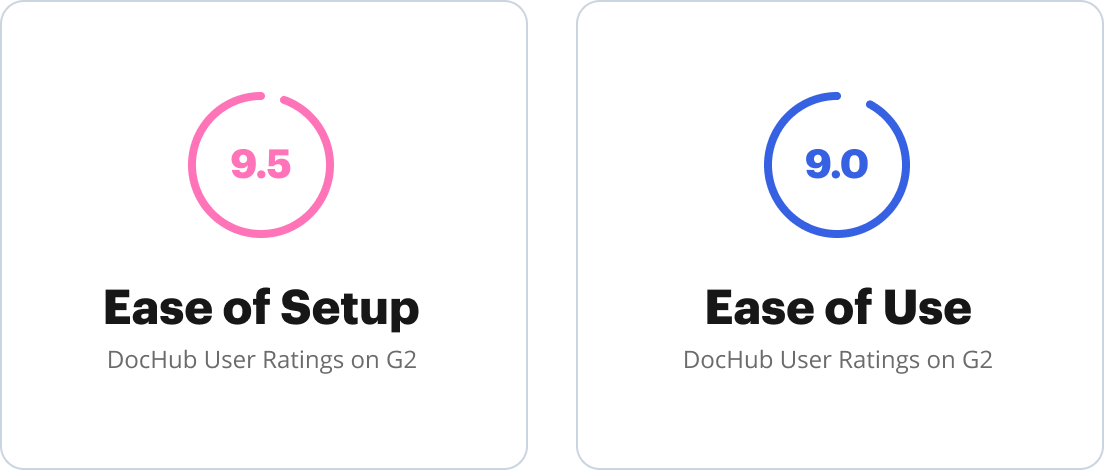
Platforms like TurboTax or QuickBooks facilitate the management of these agreements by offering templates and tools for record-keeping and compliance. Integration with document management solutions, like DocHub, provides seamless editing, signing, and storage capabilities, enhancing overall efficiency for businesses.