







Definition and Meaning
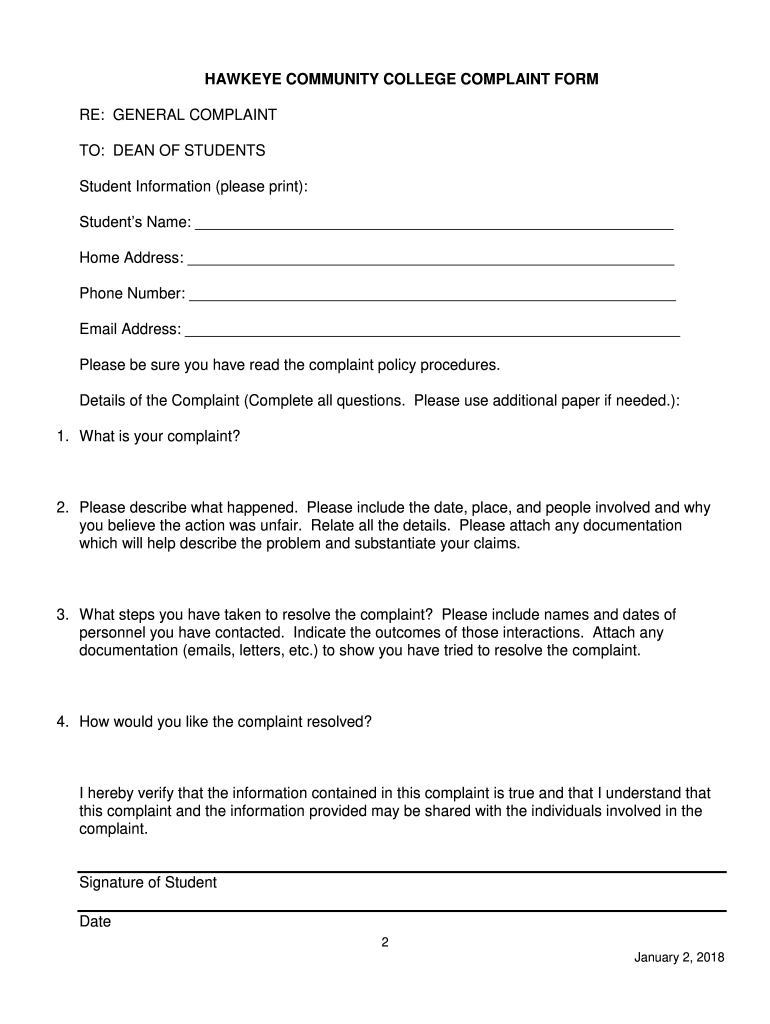
The "Federal Compliance Filing by Institutions Form" is an essential document used by various institutions to ensure adherence to federal regulatory requirements. This form plays a pivotal role in demonstrating an institution’s commitment to compliance and serves as an official record of its regulatory interactions. It typically includes details about the institution's operations, governance, and specific compliance measures undertaken to meet federal standards. The form helps establish transparency and accountability while minimizing the risk of non-compliance penalties.
Key Components
- Regulatory Information: The form often contains sections dedicated to listing regulations applicable to the institution.
- Organizational Details: Institutions are required to provide comprehensive details, including their nature, primary activities, and management structure.
- Compliance Measures: This includes steps the institution has taken to align with federal mandates.
How to Obtain the Federal Compliance Filing by Institutions Form
Acquiring the proper form is critical for ensuring all compliance requirements are met. Institutions can generally obtain the Federal Compliance Filing Form from the issuing federal agency’s website. Many agencies offer the form for download in multiple formats, including PDF and DOC, ensuring broad compatibility with document management platforms like DocHub.
Steps to Obtain
- Visit the Issuing Agency’s Website: Navigate to the official website of the relevant federal agency.
- Use the Search Function: Enter the form's name in the search bar to find the correct document.
- Select Download Format: Choose the format best suited to your workflow, ensuring compatibility with your existing document management tools.
Common Sources
- Federal Department Websites: Agencies such as the Department of Education or the Department of Health and Human Services, depending on the institution's focus area.
- Federal Register: Often provides links to compliance forms and related documentation.
Steps to Complete the Federal Compliance Filing by Institutions Form
Completing the Federal Compliance Filing Form requires careful attention to detail to avoid errors that could result in non-compliance issues. The process generally involves gathering relevant information about the institution and ensuring accurate data entry.
Detailed Instructions
- Gather Necessary Documents: Collect financial statements, compliance records, and organizational documents.
- Fill Out Organizational Details: Input precise information about the institution's structure and governing body.
- Detail Compliance Actions: Document all the compliance measures and actions taken by the institution.
- Review Completed Form: Thoroughly check for any inaccuracies or incomplete sections.
- Submit as Required: Follow specific submission instructions, which may include online submission or mailing a physical form.
Potential Pitfalls
- Incomplete Information: Ensuring every section is filled out thoroughly is crucial to avoid follow-up actions.
- Misreported Data: Double-check all figures and statements for accuracy before submission.
Who Typically Uses the Federal Compliance Filing by Institutions Form
The form is predominantly utilized by educational, financial, and healthcare institutions, which are often subject to rigorous federal oversight. Each sector uses the form to comply with industry-specific federal regulations.


Key Users
- Educational Institutions: Colleges and universities filing for compliance with educational standards.
- Financial Institutions: Such as banks and credit unions adhering to financial regulations.
- Healthcare Organizations: Hospitals and clinics complying with health care laws.
User Scenarios
- Universities: To maintain eligibility for federal funding, they must submit compliance filings demonstrating adherence to educational mandates.
- Banks: Use the form to ensure compliance with financial regulations and better manage internal audits.
Legal Use of the Federal Compliance Filing by Institutions Form
The legal implications of mishandling this form can be significant. Proper use of the Federal Compliance Filing Form helps institutions maintain compliance with federal laws, thereby avoiding potential penalties.
Compliance Overview
- Federal Mandates: Institutions are legally required to file this form to demonstrate adherence to federal regulations.
- Penalties for Non-Compliance: Failure to file or incorrect filings can lead to fines, legal action, or loss of accreditation.
Best Practices
- Timely Submission: Ensure forms are submitted by specified deadlines to avoid penalties.
- Accurate Record-Keeping: Maintain records of all submitted forms for at least several years to provide proof of compliance.
Key Elements of the Federal Compliance Filing by Institutions Form
Understanding the primary components of the form can significantly ease the filing process. Each section of the form serves a distinct purpose in detailing compliance efforts.
Essential Sections
- Institutional Information: This section captures basic yet critical details about the institution.
- Compliance Actions: Allows institutions to outline specific steps taken to meet federal requirements.
- Certifications: Often requires a signed declaration by an authorized representative attesting to the accuracy of the form.
Importance
- Demonstrates Due Diligence: Proper completion shows that the institution actively works to meet all legal requirements.
- Establishes Accountability: Clear delineation of roles and responsibilities within the institution regarding compliance.
State-Specific Rules for the Federal Compliance Filing by Institutions Form
While the form serves a federal purpose, state-specific regulations can impact the filing process. Institutions must be aware of and account for any such nuances in their compliance activities.
Variations by State
- Additional Information: Some states may require supplementary reporting alongside federal compliance.
- State-Specific Deadlines: Institutions must be mindful of differing deadlines that could affect filing timelines.
Adaptation Strategies
- Consult Local Experts: Hiring or consulting with legal experts or compliance officers familiar with state regulations can safeguard against non-compliance.
- Regular Updates: Stay informed on state-specific changes that may impact the form's requirements.
Filing Deadlines and Important Dates
Ensuring submission by the designated deadlines is crucial for compliance. Federal and state offices provide timelines that institutions must follow to maintain their standing.
Key Deadlines
- Federal Deadlines: Typically set annually but may vary with different regulations and requirements.
- State-Adjusted Dates: Depending on specific regional policies, deadlines might vary within states.
Submission Tips
- Calendar Alerts: Integrate deadlines into organizational calendars with regular alerts.
- Early Preparation: Start compiling necessary documents well in advance to accommodate unforeseen delays.
Required Documents for Completing the Form
Gathering all required documentation is a critical step in the successful filing of the Federal Compliance Form. Ensuring that these documents are current and accurate is vital for regulatory compliance.
Important Documents
- Financial Records: Recent statements and audits relevant to the institution's fiscal activities.
- Compliance Records: Evidence of previous compliance measures and audits.
- Organizational Structure: Documentation outlining the institution's management hierarchy and governance.
Preparation Tips
- Checklists: Utilize checklists to ensure no document is overlooked during preparation.
- Document Storage: Maintain organized and secure storage of all compliance documentation to facilitate easy access during the filing process.




