




01. Edit your form online
Type text, add images, blackout confidential details, add comments, highlights and more.

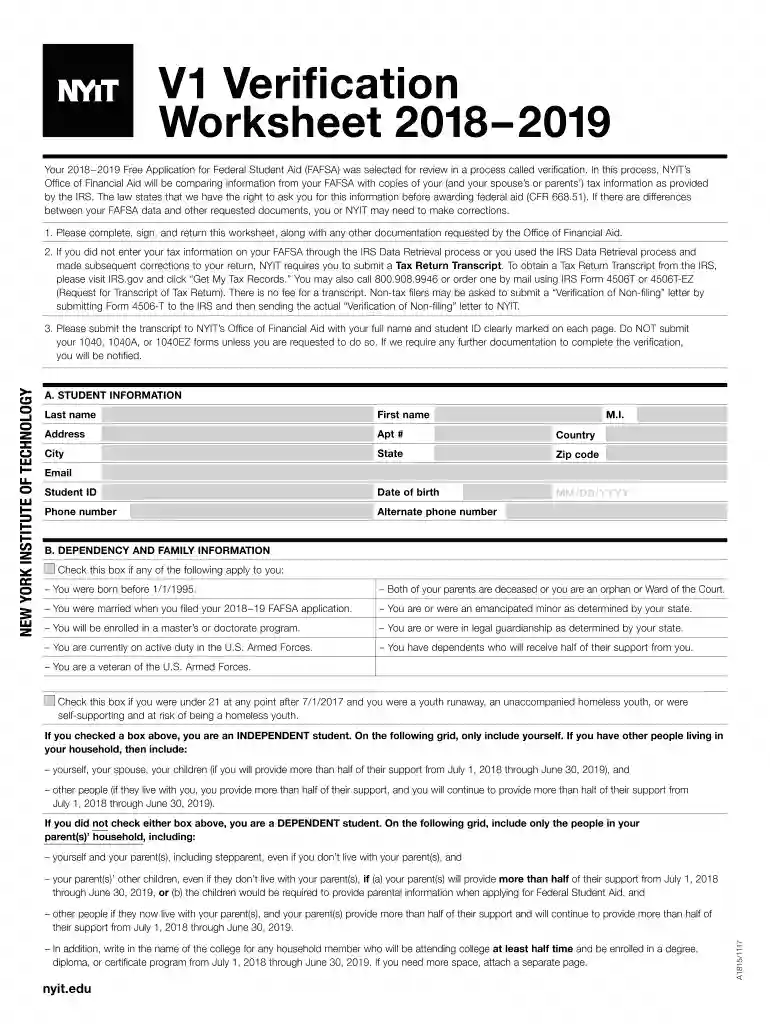
Type text, add images, blackout confidential details, add comments, highlights and more.

Draw your signature, type it, upload its image, or use your mobile device as a signature pad.

Send it via email, link, or fax. You can also download it, export it or print it out.
The term "Worksheet 2" typically refers to a specific form or document used for organizational, educational, or financial purposes during the 2 period. Such worksheets are often integral in collating information or performing calculations essential to various procedures. They might be used in contexts like education, where students and educators manage coursework, or finance, where individuals and entities track income and expenses for documentation, such as tax preparation.
Using the Worksheet 2 effectively requires understanding its layout and purpose. Most worksheets are formatted to allow users to input data, answer queries, or execute calculations. To use the worksheet:
Identify Sections: Before entering any data, familiarize yourself with the sections of the worksheet, such as headers, data entry fields, and sections for calculations.
Data Entry: Input the required information accurately. Double-check for numerical accuracy, especially if dealing with financial data.
Follow Instructions: Each worksheet usually contains instructions; follow them diligently to ensure correct data processing.
Review and Save: Ensure all information is complete and saved, whether using a digital format that allows saving as a PDF or a printed version for physical records.
Completing Worksheet 2 involves several steps designed to ensure accuracy:
Gather Necessary Documents: Have all required documents, such as income statements, academic reports, or any pertinent data, ready for reference.
Use a Template or Software: For efficiency and precision, use a compatible template or software like Excel, TurboTax, or Google Sheets that corresponds with this worksheet version.
Input Data Methodically: Enter data systematically according to the form’s layout. Double-check each entry for errors.
Verify Calculations: If the worksheet involves calculations, verify the math using digital tools or manual checks.
Check for Completeness: Ensure no sections are left blank unless specified as optional.
Securely Submit or Store: Once completed, submit the worksheet according to the institution’s guidelines or securely store it if kept for record-keeping.
Understanding certain terms related to Worksheet 2 can improve user experience and accuracy:
The legal use of Worksheet 2 varies based on its context and regulations governing the particular domain:
Financial: In financial settings, such as tax preparation, ensure adherence to IRS guidelines which specify documentation requirements.
Educational: For academic worksheets, legal use involves authenticity in reporting grades or credits by educators and students.
Compliance: Always ensure that any data entered into the worksheet is accurate and truthful to meet legal compliance.
Understanding the key elements within Worksheet 2 provides clarity for accurate completion:
Title and Identification: Includes the name and purpose of the worksheet and fields for personal or organizational identifiers.
Data Entry Fields: Dedicated spaces for users to input the necessary data.
Instructional Notes: Guidelines or explanations on how to complete the worksheet accurately.
Final Audit Section: This may include a section for sign-offs or notes confirming data accuracy and agreement.
The worksheet is typically used by a variety of individuals and entities depending on its intended context:
Students and Educators: Manage academic records and assignments for the school year.
Taxpayers and Accountants: Collect and organize financial data for accurate tax filings.
Businesses: Track operational data relevant to financial year planning.


To complete the Worksheet 2 effectively, certain documents may be required:
Financial Records: Tax statements, income proofs, and expense reports for financial worksheets.
Academic Documentation: Transcripts or certification forms for educational worksheets.
Identification: IDs or organizational credentials for verification purposes.
Using software increases efficiency and accuracy when working with Worksheet 2:
TurboTax: Streamlines completion for tax-related worksheets.
QuickBooks: Useful for business account management related to worksheet processes.
Google Sheets/Excel: Ideal for digital manipulation, allowing easy data entry and calculations.
Understanding compatibility ensures optimal use of technology to assist with document completion.
We've got more versions of the Worksheet 2018 2019 form. Select the right Worksheet 2018 2019 version from the list and start editing it straight away!
At DocHub, your data security is our priority. We follow HIPAA, SOC2, GDPR, and other standards, so you can work on your documents with confidence.
2018-2019 Foreign Income Worksheet Page. Use the worksheet on the back to help you convert foreign income information to US dollars.
Oct 3, 2017 The 2018-2019 FAFSA on the Web Worksheet provides a preview of questions that students and parents may be asked while completing the FAFSA at


