
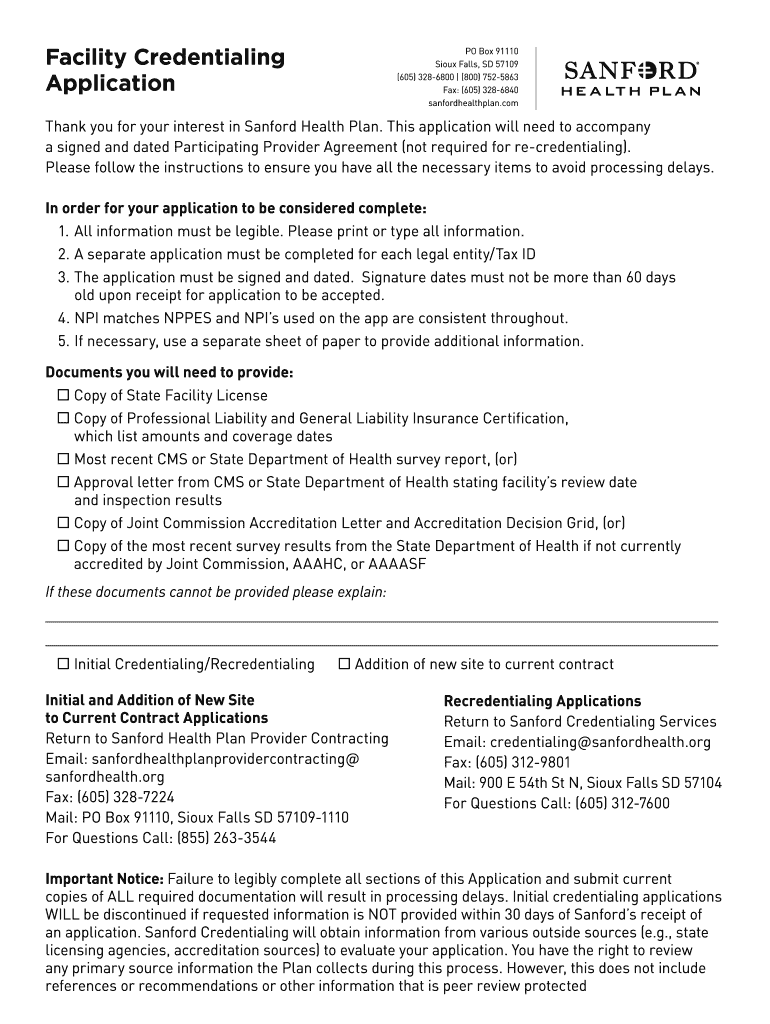







Definition & Meaning
The SVHP-0077 SD Commercial Policy with HP-0586 amendment refers to a tailored insurance policy that incorporates specific amendments detailed by the HP-0586 clause. This document is critically utilized in commercial insurance practices and provides a framework for policyholders to understand the scope and limitations of their coverage. The policy aims to enhance and define insurance terms, conditions, and responsibilities that accommodate unique commercial needs, usually in response to specific industry requirements or regulatory changes.
How to Use the SVHP-0077 SD Commercial Policy with HP-0586 Amendment
This policy document serves various purposes, particularly for businesses seeking clarity on insurance coverage adjustments. Users can employ this policy to:
- Review Coverage Details: Understand the specific coverages and exclusions tailored by the HP-0586 amendment.
- Modify Existing Policies: Adjust insurance plans to include or exclude certain scenarios as defined by company or regulatory needs.
- Ensure Compliance: Align with industry standards and legal requirements pertinent to commercial operations.
By utilizing this document, businesses can make informed decisions regarding their insurance policies and ensure alignment with their operational risk management strategies.
How to Obtain the SVHP-0077 SD Commercial Policy with HP-0586 Amendment
Businesses or individuals seeking this policy amendment should follow several steps to obtain it:
- Contact an Insurance Provider: Reach out to your current insurance company or broker to request the SVHP-0077 document and discuss necessary amendments.
- Consult Legal Advisors: Ensure that the amendment aligns with your legal and operational needs.
- Review Terms: Thoroughly examine the document to understand the coverage changes and implications.
- Sign and Ratify: After mutual agreement on terms, sign the amendment to formally incorporate it into your commercial policy.
Steps to Complete the SVHP-0077 SD Commercial Policy with HP-0586 Amendment
Completing the amendment involves several clear, defined steps:
- Initial Consultation: Meet with your insurance broker to outline coverage needs and assess risks.
- Documentation Preparation: Gather relevant documents, such as prior insurance policies and records of claims, to facilitate discussions.
- Draft Review: Examine the draft amendment provided by the insurer, focusing on new terms introduced by the HP-0586 amendment.
- Discussions and Negotiations: Engage with the insurer to fine-tune specifics until mutual agreement is reached.
- Final Approval: Obtain legal review and sign-off on the amendment to finalize coverage changes.
Key Elements of the SVHP-0077 SD Commercial Policy with HP-0586 Amendment
This policy amendment is comprised of several critical components:
- Coverage Definitions: Specific risks covered under the amended policy.
- Exclusions and Limitations: Situations and claims not included in the coverage.
- Conditions for Claims: Procedures and timelines for filing claims.
- Legal Responsibilities: Obligations of the insurer and policyholder.
Understanding these elements is essential to maximizing the benefits of the policy while minimizing potential liabilities.
Who Typically Uses the SVHP-0077 SD Commercial Policy with HP-0586 Amendment
The amendment is primarily utilized by various businesses, including:
- Small to Large Enterprises: Companies seeking to tailor insurance coverage to specific risks.
- Industry-Specific Organizations: Businesses in regulated industries requiring specialized policy amendments.
- Legal and Risk Management Professionals: Experts responsible for aligning insurance coverage with strategic operational needs.


Legal Use of the SVHP-0077 SD Commercial Policy with HP-0586 Amendment
The amendment serves legally binding purposes:
- Contractual Obligations: It forms part of the insurance contract, enforceable under relevant commercial law.
- Compliance Document: Ensures businesses align with state and federal regulations.
- Risk Mitigation: Provides a legal framework for managing business risk exposure within insured parameters.
Form Submission Methods (Online / Mail / In-Person)
Organizations can submit amendment-related requests and final documents through various channels:
- Online: Use insurance provider portals to submit digital copies.
- Mail: Send hard copies of signed documents to the insurance company’s office.
- In-Person: Arrange direct meetings with insurance representatives for document submissions and discussions.
Choosing the appropriate submission method depends on the preference and urgency of the amendment process.
Required Documents
Documentation is crucial for ensuring completeness and compliance:
- Previous Insurance Documents: Copies of existing policies and claims history.
- Business Licenses and Certificates: Proof of legal business operation for legitimacy.
- Legal Identification: IDs of business representatives involved in the amendment process.
Proper documentation ensures a smooth amendment process and facilitates efficient implementation.
Business Types that Benefit Most from SVHP-0077 SD Commercial Policy with HP-0586 Amendment
Certain businesses see significant gains from employing this policy amendment:
- Manufacturing and Production: Firms needing comprehensive risk support.
- Regulated Industries: Sectors such as healthcare and finance with stringent insurance requirements.
- Startups: New businesses seeking flexible yet robust insurance solutions to accommodate growth.
These entities leverage the amendment to align their insurance policies with specific industry standards and operational risks.
Digital vs. Paper Version
The amendment can be utilized in both digital and paper formats:
- Digital Version: Facilitates easy updates, sharing, and integration with management systems.
- Paper Version: Provides a physical copy for formal record-keeping and regulatory compliance.
Each version offers benefits tailored to different organizational needs and preferences for document management.




