
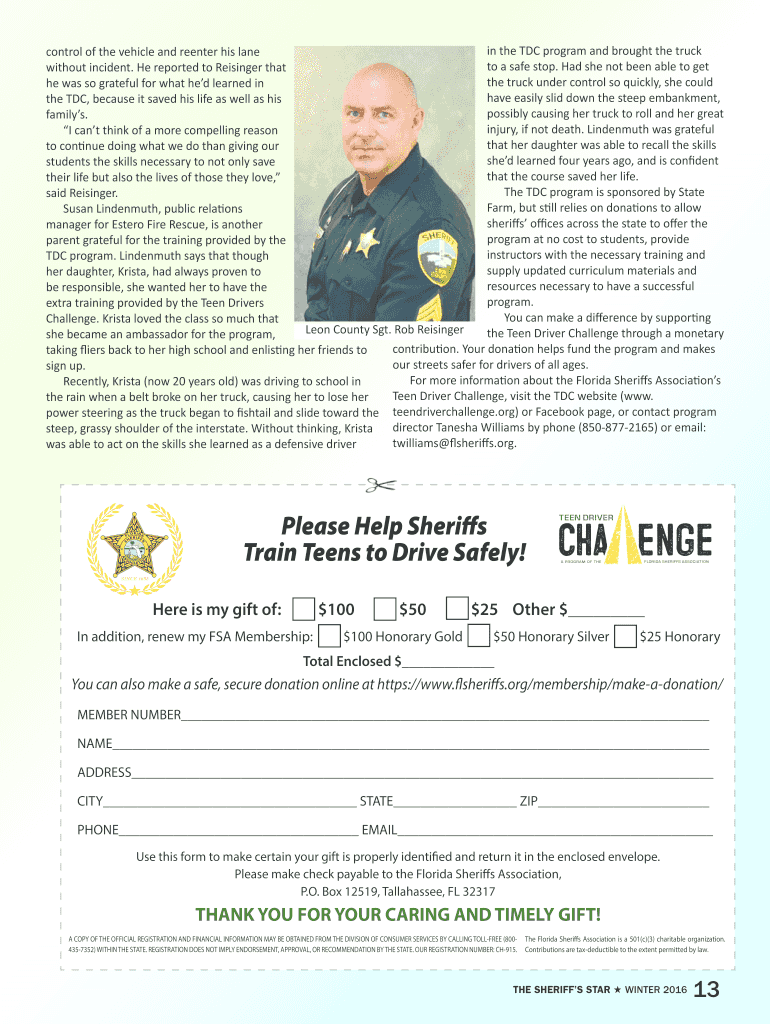







Definition & Purpose of TDC Trains Our Teens to Drive Safely
The TDC Trains Our Teens to Drive Safely form pertains to a program aimed at enhancing driving skills among teenagers. This initiative focuses on addressing critical driving issues such as speeding, distracted driving, and substance use. The program is structured to provide essential skills and knowledge that help prevent accidents and improve road safety. Established with the intent to minimize teen-driving-related incidents, it offers free training sessions led by licensed instructors, specifically targeting the teenage demographic.
Objectives of the Program
- Enhance Teen Driving Skills: Focus on practical driving education.
- Promote Road Safety Awareness: Educate about the dangers of distracted and impaired driving.
- Build Confidence Among Young Drivers: Provide tools and techniques to handle various road situations.
Training Sessions
- Led by Licensed Instructors: Ensure professional and standardized teaching.
- Duration and Frequency: Typically structured over two days; regular sessions to meet increasing demand.
- Content Coverage: Includes driving simulations, handling emergencies, and understanding road signs.
Steps to Complete the TDC Trains Our Teens to Drive Safely Program
Completing the TDC program involves several structured steps to ensure comprehensive learning.
-
Registration:
- Sign up for the program through local law enforcement or designated platforms.
- Provide necessary documents like identification and consent forms.
-
Attend Training Sessions:
- Participate actively in both classroom and in-vehicle training.
- Sessions cover theoretical knowledge and practical driving exercises.
-
Assessment:
- Undergo evaluation to review understanding and application of driving skills learned.
- Feedback provided by instructors to highlight strengths and areas needing improvement.
-
Certification:
- Receive a certificate of completion that acknowledges the training undertaken.
- Often used for potential insurance discounts or driving privileges.
Why Should Teens Participate in the TDC Program
Participation in the TDC program provides numerous benefits to teenage drivers, significantly impacting their driving habits and overall safety.
Increased Safety Awareness
- Understanding Risks: Comprehensive learning about the dangers of speeding and distractions.
- Preventive Techniques: Learn proactive ways to avoid accidents and manage high-risk situations.
Enhanced Driving Proficiency
- Skill Development: Master essential driving skills necessary for safe road use.
- Confidence Building: Gain confidence through hands-on practice and expert guidance.
Community Engagement
- Support from Local Authorities: Often bolstered by sheriff’s offices, creating a community-backed initiative.
- Recognition and Incentives: Programs often include incentives such as insurance discounts and driving permits advantages.
Important Terms Related to TDC
Understanding key terms associated with the TDC program is crucial for participants and their guardians.
Glossary of Terms
- Distracted Driving: Any activity that diverts attention away from the primary task of driving.
- Substance Use: Consumption of alcohol or drugs, impairing driving ability.
- Defensive Driving: Techniques used by drivers to anticipate potential hazards and react accordingly.
Training-specific Language
- Simulation: Computer-based driving scenarios to mimic real-life situations.
- Evaluation: Formal assessment to measure skill acquisition and understanding post-training.
State-Specific Rules for TDC
While the TDC program is comprehensive, requirements and execution can vary slightly by state, necessitating awareness of specific local rules.
Variations in Execution
- State-Endorsed Modifications: Some states might offer extended components or additional modules in the program.
- Local Regulation Compliance: Adapts legal driving age restrictions and state traffic laws into training syllabus.
Participation Rules by State
- Minimum Age Requirements: Typically designed for drivers who are about to receive or recently acquired a learner’s permit.
- Eligibility Conditions: Parental or guardian consent might be mandatory in certain jurisdictions.
Examples of TDC Program Impact
The TDC program has demonstrated considerable positive outcomes and can be illustrated through several examples.
Case Studies
- Youth Testimonials: Participants frequently report heightened awareness and improved skill sets post-training.
- Statistical Improvement: Studies conducted periodically indicate reduced accident rates among graduates versus non-participants.
Real-World Impacts
- Parental Feedback: Parents often notice a marked improvement in their teen’s driving habits and increased responsibility.
- Community Recognition: Programs like TDC receive community support and acknowledgment as valuable safety measures.
Digital vs. Paper Version
The management and administration of the TDC program might be documented and submitted through various formats.
Digital Formats
- Online Registrations: Allow teens and guardians to register via digital platforms streamlining the signup process.
- Virtual Components: Some modules might include online learning segments adaptable to remote circumstances.
Paper Formats
- Traditional Documentation: Consent forms and permissions often require physical signatures.
- Manual Submission: Certain assessments or certificates might still be issued in physical form for tangible records.
Application Process & Approval Time
Engaging with the TDC program requires adherence to an application process, ensuring each participant meets the necessary criteria.
Application Steps
- Submit Registration: Initial application includes personal information and necessary consent.
- Review Period: Applications are reviewed for eligibility with status typically confirmed within a specified period.
Approval Timeline
- Acceptance Notification: Participants are informed of acceptance usually within weeks of applying.
- Schedules Allotment: Depending on demand, approved applicants may be assigned to specific session dates promptly.
Who Typically Uses the TDC Program
The TDC program primarily serves teenagers by equipping them with crucial driving skills, though various groups can benefit.


Primary Audiences
- Teen Drivers: Main beneficiaries, receiving direct training and education.
- Parents and Guardians: Gain peace of mind knowing their teens are well-trained.
Secondary Audiences
- Community Stakeholders: Local organizations and schools support the program as part of youth safety initiatives.
- Insurance Companies: May use completion as a criterion for reduced rates or policy discounts.


