





Definition & Meaning
The Giro Form is an essential tool used for setting up automatic monthly deductions from a customer's bank account to pay credit or charge card bills. It facilitates the Interbank GIRO payment system, allowing seamless transfers between different banks. Users authorize payments directly from their bank account to the billing entity, thereby streamlining bill payments and reducing manual intervention. This form is crucial in financial planning and budgeting, as it ensures consistent, timely payments without the need for repetitive manual processes.
Key Elements of the Giro Form
Understanding the Giro Form involves recognizing its key components, all of which ensure clear communication between the payer, the payee, and the bank. These elements include:
- Customer Information: Includes personal details such as name, contact information, and possibly an account number, crucial for identifying the individual to whom the account is linked.
- Bank Details: A critical section where users input their bank account number and bank code, ensuring accurate direction of payment instructions to the correct financial institution.
- Payment Instructions: Clearly outlines the parameters of payment, including frequency and amount, as agreed upon between the customer and the payee.
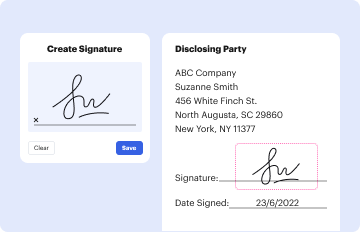
- Authorization: It grants permission to the bank to process specified payments on the customer’s behalf. The customer signs this section to verify consent and facilitate the transaction.
Who Typically Uses the Giro Form
The Giro Form is commonly utilized by individuals and businesses that require an efficient method for managing periodic financial obligations. Typical users include:
- Consumers who wish to automate bill payments for utility services, credit card dues, or subscription fees.
- Businesses that handle regular supplier payments or recurring vendor services.
- Financial institutions offering it as part of their customer service package to enhance payment reliability.
The form's widespread adoption in the United States signifies its reliability and effectiveness in managing regular payments.


Steps to Complete the Giro Form
Completing a Giro Form involves a step-by-step process to ensure correct authorization and processing:
- Gather Required Information: Collect personal and bank details, including account and routing numbers, to fill out the form accurately.
- Fill Out Personal Details: Enter the customer's name, contact details, and any relevant account information.
- Input Bank Information: Provide bank account number, bank code, and any pertinent routing information.
- Define Payment Details: Specify the amount, frequency, and duration of payments.
- Authorize the Form: Sign the authorization section to provide legal consent for the bank to execute payments.
- Submit the Form: Depending on the issuer's stipulations, the form may be sent online or sent physically to the appropriate bank or service provider department.
Legal Use of the Giro Form
Adhering to legal standards is imperative when using a Giro Form. These legal considerations ensure that transactions are not only smooth but also compliant:
- ESIGN Act Compliance: In the U.S., electronic signatures on GIRO forms are recognized as legally binding under the ESIGN Act.
- Consent Confirmation: Customers must clearly consent to the terms, ensuring awareness of the regular deductions from their accounts.
- Adequate Disclosure: Full disclosure of all terms associated with the deductions is mandatory to protect all parties involved.
Why Should You Use the Giro Form
Adopting the Giro Form system offers substantial advantages, such as:
- Efficiency: Automates repetitive processes, freeing users from remembering due dates.
- Security: Reduces the possibility of missing a payment and incurring late fees.
- Convenience: Simplifies complex financial transactions by consolidating them into seamless, automatic payments.
By leveraging these benefits, users can optimize their financial management practices, aligning with modern preferences for digital payment methods.
Important Terms Related to Giro Form
A thorough understanding of the Giro Form includes familiarization with related terminologies, ensuring users can navigate associated processes adequately:
- Authorization Code: A unique identifier provided to validate the GIRO transaction setup.
- Debit Authorization: A formal approval acknowledging the account holder’s consent to permit the withdrawal of funds.
- Processing Bank: The financial institution that undertakes the responsibility of handling the transaction.
Examples of Using the Giro Form
Real-world scenarios of Giro Form utilization highlight its applicability:
- Subscription Services: Users set up GIRO payments for magazine or online streaming services.
- Utility Payments: Automates bills for electricity, water, or internet, ensuring timely settlements without manual intervention.
- Loan Repayments: Facilitates scheduled deductions for loan payments, aiding in maintaining good credit health.
Each use case underscores the capability of the Giro Form to simplify financial transactions across different sectors, enhancing user convenience and reliability.


