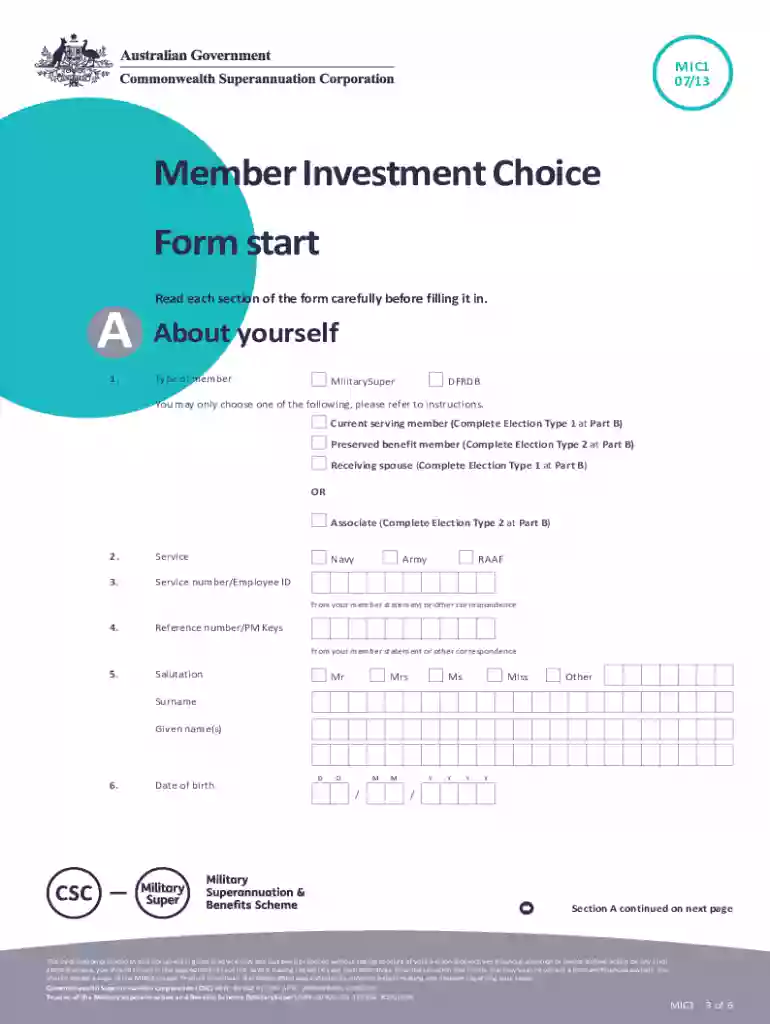
Definition and Meaning of Foreign Direct Investment, Processing Trade, and the Other Aspects
Foreign Direct Investment (FDI) refers to investment made by a company or individual in one country into business interests located in another country. Typically, FDI occurs when a foreign entity establishes operations or acquires tangible assets in a country outside of its origin. Processing trade involves importing materials or components from abroad, processing them, and subsequently exporting the finished goods. This system contributes significantly to international trade dynamics by incentivizing cross-border supply chain integration.
Various components synergize to facilitate the flow of investment and goods, promoting economic ties between countries. FDI can drive technology transfer, increase employment opportunities, and open new markets, while processing trade allows for cost-efficient production and specialization.
How to Use the Foreign Direct Investment, Processing Trade, and the Form
Understanding how to use the form related to Foreign Direct Investment and Processing Trade is essential for ensuring compliance and optimizing business operations. Typically, this form is used to declare investment activities, outline trade procedures, and report on processing trade transactions. To use the form effectively:
- Identify the Purpose: Determine if the form is needed for reporting investments, processing trade activities, or both.
- Gather Information: Ensure you have all necessary data, including investment amounts, transaction details, and relevant dates.
- Complete Required Sections: Fill out all mandatory sections, focusing on accuracy to avoid discrepancies.
- Attach Documentation: Include supporting documents such as financial statements, contracts, and trade certificates.
- Review and Submit: Carefully review the entire form for accuracy before submitting it through the specified method.
Steps to Complete the Foreign Direct Investment, Processing Trade, and the Form
Completing the form accurately necessitates following a structured approach to ensure all information is captured correctly.
- Prepare Documentation: Collect all necessary data, including financial records, investment documents, and trade agreements.
- Follow Instructions: Read the form's instructions thoroughly to understand which sections are relevant to your activities.
- Fill Out Personal and Business Information: Start by completing general information about your business or personal identification if applicable.
- Detail Investment Activities: Specify the nature, purpose, and amount of the foreign direct investment made.
- Outline Processing Trade Operations: Describe the import and export activities, including product descriptions and quantities.
- Ensure Compliance: Double-check entries against regulatory guidelines to confirm everything is within legal standards.
- Submit Form Appropriately: Submit the form via mail, online portal, or in-person as dictated by the issuing body’s requirements.
Key Elements of the Foreign Direct Investment, Processing Trade, and the Form
The form comprises several critical elements designed to capture a comprehensive picture of foreign direct investments and processing trade activities.
- Investment Details: Specifics about the investment, including scale, nature, and intended economic impact.
- Trade Operation Information: Details about the materials imported for processing and the finished goods exported.
- Compliance Checks: Sections requiring verification against legal and regulatory standards.
- Supporting Documentation: An area to list attached documents that substantiate the reported activities.
- Signatory Approval: A space for authorized personnel to sign off on the reported information, affirming its accuracy.
Who Typically Uses the Foreign Direct Investment, Processing Trade, and the Form
The form is primarily used by business entities engaged in cross-border investment and trade activities. These can include:

- Multinational Corporations: Entities that have operations or interests in multiple countries.
- Manufacturing Companies: Businesses involved in processing imported components for export.
- Financial Institutions: Banks and investment firms tracking and managing foreign investments.
- Trade Facilitators: Intermediary organizations involved in managing or advising on trade operations.
Legal Use of the Foreign Direct Investment, Processing Trade, and the Form
Using the form appropriately aligns with several legal and regulatory requirements essential for lawful foreign investment and trade activities.
- Compliance with International Trade Laws: Ensures activities adhere to laws governing international exchanges.
- Investment Reporting Obligations: Meets national requirements for reporting and documenting foreign direct investments.
- Regulatory Adherence: Helps avoid legal penalties by ensuring all trade and investment complies with both domestic and international regulations.
- Audit Trails: Maintains a verifiable record of transactions for potential audits by regulatory authorities.
Important Terms Related to Foreign Direct Investment, Processing Trade, and the Form
Understanding key terminology is crucial for accurate form completion and communication with regulatory bodies.
- Direct Investment: Involvement in businesses in another country, often through capital investment or business operations.
- Processing Trade: The import of components or materials for processing and subsequent export of finished goods.
- Regulatory Compliance: Adhering to laws and guidelines governing international investments and trade.
- Documentation: Required paper or digital records supporting investment and trade details reported in the form.
Examples of Using the Foreign Direct Investment, Processing Trade, and the Form
Practical examples can illustrate the usage of the form in real-world scenarios, facilitating a clear understanding of its application.
- A U.S. tech company invests in establishing a data center in an overseas market. The company would use the form to report this investment and declare its intentions, meeting host country regulatory requirements.
- An American automobile manufacturer imports parts from Asia for assembly in a domestic facility. The company would document these transactions to comply with processing trade agreements, ensuring reported trade matches import/export reconciliations.
Required Documents for Foreign Direct Investment, Processing Trade, and the Form
To complete the form accurately, certain documents are typically required to support the information provided:
- Investment Agreements: Contracts outlining investment terms and conditions.
- Trade Invoices: Bills documenting purchased materials and exported goods.
- Financial Statements: Records reflecting the financial state relevant to the trade and investment activities.
- Legal Authorizations: Permits or approvals from regulatory bodies concerning trade and investment operations.