




Definition & Meaning
The "Data Use Agreement for Academic Year 2019-20" serves as a formal contract establishing the terms under which data, particularly personally identifiable information (PII), can be shared between high schools and the Michigan Department of Treasury. This agreement is designed to protect sensitive information and ensure compliance with the Family Educational Rights and Privacy Act (FERPA) regulations. By setting clear guidelines on data handling, the agreement ensures that both parties understand their responsibilities and limitations regarding data usage during the specified academic year.
- Personally Identifiable Information (PII): This refers to any data that can be used to identify a specific individual, such as names, addresses, and Social Security numbers. The agreement outlines how this information should be protected.
- FERPA Compliance: FERPA is a federal law that protects the privacy of student education records. The agreement includes clauses to ensure that all data use complies with FERPA requirements.
Key Elements of the Data Use Agreement for Academic Year 2019-20
The agreement consists of several essential components that define the scope of data use, responsibilities of the involved parties, and security measures.
Data Sharing Protocols
- Purpose of Data Sharing: Clearly outlines the specific educational programs and evaluations for which the data will be used.
- Data Recipients: Details the individuals or groups authorized to access the data, ensuring limited and controlled dissemination.
Security Obligations
- Data Protection Measures: Describes technical and administrative measures to safeguard data against unauthorized access, including encryption and access controls.
- Breach Notification Procedures: Provides a step-by-step process to follow in the event of a data breach, encompassing immediate reporting obligations and corrective actions.
Steps to Complete the Data Use Agreement for Academic Year 2019-20
Filling out the Data Use Agreement requires careful attention to detail to ensure completeness and compliance.
- Review the Agreement: Carefully read through all sections of the agreement to understand the terms and responsibilities.
- Identify Data Recipients: List and verify the personnel who will have access to the data under the agreement.
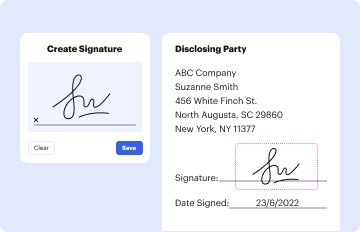
- Signatures Required: Collect the necessary signatures from designated school officials and representatives from the Michigan Department of Treasury.
- Submit the Agreement: Once completed, submit the document as instructed, typically via mail or online submission portal.
Who Typically Uses the Data Use Agreement for Academic Year 2019-20
This agreement is primarily utilized by educational institutions and governmental departments.
- High Schools: They use the agreement to legally share student data for program evaluation and compliance purposes.
- Michigan Department of Treasury: Engages with various institutions to facilitate data-driven program assessments and reporting.

Legal Use of the Data Use Agreement for Academic Year 2019-20
The agreement is a legally binding document that outlines specific legal expectations and ramifications related to data usage.
Ensuring Legal Compliance
- FERPA Regulations: Ensures that the data use is in strict accordance with FERPA laws, which protect the privacy of student education records.
- Penalties for Breach: Specifies legal consequences should either party fail to adhere to the established data handling protocols.
State-Specific Rules for the Data Use Agreement for Academic Year 2019-20
The agreement incorporates state-specific rules relevant to Michigan.
- Data Use Restrictions: Detailed provisions that may apply uniquely to Michigan's legislative requirements around data privacy.
- Cooperation with State Departments: Additional stipulations for collaboration with other Michigan state departments or agencies.
Important Terms Related to Data Use Agreement for Academic Year 2019-20
Understanding specific terms is crucial for correctly interpreting the agreement.
- Data Stewardship: Refers to the responsibility of managing data efficiently, ethically, and securely.
- Confidentiality: This section emphasizes maintaining strict control over data access and sharing.
Examples of Using the Data Use Agreement for Academic Year 2019-20
Real-world scenarios illustrate the practical application of the agreement.
- Program Evaluation: High schools use the agreement to securely share data with the Michigan Treasury Department for assessing the effectiveness of state-funded education programs.
- Research Collaboration: The agreement supports partnerships between educational institutions and government entities to research and improve educational outcomes while safeguarding student data.
Penalties for Non-Compliance
Non-compliance with the agreement’s conditions can result in significant penalties.
- Financial Penalties: Potential fines or financial reparations required if data misuse occurs.
- Legal Action: The possibility of lawsuits or legal repercussions for breach of contract or non-compliance with FERPA regulations.
Form Submission Methods (Online / Mail / In-Person)
Flexibility in submission methods allows easier compliance for participating entities.
- Online Submission: Utilizing secure portals for quick and efficient form submission.
- By Mail: Sending physical copies to designated addresses, ensuring receipt through certified mail services.


