




01. Edit your form online
Type text, add images, blackout confidential details, add comments, highlights and more.

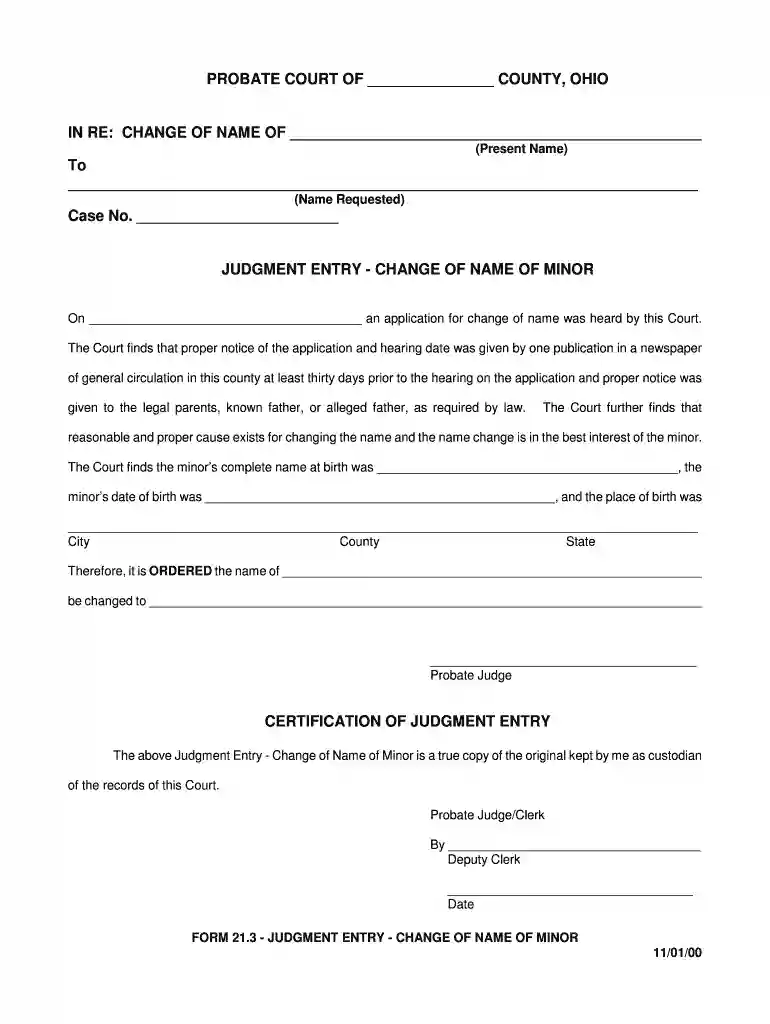
Type text, add images, blackout confidential details, add comments, highlights and more.

Draw your signature, type it, upload its image, or use your mobile device as a signature pad.

Send it via email, link, or fax. You can also download it, export it or print it out.
The "loc r 66 15 powers of attorney by guardian prohibited" refers to a regulation that restricts the authority of a guardian to execute a power of attorney on behalf of their ward. This rule is crucial as it ensures that the guardian cannot make certain legal decisions for the ward that could affect their financial or personal affairs without court approval. The regulation helps protect the ward’s interests by preventing any potential misuse of power by the guardian.
Several critical elements define this regulation:
This rule is applied within the legal framework of guardianship, where guardians are legally appointed to care for another individual deemed incapable of managing their own affairs. The regulation prevents guardians from delegating their responsibilities or authority without court intervention, ensuring that all actions taken are in the ward's best interest.
To ensure compliance with "loc r 66 15 powers of attorney by guardian prohibited," guardians should:
Consider scenarios like financial management or medical decisions, where the guardian might feel a power of attorney is necessary:
While "loc r 66 15" is referenced generally, specific applications can vary by state, taking into account local laws and governance structures:
The regulation primarily concerns:
Understanding related legal terms helps clarify this regulation:
To ensure compliance:
A thorough understanding of "loc r 66 15" and its application can help protect a ward's interests, ensuring guardians act within legal boundaries to provide care and decision-making where truly needed.
We've got more versions of the loc r 66 15 powers of attorney by guardian prohibited form. Select the right loc r 66 15 powers of attorney by guardian prohibited version from the list and start editing it straight away!
At DocHub, your data security is our priority. We follow HIPAA, SOC2, GDPR, and other standards, so you can work on your documents with confidence.
In exercise of the powers under section 23 of the Contempt of Courts Act,. 1971, read with article 145 of the Constitution of India and all other powers
Rule 66.15 POWERS OF ATTORNEY BY GUARDIAN PROHIBITED. The Court, through this Local Rule, exercises its discretion under R.C.. 2111.50(A)(2)(c) and hereby
by ED Spurgeon Cited by 24 Once a principal lost competence, no one could legally transact business in the principals stead unless appointed the guardian or conservator through judicial


