




01. Edit your form online
Type text, add images, blackout confidential details, add comments, highlights and more.

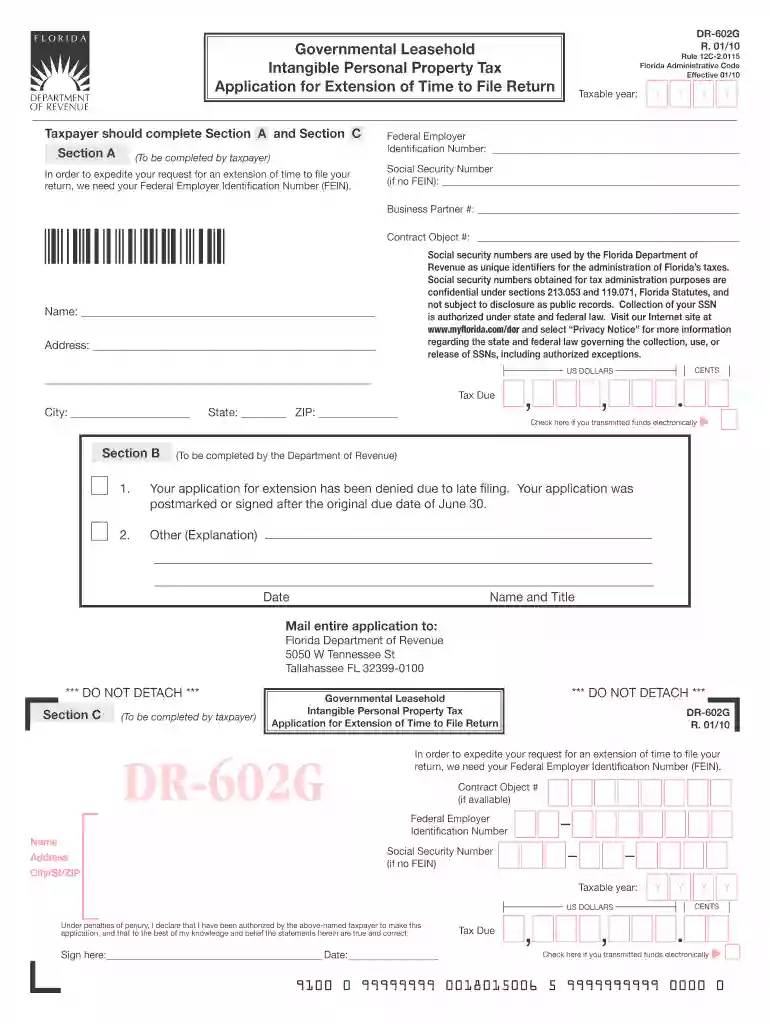
Type text, add images, blackout confidential details, add comments, highlights and more.

Draw your signature, type it, upload its image, or use your mobile device as a signature pad.

Send it via email, link, or fax. You can also download it, export it or print it out.
The "XML - US Government Publishing Office" refers to the structured markup language format used by the U.S. Government Publishing Office (GPO) for creating, storing, and disseminating government documents. XML (eXtensible Markup Language) provides a flexible, platform-independent way to create interoperability between various systems, ensuring that government documents are accessible and easy to manage. This format enhances the consistency and longevity of documents, allowing them to remain usable across diverse platforms and technologies.
XML facilitates the organization of documents by defining specific rules and structures for data encoding, which is crucial for maintaining the integrity of government publications. This standardization allows for seamless data exchange and accessibility, making government information transparent and open for public use. Moreover, it ensures that government documents are searchable and easily retrievable, promoting efficient document management and dissemination practices.
The XML format utilized by the US Government Publishing Office includes several critical elements that ensure the uniformity and usability of government documents:
Data Structure: XML provides a hierarchical data structure, allowing documents to be broken down into discrete data elements. This organization aids in categorizing and separating content for better management and retrieval.
Schema Definition: XML uses schema languages like XSD (XML Schema Definition) to define the structure and data types for documents. This ensures consistency across different documents and facilitates validation processes.
Document Metadata: XML allows for embedding metadata, which provides additional information about documents, such as author, creation date, and subject matter. This enhances document classification and searchability.
Interoperability: The format ensures that documents can be shared and utilized across different systems without requiring conversion, thus maintaining data accuracy and coherence.
Using XML documentation from the US Government Publishing Office involves several steps:
Download the XML File: Access the document from the GPO's website or database, ensuring you select the latest version that fits your needs.
Open and View the Document: Use an XML-compatible reader or editor such as Notepad++ or Sublime Text, which supports XML syntax highlighting and formatting for more straightforward reading and editing.
Validate the XML Structure: Use an XML schema validator to ensure that the document follows the required data structure and rules. This step is critical for maintaining data integrity and ensures compatibility with other systems.
Edit or Analyze Content: If modifications or analysis are needed, employ XML editors that provide tools for editing and exploring the data structure, allowing you to manipulate content without altering the fundamental organization.
Save and Share: Once your tasks are completed, save the modified document while ensuring it retains its XML format. The document can now be distributed or integrated into other applications.
The process of working with XML documents from the US Government Publishing Office involves detailed attention to structure and compliance:
Understanding XML Basics: Familiarize yourself with XML syntax, including tags, attributes, and nesting. This understanding is crucial for navigating and interpreting XML documents.
Utilizing XML Tools: Choose appropriate tools, like XML Spy or Oxygen XML Editor, for viewing, modifying, and validating XML files, as they provide comprehensive features specifically for handling XML content.
Schema Validation: Always run XML schema validation to ensure that the document adheres to defined structures and rules applicable to US Government documents.
Integration with Systems: If the XML document is part of a larger data workflow, ensure it is correctly integrated into your document management system for seamless processing and management.
Document Publishing and Sharing: Once finalized, publish the document following GPO standards to ensure it meets the necessary public accessibility and document integrity criteria.
Utilizing XML documents from the US Government Publishing Office comes with specific legal considerations:
Public Domain: Most government documents are in the public domain, allowing for free use, distribution, and reproduction. However, users must verify that there are no specific restrictions or classifications pertaining to sensitive government data.
Privacy and Data Protection: When handling XML data that contains personal or sensitive information, adhere to relevant privacy laws, such as the Privacy Act, to protect individuals' personal data.
Compliance: Ensure compliance with federal regulations and guidelines related to document handling, especially when amendments or public dissemination of documents are involved.
Permission for Alterations: While XML documents are open for use, alterations for redistributed content may require permissions depending on the data's nature and intended use.
XML documents from the US Government Publishing Office are compatible with a range of software applications designed to handle structured data:
XML Editors: Specialized software like XML Spy and Oxygen XML Editor offer features such as schema validation, syntax highlighting, and robust editing capabilities.
Data Integration Tools: Tools such as Microsoft PowerQuery can import and process XML data, facilitating integration with broader data analysis operations.
Content Management Systems (CMS): Many modern CMS platforms support XML imports, allowing for the seamless inclusion of government documents into web content and publication systems.
Programming Libraries: Languages like Python (with libraries such as ElementTree) and Java provide extensive libraries for parsing and processing XML, facilitating automation and advanced data handling.
Practical applications of XML documents from the US Government Publishing Office include:
Legal Research and Analysis: Lawyers and legal researchers leverage XML-formatted statutes and regulations for comprehensive legal analysis and case preparation.
Academic Reviews: Researchers use XML versions of government reports and publications to conduct data-driven studies and reference authoritative sources.
Policy Making: Policymakers access XML data for informed decision-making, utilizing structured information for drafting and assessing legislative proposals.
Media and Journalism: Reporters use XML documents to verify facts and extract relevant data quickly for journalism pieces that rely on government information.
The US Government Publishing Office offers various methods for individuals to access and submit XML documents:
Online Access: Most XML documents are available for digital access through the GPO's online platforms, facilitating instant retrieval and download.
Email Requests: Specific documents not readily available online may be requested via email directly from relevant GPO contacts or departments.
Physical Access: For those who prefer traditional methods, physical visits to the GPO's publishing offices allow for direct consultations and document access for research or official purposes.
We've got more versions of the XML - US Government Publishing Office form. Select the right XML - US Government Publishing Office version from the list and start editing it straight away!
At DocHub, your data security is our priority. We follow HIPAA, SOC2, GDPR, and other standards, so you can work on your documents with confidence.
GPO makes available a subset of enrolled bills, public and private laws, and the Statutes at Large in Beta United States Legislative Markup (USLM) XML.
Mission, Vision, and Values Awards and Certifications Leadership Organizational Chart History Team Locations Governmental Affairs Publication
Bill files in XML are provided to GPO by the House of Representatives and Senate and are available starting in 2013 with the 113th Congress. Q. How do the bulk


