



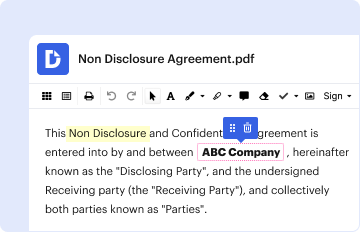
01. Edit your form online
Type text, add images, blackout confidential details, add comments, highlights and more.

Type text, add images, blackout confidential details, add comments, highlights and more.
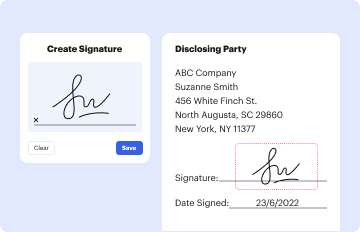
Draw your signature, type it, upload its image, or use your mobile device as a signature pad.

Send it via email, link, or fax. You can also download it, export it or print it out.
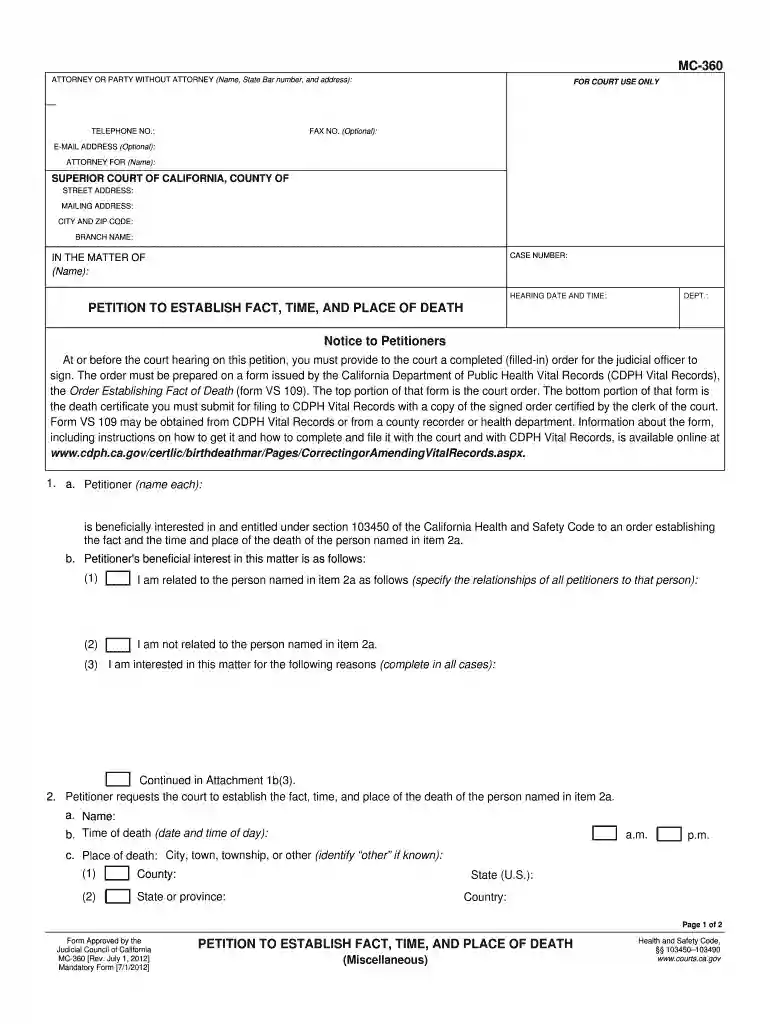
The MC-360 and MC-360A forms are used in the Superior Court of California to establish key facts related to the time and place of death of an individual. These forms assist in legal proceedings by validating the deceased's details through a structured petition process. Petitioners must supply relevant information and meet specific criteria to effectively utilize these forms.
These forms are primarily used in legal contexts to certify an individual's death particulars. The forms require petitioners to provide a completed court order for verification and outline their relationship with the deceased. This detailed information aids the court in recognizing the legitimacy of the claims presented, thus ensuring that all required legal standards are met.
To access the MC-360 and MC-360A forms, individuals can visit the official website of the Superior Court of California or directly contact the court's clerk office. These forms are typically distributed either as downloadable PDFs or physical copies available through court administration. It's essential to ensure the forms are filled with accurate information to avoid procedural delays.
Petitioning with the MC-360 and MC-360A forms serves as an official action to confirm significant details surrounding an individual's demise. This process is often necessary when settling estates or resolving other legal matters affected by the decedent's passing, making these forms a crucial element in probate and related proceedings.
These forms are commonly utilized by family members, legal representatives, and executors of estates who must formalize the circumstances of a person's death. Legal professionals often assist in completing these petitions to ensure compliance with California's court requirements, ensuring all relevant details are accurately documented.


The forms include several fundamental components, such as:
The MC-360 and MC-360A forms must align with California's legal stipulations for documenting death details. The documents must be completed truthfully and submitted according to court timelines and protocols to prevent penalties or legal challenges. Deviations from prescribed formats or failure to meet submission deadlines can result in non-acceptance or additional legal scrutiny.
Imagine a scenario where a family member dies intestate (without a will), and the surviving relatives need to settle the estate. In such cases, the petitioning process using MC-360 and MC-360A forms becomes essential to determine heirs and process the estate. Another example is when discrepancies exist in the initial death record, necessitating a legal review and confirmation via these forms.
While these forms are used under the jurisdiction of the Superior Court of California, specific counties may have additional procedural requirements. It's recommended to check with local court offices for any particular instructions or supplementary paperwork needed to complete the submission process effectively.
We've got more versions of the petitioning with a mc360 and mc 360a form form. Select the right petitioning with a mc360 and mc 360a form version from the list and start editing it straight away!
At DocHub, your data security is our priority. We follow HIPAA, SOC2, GDPR, and other standards, so you can work on your documents with confidence.
form if transferring from another school within the United States. All international students are required to register with the UAB. Student Health Service
Jun 20, 2011 These forms are identical to the revised forms MC-360 and MC-360A, except as necessary to refer to births or marriages and to living persons as


