** Note: Group Life premiums Preview on Page 1

** Note: Group Life premiums 2026

Here's how it works

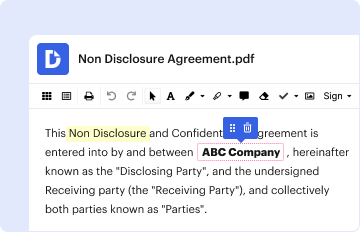
  • 01. Edit your form online

    Type text, add images, blackout confidential details, add comments, highlights and more.

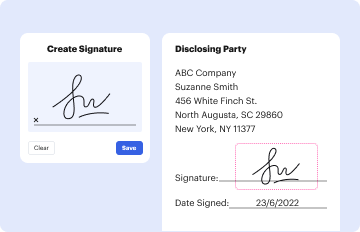
  • 02. Sign it in a few clicks

    Draw your signature, type it, upload its image, or use your mobile device as a signature pad.
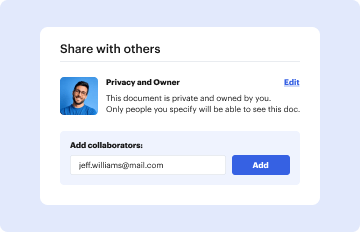
  • 03. Share your form with others

    Send it via email, link, or fax. You can also download it, export it or print it out.

Definition & Meaning

The Note: Group Life premiums form serves as a crucial document in the realm of group life insurance policies. It functions as a notification or record used by insurers and employers to communicate necessary details about premium payments related to group life insurance. Understanding the specifics of this form is essential for employers managing group life insurance coverage for their employees. Essentially, it helps in the administration of premiums by keeping pertinent information centralized and ensuring all parties have access to the necessary data.

How to Use the **Note: Group Life premiums

Employers utilize the **Note: Group Life premiums to facilitate the tracking and management of premium payments. The form typically includes detailed sections for listing each insured employee alongside their corresponding premium amounts. It helps in maintaining an accurate record of payments made to the insurance company. Employers should review the form to confirm that all information is up-to-date and accurate, which is essential for ensuring the continuation of coverage and the correct allocation of funds.

Steps to Complete the **Note: Group Life premiums

  1. Gather Required Information: Collect all necessary details about the employees covered under the group life insurance policy, including their personal information and premium amounts.
  2. Fill Out Employee Details: Enter each employee's name, identification number, and other relevant particulars in the designated sections.
  3. Record Premium Amounts: For each listed employee, accurately specify the applicable premium amount.
  4. Verify Information: Double-check all entered data for accuracy to avoid discrepancies.
  5. Submit the Form: Once completed, submit the form to the insurance company through the prescribed method, which may vary depending on the company's policies.

Required Documents

To fill out the **Note: Group Life premiums effectively, specific documents are necessary. Employers should have easy access to:

  • Employee identification and insurance enrollment records.
  • Previous premium payment records.
  • Correspondence from the insurance provider regarding premium rates and due dates. These documents ensure the employer can accurately complete the form, reflecting current coverage and premium details.

Legal Use of the **Note: Group Life premiums

The form is used following legal guidelines regarding group life insurance administration. Employers must handle the form in compliance with state and federal regulations governing employee information and insurance practices. Proper use is essential to avoid legal complications and ensure employees' continued life insurance coverage. Any breach of compliance might result in penalties or loss of group coverage, making adherence to legal standards crucial.

Filing Deadlines and Important Dates

The **Note: Group Life premiums must be submitted in adherence to specific deadlines to maintain uninterrupted insurance coverage. Insurance companies usually outline these deadlines in policy agreements:

  • Monthly or quarterly filing schedules may apply.
  • Stick to these timelines to avoid lapses in coverage, which can affect employees’ benefits.
  • Note any special deadlines for premium adjustments due to employee changes or policy updates.

Important Terms Related to **Note: Group Life premiums

Familiarize yourself with key terms such as:

  • Premium: the amount paid for insurance coverage.
  • Policyholder: the entity that owns the life insurance policy, typically the employer.
  • Beneficiary: the person designated to receive the benefits under the policy. Understanding these terms is vital for accurately completing and using the form.

Examples of Using the **Note: Group Life premiums

Consider a mid-sized company that regularly updates its **Note: Group Life premiums to reflect employee turnovers and salary changes, impacting insurance rates. By maintaining an accurate form, the company ensures up-to-date premium payments, thereby securing continuous employee coverage. This example underscores the form's role in facilitating smooth insurance management and preventing coverage interruptions.

Who Issues the Form

Insurance companies typically issue the **Note: Group Life premiums form. These companies provide employers with guidelines on how to complete and submit the form properly. In some cases, third-party administrators involved in managing group benefits may also handle form issuance, thus streamlining the process for larger organizations with complex insurance policies.

See more ** Note: Group Life premiums versions

We've got more versions of the ** Note: Group Life premiums form. Select the right ** Note: Group Life premiums version from the list and start editing it straight away!

VersionsForm popularityFillable & printable
20184.8 Satisfied (31 Votes)
20164.3 Satisfied (43 Votes)
20143.9 Satisfied (40 Votes)

be ready to get more

Complete this form in 5 minutes or less

Got questions?

We have answers to the most popular questions from our customers. If you can't find an answer to your question, please contact us.

The standard amount of coverage is usually tied to the covered employees annual salary, with premiums primarily based on the insureds age. Employers typically pay most or all of the premiums for basic coverage.
Group term life is often a part of employee benefits packages, and there are a number of payment options employers can use. Typically, an employer pays most, if not all, of the premiums, but the employer can also split the cost with employees, or even make it 100% voluntary (paid by employees) to offset costs.
Group insurance is a type of insurance policy that covers a group of people under a single plan. Its typically offered by employers or organisations to their employees or members at a reduced cost. As the risk is spread across all members, it commands lower premiums compared to individual insurance plans.
Group-term Life (GTL) insurance plans are a popular benefit provided or offered by a vast majority of employers1 to their full-time employees. GTL provides income and asset protection to a covered employees survivors in the event of the death of the employee during the years the insured is actively employed.
In contrast, the premium cost in a group health plan is shared between the employee and employer. Because group health insurance covers many people rather than a single individual, an employer has some negotiating power regarding premiums and benefits.

Security and compliance

At DocHub, your data security is our priority. We follow HIPAA, SOC2, GDPR, and other standards, so you can work on your documents with confidence.

People also ask

The cost of employer-provided group-term life insurance on the life of an employees spouse or dependent, paid by the employer, is not taxable to the employee if the face amount of the coverage does not exceed $2,000. This coverage is excluded as a de minimis fringe benefit.

Related links

Group Term Life Insurance - Active Employee

The dependent voluntary GTL premium provides coverage of $10,000 for each eligible dependent regardless of how many dependents are covered. Employee Voluntary

Learn more
Federal Employees Group Life Insurance

This means the Basic premium rate is the same for each enrollee in the group policy, regardless of age or health status.

Learn more
2020 Benefits Summary

Dec 31, 2020 Gentex Corporation provides all eligible team members with a Basic Life and Accidental Death and Dismemberment (ADD) insurance benefit.

Learn more
If you believe that this page should be taken down, please follow our DMCA take down process here